Many people overlook the key differences between types of dureup (Korean asparagus), but understanding these distinctions is crucial for enjoying this spring delicacy. The three main varieties—Cham-dureup, Gae-dureup, and Ttang-dureup—each offer unique harvesting times, flavors, aromas, and textures. Choosing the right dureup can significantly elevate your spring dining experience.
What Are the Differences Between Cham-dureup, Gae-dureup, and Ttang-dureup?
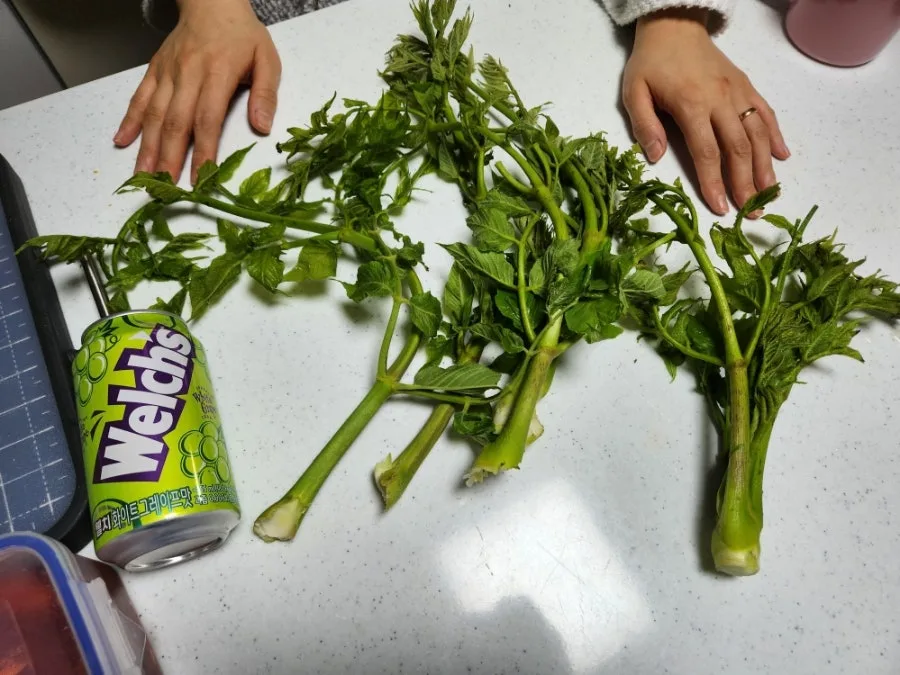
In Korea, the edible shoots commonly referred to as dureup fall into three primary categories: Cham-dureup, Gae-dureup, and Ttang-dureup. Knowing their individual characteristics helps you select the best one for your palate. Cham-dureup, often considered the quintessential dureup, comes from the tips of the Aralia elata tree, offering a subtle bitterness and a distinct, pleasant aroma. Gae-dureup, derived from the Kalopanax pictus tree (also known as castor aralia), has a more potent fragrance and a stronger bitter taste, making it a favorite among those who appreciate intense flavors and its perceived health benefits. Ttang-dureup, or groundsel tree shoots, are actually the young sprouts of a ground-dwelling plant, not a tree, and are prized for their crisp texture and fresh, mild scent. Each type boasts its own unique charm, allowing for personal preference to guide your choice.
When Are Each Dureup Harvested, and How Do Their Flavors Differ?
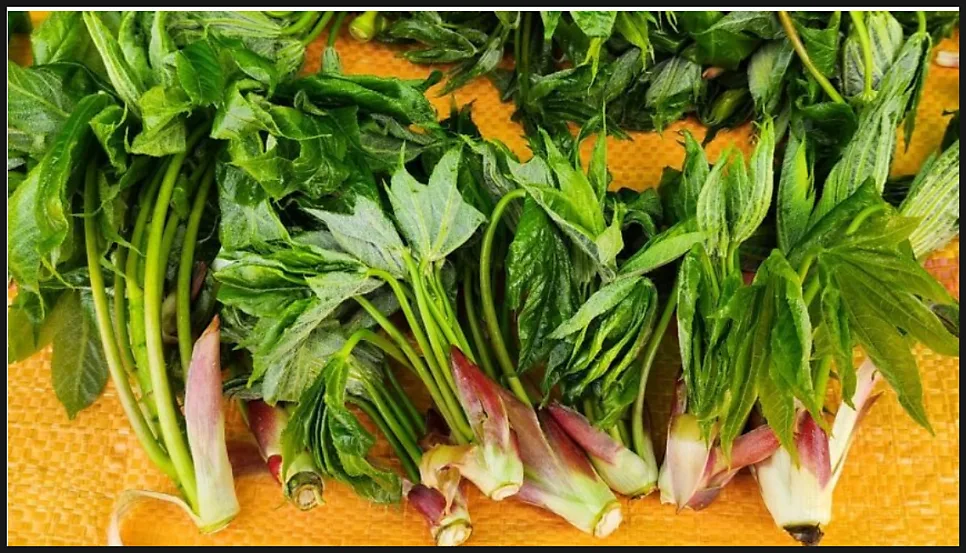
Cham-dureup is typically harvested from early April to early May. Its plump, tender shoots offer a delicate bitterness and a unique aroma, with both wild and cultivated varieties available. Gae-dureup is harvested around the same time as Cham-dureup, or slightly later. It's known for its significantly stronger scent and more pronounced bitterness compared to Cham-dureup, making it particularly popular in regions like Gangwon-do. Ttang-dureup sprouts emerge from the ground in April and May. These shoots are characterized by their satisfying crunch and a fresher, milder fragrance. They are versatile in cooking, lending themselves well to tempura, stir-fries, and savory pancakes. Importantly, all types of dureup contain trace amounts of natural toxins and should be blanched in boiling water before consumption to ensure safety and enhance their flavor and aroma.
What Precautions Should Be Taken When Cooking Dureup, and How Can They Be Safely Consumed?
While prized as the 'King of Mountain Vegetables' for their rich nutrients, all dureup varieties contain mild natural toxins. Therefore, a crucial step before eating is to blanch them in boiling water to neutralize these compounds. This process not only ensures safety but also mellows the characteristic bitterness, bringing out the full flavor and aroma of the shoots. For Cham-dureup, be mindful of the small thorns on the stems, which require careful handling during preparation. Gae-dureup's intense flavor and bitterness might be too strong for some; if you're sensitive to bitterness, starting with Cham-dureup or Ttang-dureup is advisable. Ttang-dureup's crisp texture makes it excellent for frying or making savory pancakes, but like the others, it must be blanched first for safe consumption.
Should I Choose Ttang-dureup, Cham-dureup, or Gae-dureup?
The best dureup for you depends on your personal taste preferences and intended culinary use. If you enjoy a subtle bitterness and a unique, mild aroma, the widely popular Cham-dureup is an excellent choice, often prepared as a simple seasoned side dish (namul). For those who appreciate a robust, pungent flavor and a more intense bitter note, perhaps with an eye toward traditional health benefits, Gae-dureup is the way to go. If you're looking for a crisp texture that works well in various dishes like tempura or savory pancakes, Ttang-dureup is the ideal selection. While many people begin their dureup journey with Cham-dureup, exploring Gae-dureup and Ttang-dureup can reveal the full spectrum of this fascinating spring vegetable's appeal. Consider your palate and cooking style to pick the perfect dureup.
For more details, check the original source below.