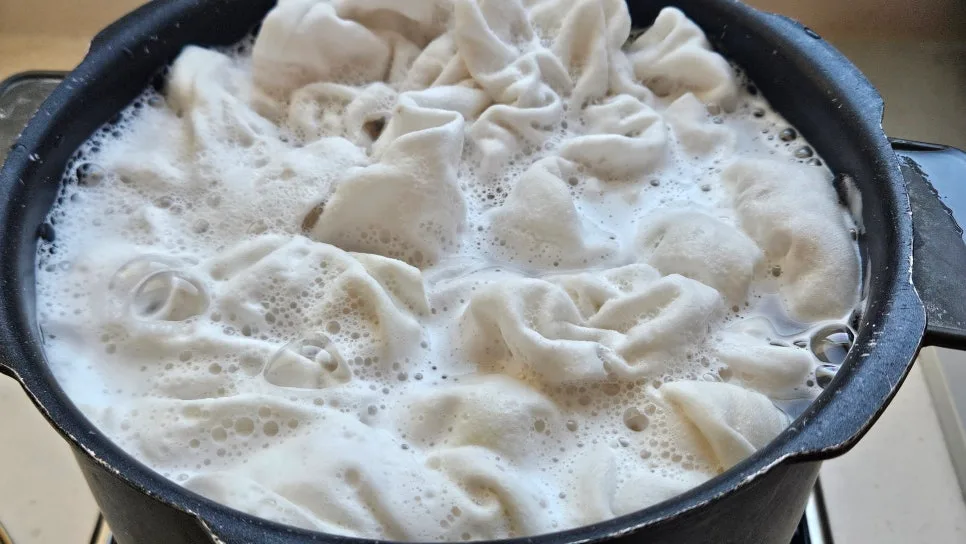
As an experienced user of Korean cotton cloths (sochang haengju), I'm sharing my secrets for making them last for years, looking like new after every wash. With consistent care, these eco-friendly kitchen essentials can be used semi-permanently.
How Long Can You Use Korean Cotton Cloths?
With proper care, Korean cotton cloths can last for years. I've been using the same ones for several years, washing them about once or twice a month. Even when stained with kimchi juice or food scraps, they return to a pristine white after boiling. Most stains are removed in the boiling process, making them usable like new. While faint marks might be visible upon close inspection, they don't affect functionality. You'll likely replace them due to wear and tear rather than stains, making them an incredibly durable kitchen staple. The initial preparation can be a bit involved, but the payoff is a semi-permanent kitchen cloth.
How Often Should You Wash Korean Cotton Cloths?
The frequency of washing depends on your usage and how soiled the cloths get. I prefer to wash them in batches rather than immediately after each use. Typically, washing them once or twice a month is sufficient for me. Even if they look quite dirty beforehand, they become surprisingly clean after boiling, ensuring hygienic use. The boiling process effectively removes deeply ingrained dirt, preparing them for reuse. Air-drying them in the sun afterward is even better.
Why Bother with Korean Cotton Cloths?
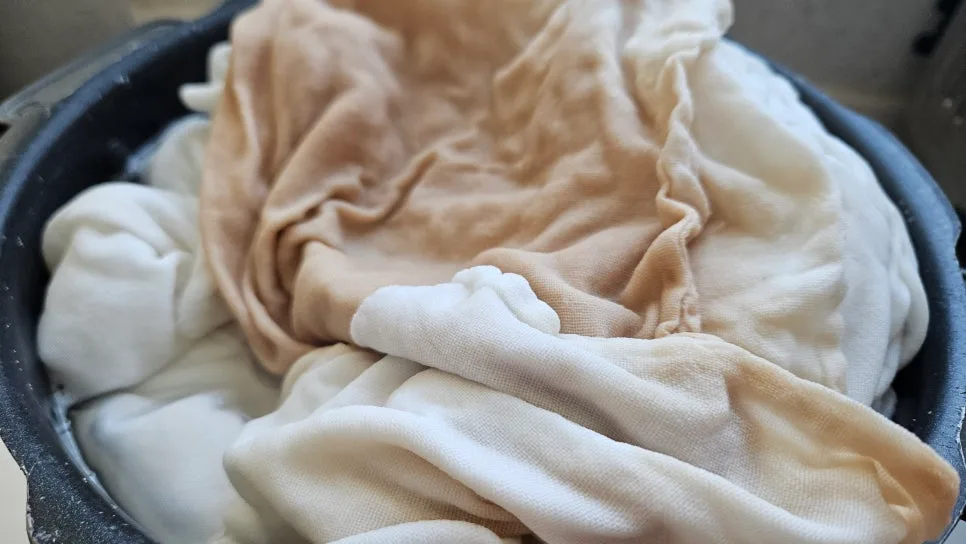
In today's world, where disposable cloths and wet wipes are common, it's understandable to question the effort of boiling cotton cloths. Convenience is king, after all. When I first started making my own cotton cloths from raw fabric, I wondered how long they'd truly last and if the process was sustainable. However, after years of personal use, I've found that the value of these cloths, despite the extra effort, is undeniable. What began as an eco-friendly, zero-waste practice has also proven to be economically beneficial.
Korean Cotton Cloth Care: Prepping and Washing Tips
It's crucial to properly prepare your Korean cotton cloths before the first use. This 'pre-boiling' or 'refining' process removes impurities from the fabric and enhances absorbency. Typically, this involves boiling the fabric multiple times in water with rice bran water, baking soda, or a mild detergent. After refining, rinse thoroughly with clean water to remove any residual cleaning agents. For daily use, it's best to rinse off any immediate stains with cold water and then collect them for a batch boil. Adding oxygen-based bleach (like OxiClean) or baking soda during the boiling cycle can help remove stubborn stains more effectively. However, avoid harsh chemicals or bleach, as they can damage the fabric. Always ensure the cloths are completely dry in a well-ventilated area after washing to prevent mold and bacteria growth.
Pros and Cons of Using Korean Cotton Cloths
The primary advantage of Korean cotton cloths is their exceptional durability and semi-permanent usability. With proper care, they can last for years, saving you money on disposable alternatives. Made from natural materials, they are eco-friendly and become more hygienic with each boil. However, there are drawbacks. The initial preparation process of refining the raw fabric and sewing the cloths can be time-consuming. They are also prone to immediate staining from food or sauces, requiring regular boiling to maintain cleanliness. These factors might lead some to question the necessity of using them. Yet, for many, the benefits of sustainability, cost savings, and superior hygiene outweigh the initial effort.
For more details, check the original source below.