Braised flatfish (Gajami Jorim) is a quick Korean dish, ready in under 20 minutes, that perfectly balances fresh fish with a savory, umami-rich sauce, making it a true rice thief. This guide reveals the secrets to a foolproof recipe, perfect even for beginner cooks.
What Ingredients Do You Need for Korean Braised Flatfish?
To make delicious Gajami Jorim, starting with fresh ingredients is key. You'll need about 4 medium-sized flatfish (gajami), ideally not too large so they absorb the sauce well. For aromatics and flavor, prepare 1 medium onion and 1/2 a large leek. The savory sauce base includes 2 tablespoons of minced garlic, 1/2 tablespoon of gochugaru (Korean chili flakes), 1 teaspoon of ginger powder, 1 tablespoon of salt, and a pinch of black pepper. To add depth and umami without relying on MSG, use 200ml (about 7 oz) of dashima (kelp) broth. Using dashima broth provides a clean, deep flavor that's also healthier than using artificial seasonings.
How to Make Delicious Korean Braised Flatfish
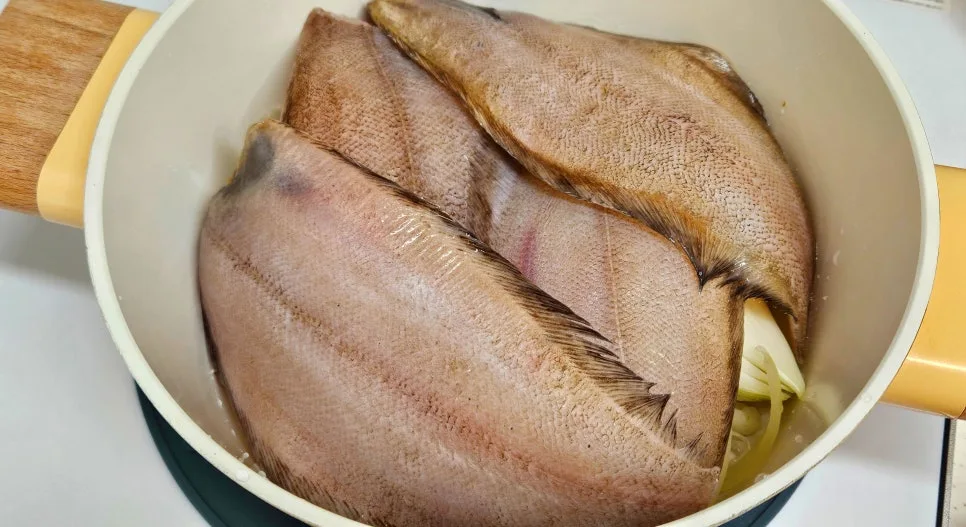
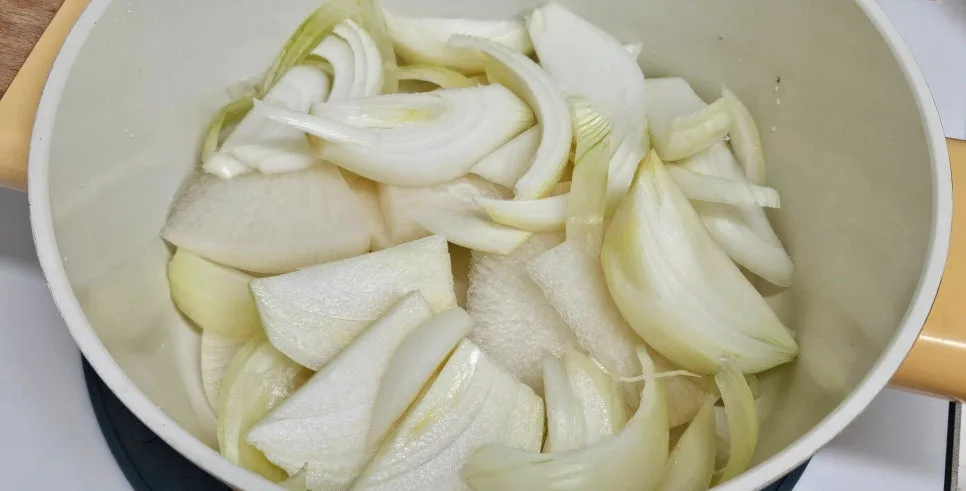
Making Gajami Jorim is surprisingly straightforward. Begin by thoroughly rinsing the flatfish. In a pot or deep pan, create a base layer with thick slices of onion. Arrange the prepared flatfish on top of the onions. Pour the pre-made sauce evenly over the fish, ensuring it coats them well for maximum flavor absorption. Next, carefully add the 200ml (about 7 oz) of dashima broth around the edges of the pot. Bring the mixture to a simmer over medium heat. During the cooking process, which takes about 15-20 minutes, lift the lid periodically and spoon the simmering sauce back over the fish. This basting technique ensures the flavors penetrate deeply, resulting in a perfectly seasoned dish.
What Should You Watch Out For When Making Braised Flatfish?
When preparing Gajami Jorim, keep a few points in mind. Firstly, avoid overcooking the fish, as it can cause the delicate flatfish to break apart. Aim for a cooking time of around 15-20 minutes over medium heat; this can vary slightly depending on the size of the fish and the intensity of your stove. Secondly, adjust the seasoning carefully. The amount of salt can be modified based on the natural saltiness of the fish and your personal preference, so start with less and add more if needed. While dashima broth offers a clean taste, you can substitute it with anchovy broth or rice water for a different flavor profile. For those who enjoy a bit of heat, adding a chopped Korean green chili pepper (like a Cheongyang pepper) can provide a pleasant spicy kick.
Can This Korean Braised Fish Recipe Be Used for Other Fish?
Absolutely! The fundamental recipe for Gajami Jorim can be adapted for various other firm-fleshed fish. Excellent alternatives include cod (kodari), pollack (dongtae), or yellow croaker (imyeonsu-eo), which have a less pronounced fishy odor. However, remember that different fish have varying cooking times, so you'll need to adjust accordingly. Firmer fish like cod may require a slightly longer cooking duration to ensure they are tender throughout. For fish with higher oil content, such as mackerel, you might consider using less oil during cooking or skimming off excess oil afterward for a lighter dish. If you're particularly sensitive to fishy smells, adding a splash of mirin or cooking sake during the simmering process can help neutralize any unwanted odors.
Discover more tips for making perfect braised flatfish.