Want to make a clear, refreshing Korean Beef Radish Soup (Sogogi Muguk) at home in 2026? This guide shares foolproof secrets based on real cooking experience, making it easy for beginners to achieve a delicious, balanced soup with tender beef and crisp radish.
How to Make Korean Beef Radish Soup Like a Pro
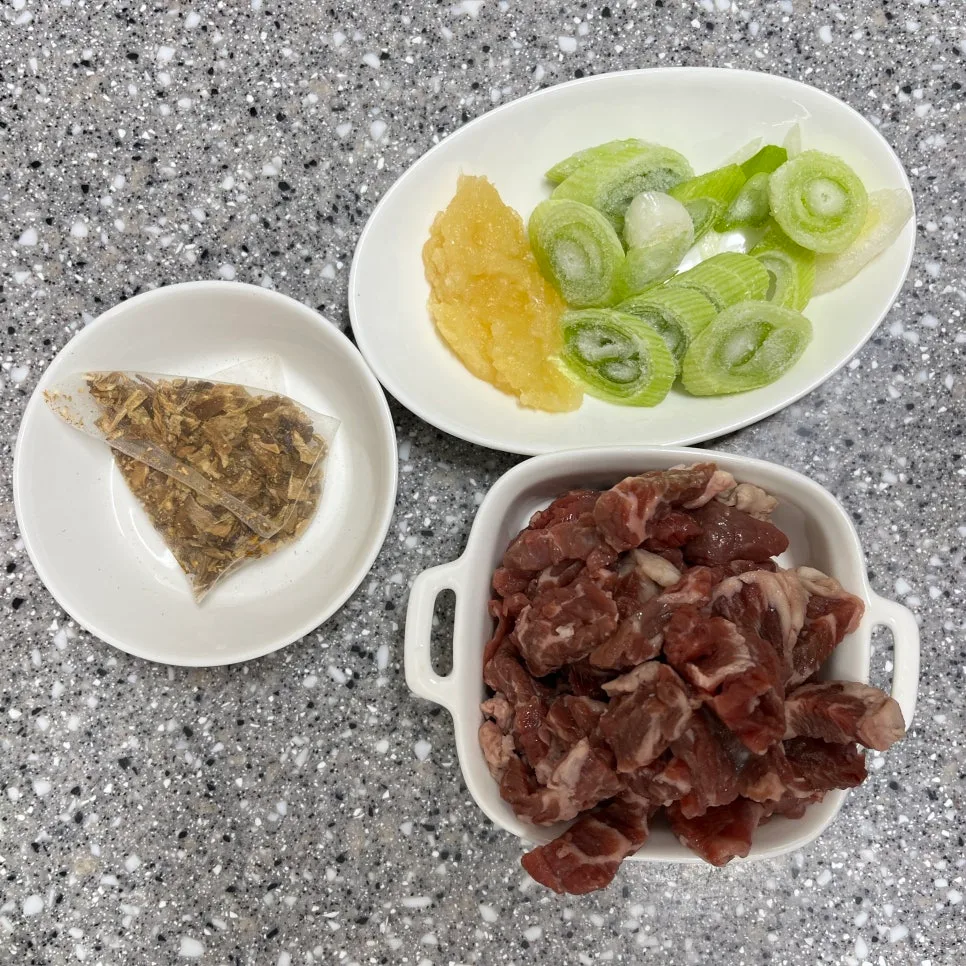
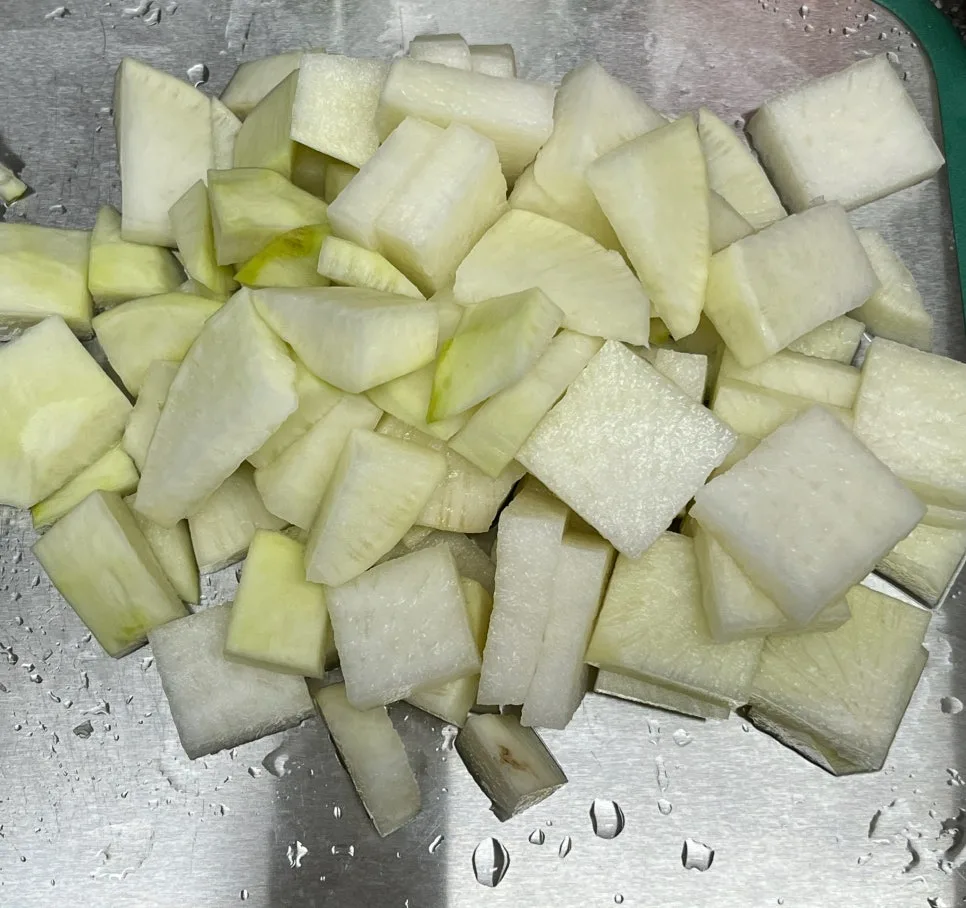
I decided to try making Korean Beef Radish Soup using ingredients I already had. Despite being a beginner, I found it surprisingly manageable by focusing on a few key steps. I started with 300g (about 0.66 lbs) of beef sirloin, a handful of green onions, 2 tablespoons of minced garlic, 1/3 of a Korean radish (mu), 2 teaspoons of salt, and pepper. I even used leftover radish from making kimchi, reducing food waste. A crucial step that adds depth to the broth is searing the beef in perilla oil first. After the beef turned brown, I added 1 tablespoon of soup soy sauce (guk-ganjang). While regular soy sauce (jin-ganjang) can be used, it might make the broth cloudy, so be mindful of this. Using the right type of soy sauce is key to maintaining a clear broth.
Secrets to a Clear Korean Beef Radish Broth
For a clear broth, I opted for a vegetable broth tea bag. I boiled it with 600ml (about 2.5 cups) of water for 5 minutes, but the resulting broth was darker than expected, which is the second common reason for a cloudy soup. If you're aiming for a light-colored soup, carefully select your broth ingredients. I found that adding water in 200ml (about 0.85 cups) increments while boiling enhances the soup's flavor. After simmering for 20 minutes, I added minced garlic and green onions, continuing to cook for another 10 minutes. A clear broth is essential for the authentic visual appeal of Sogogi Muguk.
The Best Way to Season Korean Beef Radish Soup
Once the broth had simmered, I skimmed off any foam and impurities. Then, I seasoned it with 2 teaspoons of salt and pepper. After simmering for 30 minutes, the soup had the characteristic flavor of beef radish soup, but the vegetable broth made the color too dark, which was a bit disappointing. The radish was tender, and the sirloin was melt-in-your-mouth soft. The soup can feel a bit oily due to the fat from the beef and the broth. Next time, I plan to adjust the ingredient ratios and broth choice to achieve a perfectly clear and delicious soup. If you find the soup too greasy, skimming off the excess oil during cooking is a good strategy.
Common Mistakes When Making Korean Beef Radish Soup
Several common mistakes can lead to a less-than-ideal Korean Beef Radish Soup. Firstly, using regular soy sauce (jin-ganjang) instead of soup soy sauce (guk-ganjang) can result in a cloudy broth. For a clear soup, always opt for guk-ganjang or use jin-ganjang sparingly. Secondly, the choice of broth ingredients matters. Use ingredients that create a light-colored broth, like anchovies or kelp, and avoid dark vegetable broths or doenjang (soybean paste), which can darken the soup. Thirdly, boiling on high heat for too long can reduce the broth and make it too salty or greasy. Simmering gently over medium-low heat allows the flavors to meld properly. Also, adding the radish too early can cause it to become mushy; it's best added after the beef has partially cooked. Adjust seasoning to your taste, but add salt and pepper gradually while tasting.
For more details, check the original source below.