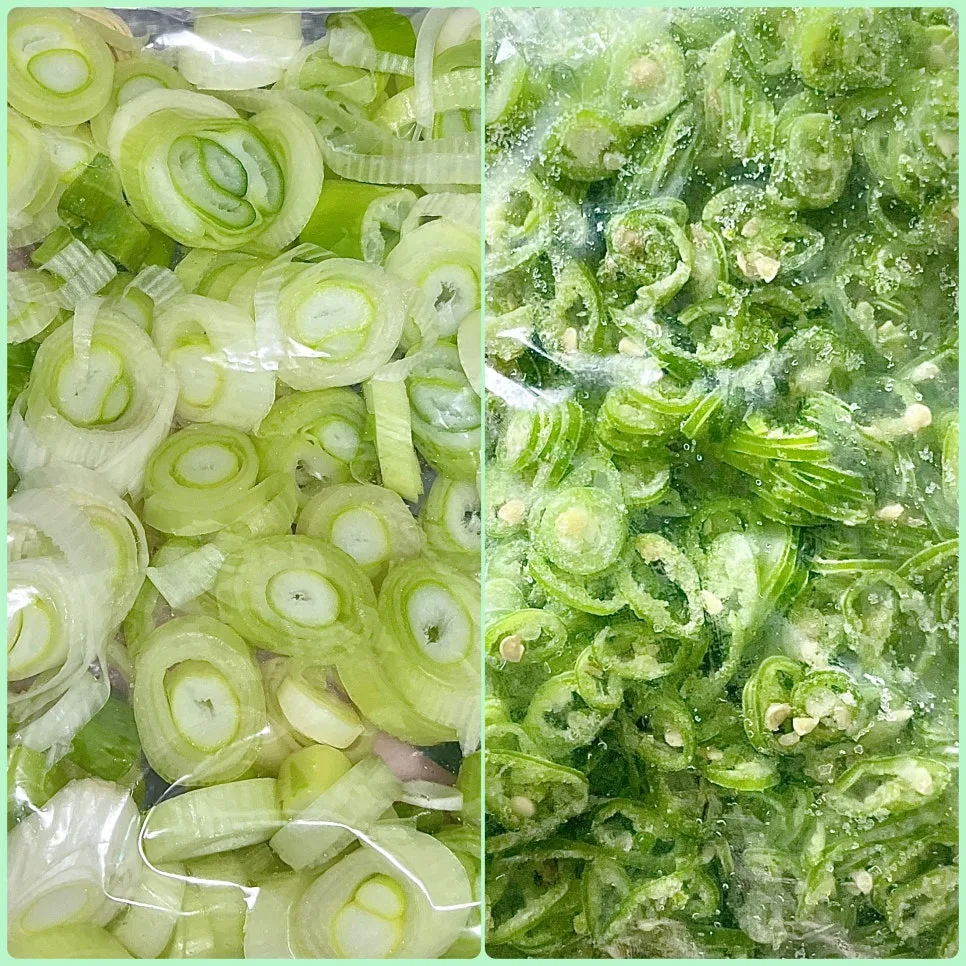
For small households, especially those with 2 people, keeping produce fresh can be a challenge. Scallions (green onions) and Cheongyang chili peppers often go bad before you can use them up. The most economical and convenient solution for 2026 is to properly portion and freeze them. This guide will show you how to minimize food waste and keep your kitchen stocked with fresh-tasting ingredients year-round.
How to Portion and Freeze Scallions (Green Onions)
Buying a whole bunch of scallions at a typical US grocery store or Asian market can feel overwhelming for a two-person household, as they tend to wilt quickly. The best approach is to wash them thoroughly, dry them completely, then chop them into your preferred sizes for cooking. For added convenience, you can separate the white parts from the green tops, as they are often used differently in recipes. Place the portioned scallions into a zip-top bag, expelling as much air as possible before sealing. This method, which I’ve personally found effective, can keep your scallions tasting fresh for at least 1-2 months, ready for immediate use in soups, stir-fries, or as a garnish.
Freezing Cheongyang Chili Peppers: Control the Heat!
Cheongyang chili peppers, known for their intense heat, are another item that can be tricky to manage in smaller households. I recently restocked my freezer after using up my previous batch, which I’d sliced very thinly (under 0.5mm). Even those thin slices packed a punch! This time, I decided to slice them even smaller, roughly half the previous size. While it was a bit challenging to get them that thin without my hands getting irritated by the capsaicin, this finer chop makes them perfect for using like a spice in stews and stir-fries. Crucially, ensure you remove as much moisture as possible before freezing to prevent clumping. This technique is key to maintaining their quality.
Can You Cook Directly with Frozen Scallions and Peppers?
Yes, absolutely! It’s actually recommended to cook frozen scallions and Cheongyang chili peppers directly without thawing. Adding them straight from the freezer to your pan or soup allows them to retain more of their moisture, preserving their texture and flavor. When frozen scallions hit a hot pan or broth, they soften as they cook, infusing the dish with a deeper flavor. Similarly, frozen Cheongyang peppers release their heat gradually, adding a nuanced spice to your cooking. While they can last for a considerable time, it’s best to consume them within 3 months for optimal freshness. As this falls under YMYL (Your Money Your Life) content related to food safety, regularly checking the condition of your frozen ingredients is advised.
Common Mistakes When Freezing Produce
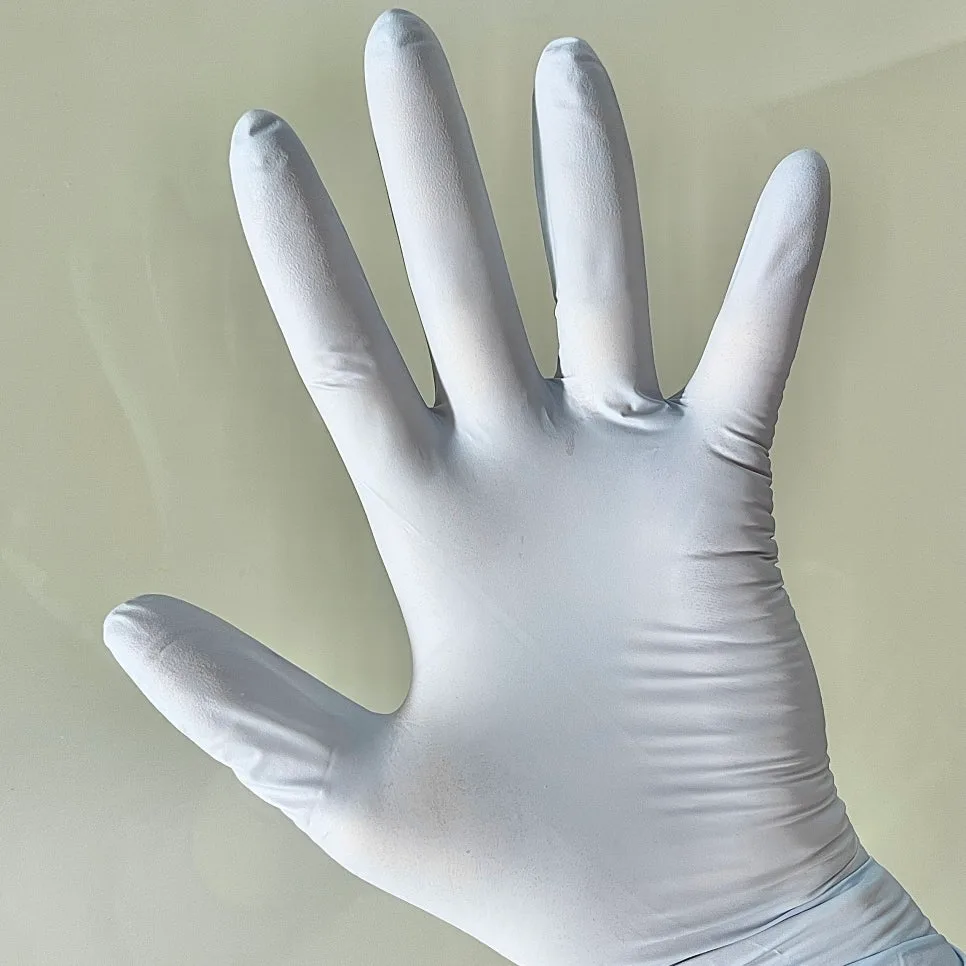
The most frequent mistake people make when freezing produce like scallions and chili peppers is not drying them thoroughly. Excess moisture can cause the pieces to freeze into a solid block, making them mushy upon thawing, or worse, lead to freezer burn and odor absorption. Failing to properly seal your containers or bags, allowing air to get in, also compromises freshness. Always press out as much air as possible from zip-top bags or use airtight containers. I find wearing latex gloves while prepping makes the process less irritating and allows for more meticulous handling. Avoiding these simple pitfalls ensures your frozen ingredients remain high-quality and ready to elevate your meals.
For more details, check the original source below.