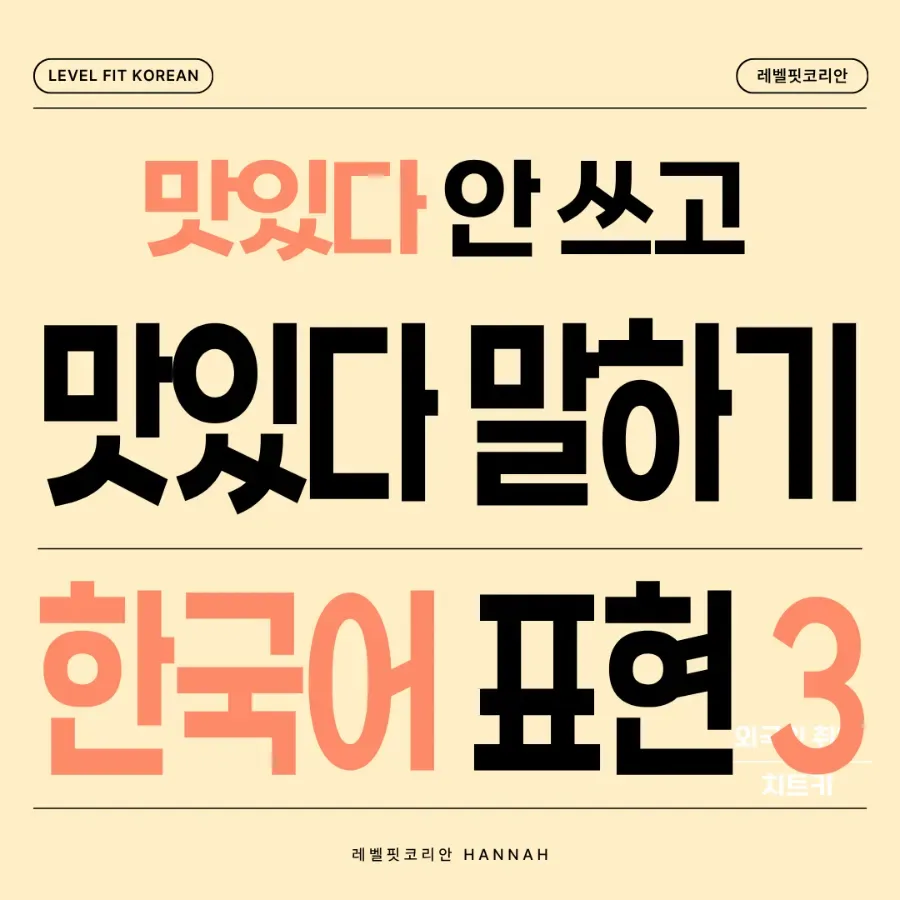
Want to describe food like a true Korean? Learning phrases like 'It melts in my mouth,' 'I devoured it,' and 'It's my jam' will make conversations with Korean friends much more engaging. This guide breaks down three essential Korean food expressions commonly heard in dramas and daily life, complete with real-life examples to help you master them.
How to Say 'It Melts in My Mouth' Like a Native Korean
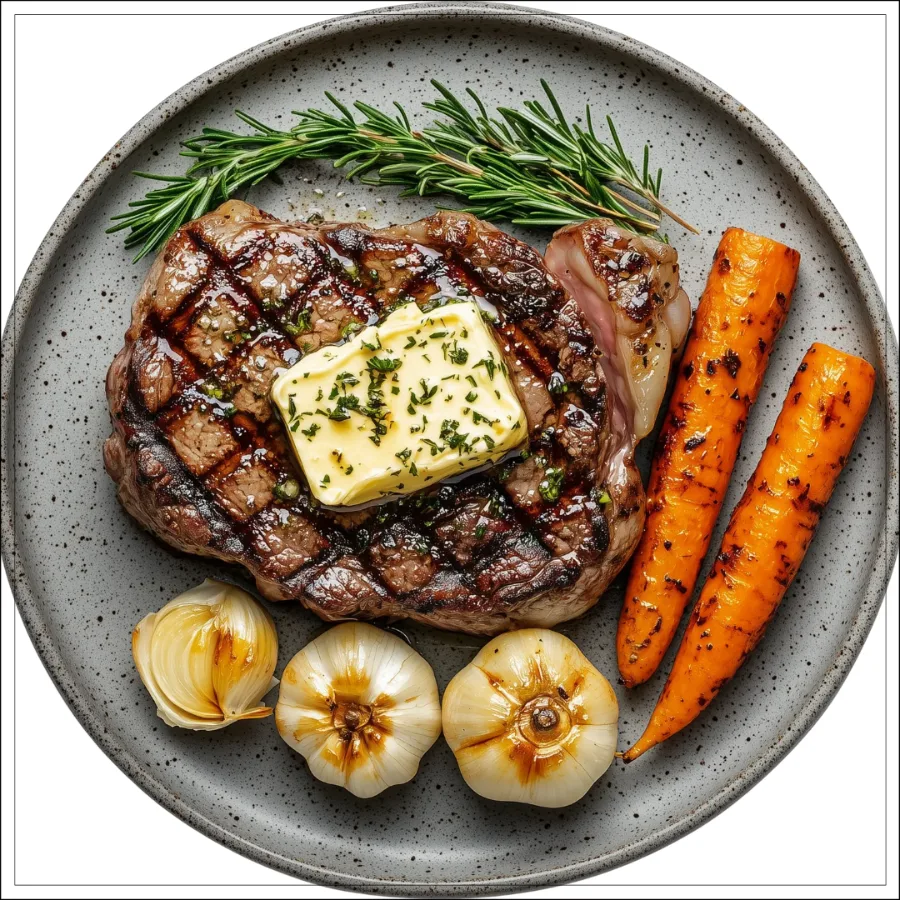
When you want to express the incredible tenderness of food that seems to dissolve in your mouth, Koreans often use the phrase 'ibeseo nogayo' (입에서 녹아요). This directly translates to 'it melts in my mouth,' making it easy for English speakers to grasp. It's perfect for describing succulent, melt-in-your-mouth Korean BBQ cuts like samgyeopsal (pork belly) or tender beef steak, delicate raw fish like salmon, or even smooth desserts like Korean shaved ice (bingsu) or soft cakes. Imagine you're enjoying a fantastic Korean BBQ meal with a friend and the perfectly grilled beef is unbelievably tender. You could say, 'Wow, this beef is amazing. It really melts in your mouth!' (와, 이 소고기 진짜 맛있다. 완전 입에서 녹아요!). This phrase adds a vivid touch to your dining experience, showing you can appreciate the texture and quality of the food.
What Does 'Sun-sak' Mean and When to Use It?
The term 'sun-sak' (순삭) is a popular Korean slang abbreviation for 'sun-sik-gan-e-sak-je' (순식간에 삭제), meaning 'deleted in an instant.' It's used when food is so delicious that you eat it incredibly quickly, almost as if it vanished. This is especially common for highly craveable, quick-to-eat dishes. Think about finishing a plate of spicy tteokbokki (chewy rice cakes) or a bucket of crispy fried chicken in what feels like mere moments because it was just that good. You could exclaim, 'This chicken is so addictive, I finished it in no time! It was a total sun-sak!' (이 치킨 너무 중독적이야, 완전 순삭했어!). It’s a fun, informal way to express extreme satisfaction and speed in eating, often used among friends or in casual settings. For Americans, it's similar to saying 'I devoured it!' or 'It was gone in a flash!'
When Do You Use 'Chwi-hyang Jeok-yeo' (My Taste Buds Are Fired Upon)?
'Chwi-hyang jeok-yeo' (취향 저격), often shortened to 'chwi-jeo' (취저), literally translates to 'taste/preference sniper shot.' It means something perfectly matches your taste or preferences, hitting the bullseye of your desires. While it can apply to food, it's broader than just flavor. You might use it if you discover a new Korean dish that has exactly the flavor profile you love, or even if you find a cozy café with a vibe you adore. For instance, if you try a new Korean snack and it's exactly the sweet and savory combination you've been looking for, you'd say, 'This snack is exactly what I like! It's totally my jam!' (이 과자 완전 내 취향 저격이야!). It's a versatile expression used for anything that perfectly aligns with your personal style, taste, or preferences, from food and drinks to music and fashion.
How to Integrate These Korean Food Expressions into Your Vocabulary
These vibrant Korean food expressions are most effective when used in contexts where they feel natural. They originated and gained popularity among younger Koreans through online communities and social media, eventually making their way into mainstream media like K-dramas and variety shows. Using them when dining with Korean friends, discussing K-food, or even just reacting to scenes in Korean dramas will make your interactions more authentic and enjoyable. For example, after watching a character in a K-drama rave about a dish, you can use the same expression to describe your own food experiences. Practicing these phrases, perhaps by writing down your own sentences about meals you've had, will solidify them in your memory. Try describing your favorite Korean dish using one of these expressions today!