The 2026 standard for espresso extraction has evolved from the old 7g of beans for 30ml of liquid. Today, the focus is on using 18-22g of coffee beans to produce a concentrated 40-50g shot. Measuring by weight, not volume, is now key to achieving consistent flavor.
Why the 7g Espresso Rule is Outdated in 2026
The traditional barista training mantra of '7g of beans for 30ml of espresso' is rarely seen in the specialty coffee world today. Many cafes are now increasing their dose to between 18g and 22g of beans to maximize the delicate and vibrant flavors inherent in the coffee. This shift isn't just about using more beans; it's about extracting a richer, more concentrated flavor profile from that larger dose, reflecting a modern aesthetic in espresso preparation. This evolution is driven by consumer demand for more complex coffee experiences and the growth of specialty coffee culture. Many baristas report that increasing the bean quantity significantly deepens the espresso's concentration and flavor complexity.
Espresso Extraction: Why Measure by 'Weight' Instead of Volume?
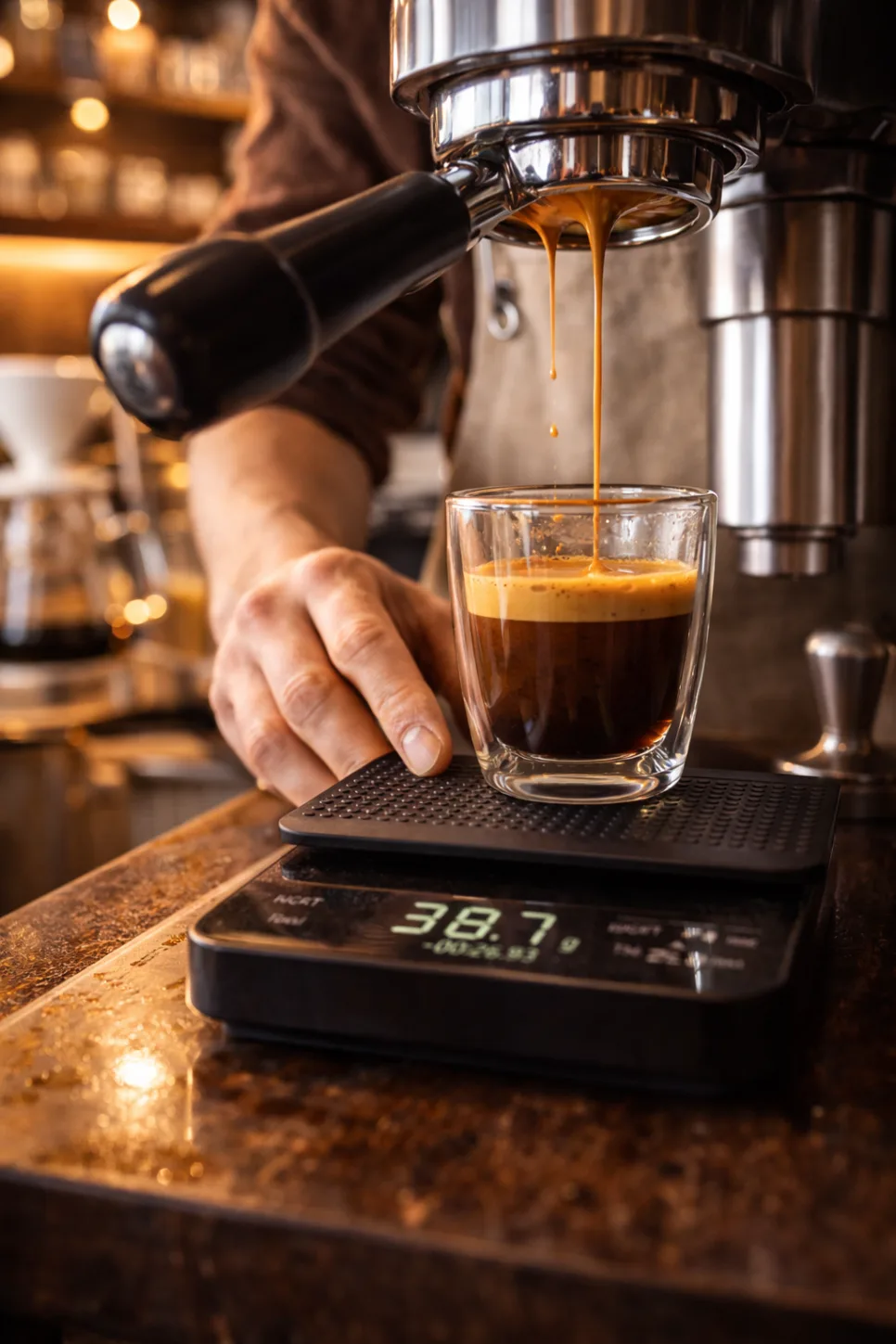
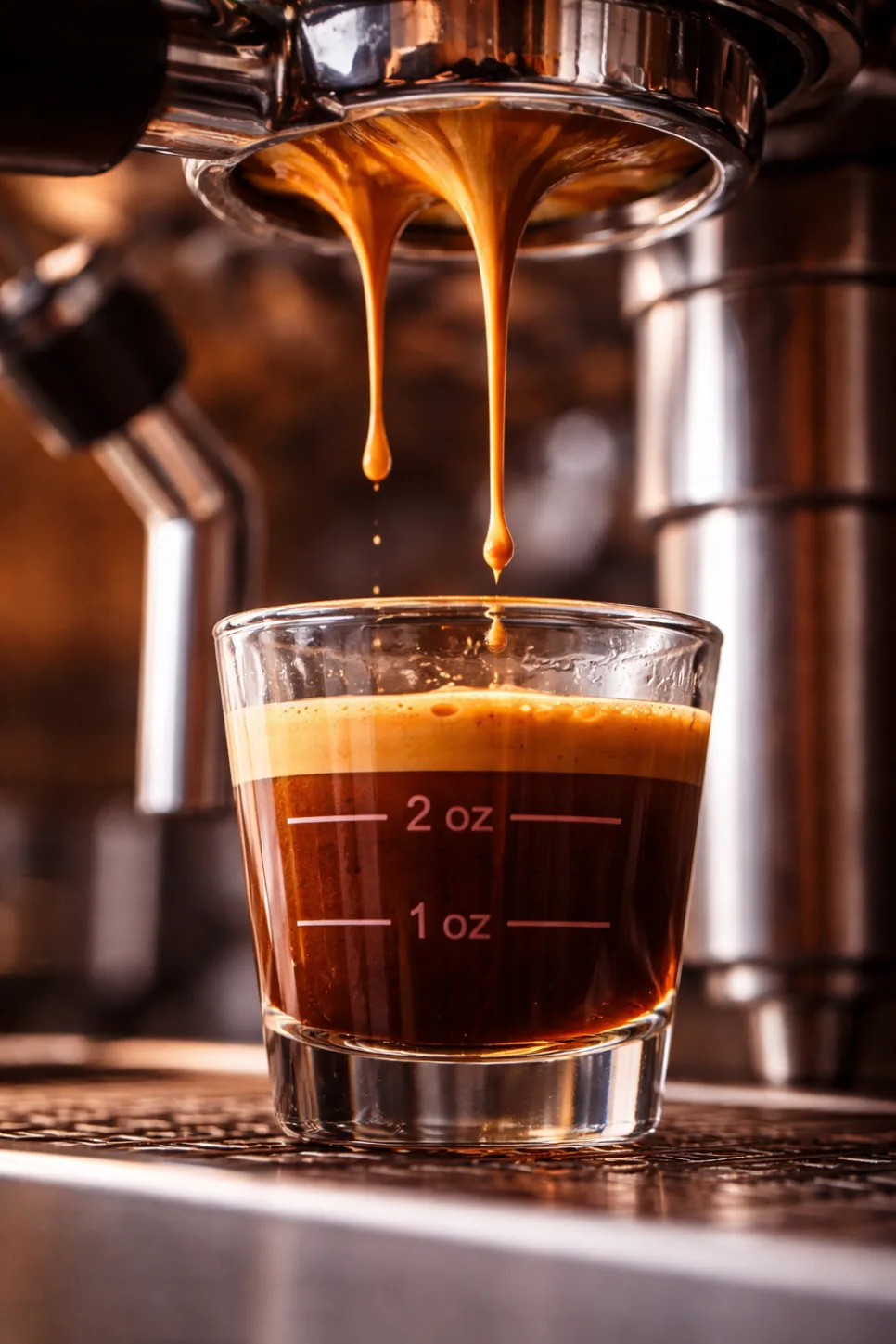
While in the past, baristas might have eyeballed measurements using shot glasses, the current trend heavily favors using a digital scale for 'weight' measurements. This is especially true when using fresh coffee beans, as the crema (the reddish-brown foam on top) can make the volume appear larger than it actually is. For example, if you use 20g of beans, the standard extraction target is around 40g of liquid espresso. By consistently managing the extraction volume based on weight, you can maintain the exact same golden ratio of flavor day after day. This consistency is crucial for cafes serving customers and for home baristas aiming for predictable, high-quality results. Using a precise scale significantly reduces flavor variations and enhances overall satisfaction.
Ristretto, Espresso, Lungo: Differences Based on Extraction Volume
Espresso can be categorized into Ristretto, Espresso, and Lungo based on the volume extracted. Ristretto is the initial, highly concentrated 15-20ml of the shot, emphasizing acidity and sweetness. Standard Espresso aims for a perfect balance, while Lungo is extracted for longer, yielding more volume but potentially increasing bitterness or astringency. While these distinctions are helpful for understanding the basics, the concept of 'Extraction Yield'—the ratio of ground coffee to liquid espresso—is now considered more important. However, knowing these terms is still beneficial for appreciating the nuances of espresso preparation.
Why Cafe Managers 'Dial In' Espresso Machines Daily
Coffee beans are highly sensitive to environmental changes like humidity and temperature, much like living organisms. Even slight variations in daily humidity can significantly alter the taste of the espresso. Many cafes experience this firsthand. The daily process of 'dialing in' involves checking the machine's status and making micro-adjustments to the extraction variables based on the current condition of the beans. This meticulous calibration ensures consistent flavor and allows for the delivery of the best possible espresso shot every time. It's a critical step for maintaining quality and customer satisfaction in a professional coffee setting.
For more details, check the original source below.