Looking for easy Korean home cooking menu ideas? This 2-week meal plan offers practical recipe inspiration to reduce daily side dish stress and enrich your dining table with diverse options, from simple stir-fries to hearty main courses.
Struggling with Korean Side Dish Ideas? Solve It with a 2-Week Meal Plan 2026
Preparing daily side dishes for your family can be a joy, but it can also become a significant burden. Nobody wants the same old dishes every day! That's why I've adopted a strategy of preparing and portioning various side dishes in advance, then freezing them for later. This way, you can enjoy delicious homemade Korean meals even on busy weekdays. In this article, I'll share my recent 2-week record of tasty Korean home-cooked meals and dinner table ideas to help solve your home cooking menu dilemmas. I hope seeing the actual dishes I made will spark new inspiration for you.
What's on the Diverse 2-Week Korean Home Cooking Menu?
Related Articles
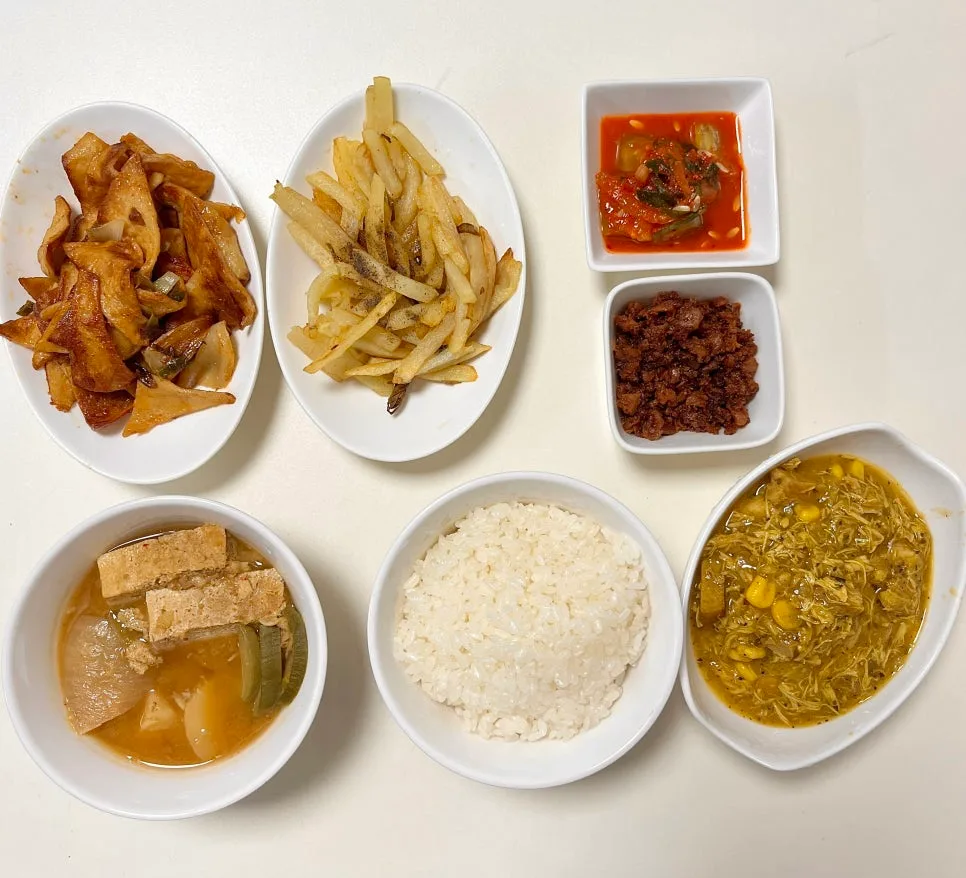
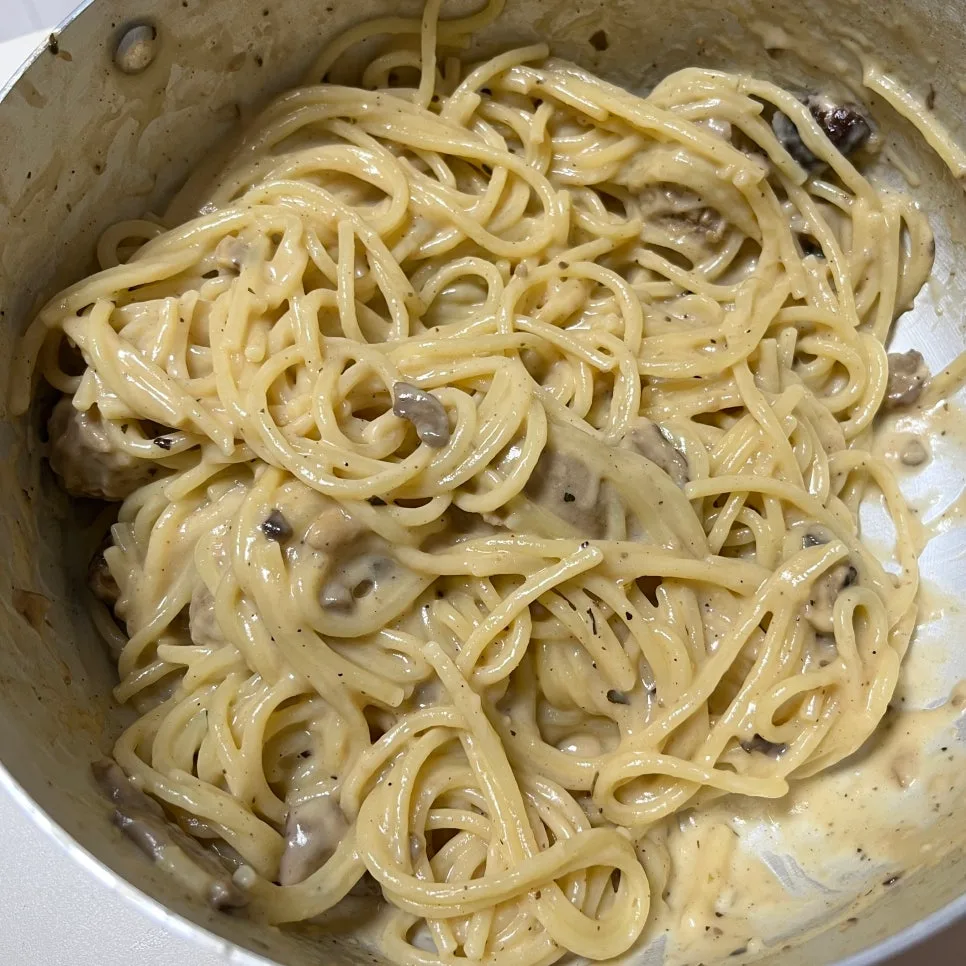
Over the past two weeks, my dinner table featured a truly diverse array of dishes. From hearty main courses to frequently-reached-for side dishes, various combinations added to the enjoyment. For instance, I'd have a meal with tender curry, potato stir-fry, and spicy Spam stew, accompanied by a refreshing soybean paste soup (Doenjang-guk). For a zesty meal, I paired spicy mixed noodles (Bibim-myeon) with a hard-boiled egg and chilled seaweed soup (Miyeok Naengguk). Stir-fried eggplant and kimchi fried rice were also frequent visitors to my table. I also made a soy-braised dish with chicken, konjac, and radish, or a savory seaweed soup (Miyeok-guk) with perilla seeds. Sometimes, I opted for convenience with store-bought cream pasta or buckwheat noodles with perilla oil (Memil Deulgireum Makguksu) for a quick yet delicious meal.
This variety is the secret to keeping home-cooked Korean food exciting.
How to Make Clean and Simple Korean Side Dishes
After enjoying many strongly seasoned dishes for a while, I found myself craving clean and subtly flavored sides seasoned only with salt and pepper. So, I decided to frequently make dishes that highlight the natural taste of the ingredients, like stir-fried shredded potatoes. For example, I simply seasoned chicken with salt and pepper for a clean, grilled flavor. I prepared fish cakes (Odeng) in two ways: stir-fried and deep-fried. Sausage and vegetable stir-fry is a kid-favorite, while the slightly bitter seasoned bellflower root (Doraji Muchim) is a great appetite stimulant. Tuna mayo rice balls or kimchi tuna rice balls are perfect for a simple yet filling meal or lunchbox. Pan-fried tofu (Dubu Buchim) is also a universally loved side, crispy on the outside and soft on the inside.
These simple side dishes serve to enhance the flavors of the main course.
What to Consider When Selecting Korean Home Cooking Menus
When selecting home cooking menus, there are a few key considerations. First, you must take into account the dietary habits and preferences of your family members. If anyone has allergies or dislikes certain ingredients, be sure to avoid them. Second, think about nutritional balance. It's important to use a variety of ingredients to ensure adequate intake of vitamins and minerals, not just carbohydrates, protein, and fat. Third, consider the cooking time and difficulty. On busy days, opt for simple-to-prepare dishes, and on more relaxed days, choose recipes that require a bit more effort. Fourth, incorporating seasonal ingredients is also a great idea. Seasonal produce is rich in flavor and nutrients, and often more affordable. For example, enjoying cold soups or mixed noodles in the summer and warm stews or stir-fries in the fall is a good approach.
Considering these points will help you prepare more satisfying home-cooked meals.
For more details, check the original source below.