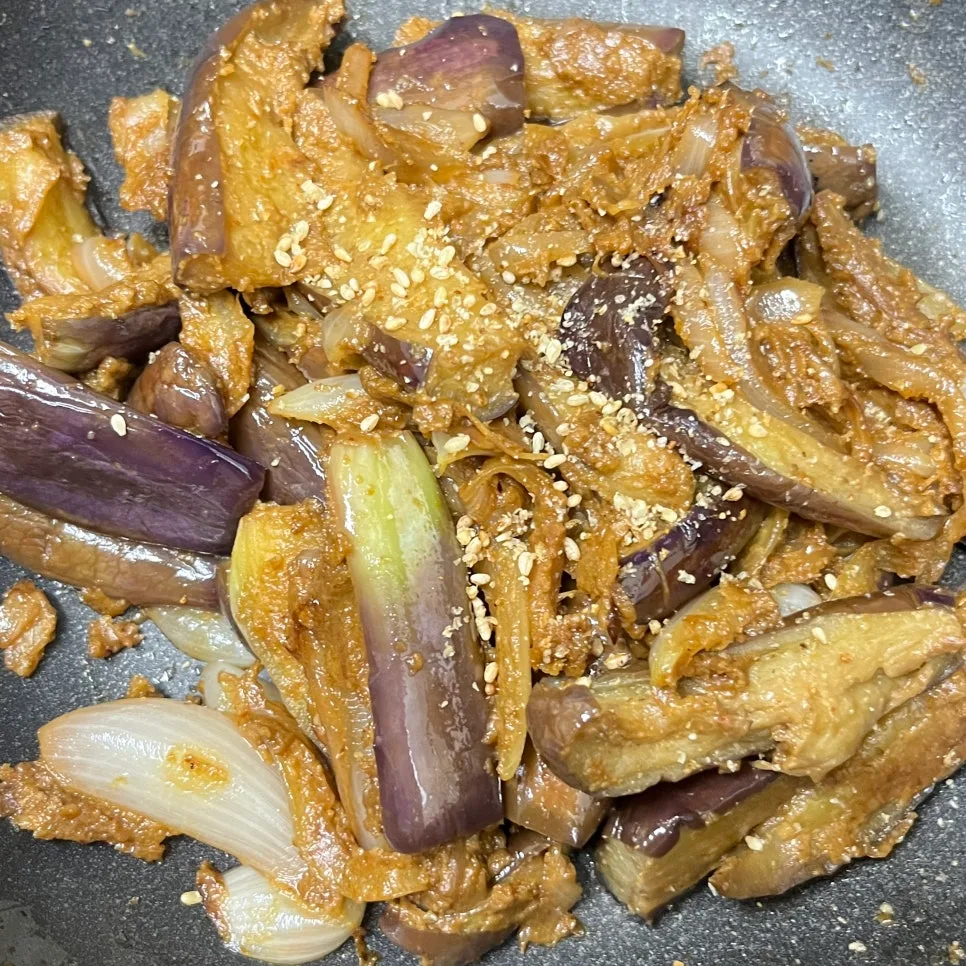
Korean eggplant stir-fry, or 'Gaji Bokkeum', is a beloved banchan (side dish) that can be divisive due to its texture. However, with the right technique, you can achieve a delightfully crisp bite. This 2026 guide reveals the secrets to preparing eggplant that's never mushy, focusing on simple yet effective methods for a delicious and satisfying dish.
How to Make Crispy Korean Eggplant Stir-Fry (Gaji Bokkeum)?
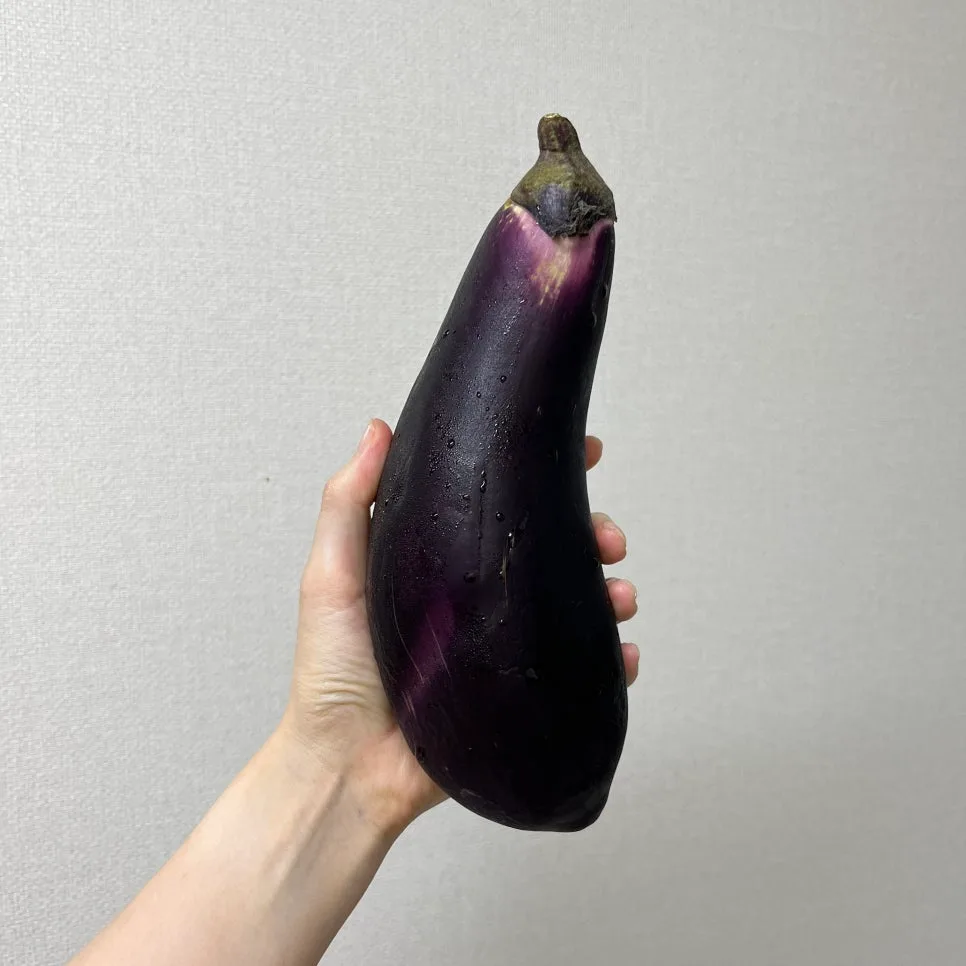
The biggest challenge with Korean eggplant stir-fry is achieving a non-mushy texture. The key to overcoming this lies in properly salting the eggplant to draw out excess moisture. Start by cutting two medium eggplants into bite-sized triangular prisms. Sprinkle generously with salt and let them sit for 30 to 40 minutes. You'll notice a significant amount of water being released, which is crucial for a crispier result. After salting, lightly rinse the eggplant under cold water and then squeeze out as much moisture as possible with your hands. This step is vital for ensuring the eggplant retains its satisfying crunch.
What Are the Best Seasonings for Korean Eggplant Stir-Fry?
The flavor profile of Gaji Bokkeum is simple yet incredibly satisfying, relying on a balanced blend of savory and slightly sweet notes. To create the sauce, heat a tablespoon of cooking oil in a pan over medium heat. Sauté half a chopped onion and a teaspoon of minced garlic until fragrant and translucent. Add 3 tablespoons of soy sauce, 1 tablespoon of sugar, and a splash of oyster sauce for depth. Stir in the prepared eggplant and cook until the sauce coats the pieces evenly. The star ingredient for a nutty, rich flavor is 50g of perilla seed powder (deulkkae garu). Add this towards the end of cooking, stirring gently to combine. Finish with a drizzle of sesame oil and a sprinkle of toasted sesame seeds for a perfect nutty aroma and texture. This combination creates a harmonious balance between the mild eggplant and the rich, nutty perilla seeds, making it an ideal side dish for any Korean meal.
What Are the Benefits and Precautions for Gaji Bokkeum?
One of the main advantages of making Korean eggplant stir-fry is its affordability and ease of preparation using readily available ingredients. Eggplant itself is a good source of dietary fiber, which can aid digestion. However, there are a few points to keep in mind for the best results. Firstly, avoid overcooking the eggplant; stir-frying over high heat for a short period is recommended to maintain its crispness. Secondly, don't skip or shorten the salting process, as this is essential for texture. Thirdly, adjust the seasoning ratios to your personal preference, especially the balance of soy sauce and sugar. It's also wise to consider individual dietary needs and consult with a healthcare professional if you have specific health concerns or restrictions.
What Are Common Mistakes When Making Gaji Bokkeum?
A frequent pitfall for many home cooks is ending up with mushy eggplant, often due to skipping or rushing the salting step. Another common error is cutting the eggplant too thinly, which can cause it to break down easily during cooking. Aim for slightly thicker pieces, like the triangular prisms mentioned earlier, to help them hold their shape. During the stir-frying process, resist the urge to cook for too long; the goal is to coat the eggplant with the sauce quickly over high heat. Lastly, adding the perilla seed powder too early can result in clumping or burning. It's best to stir it in right before you turn off the heat, allowing its rich flavor to meld without compromising its texture. Being mindful of these details will help you create a perfectly textured and flavorful Gaji Bokkeum every time.
For more details, check the original source below.