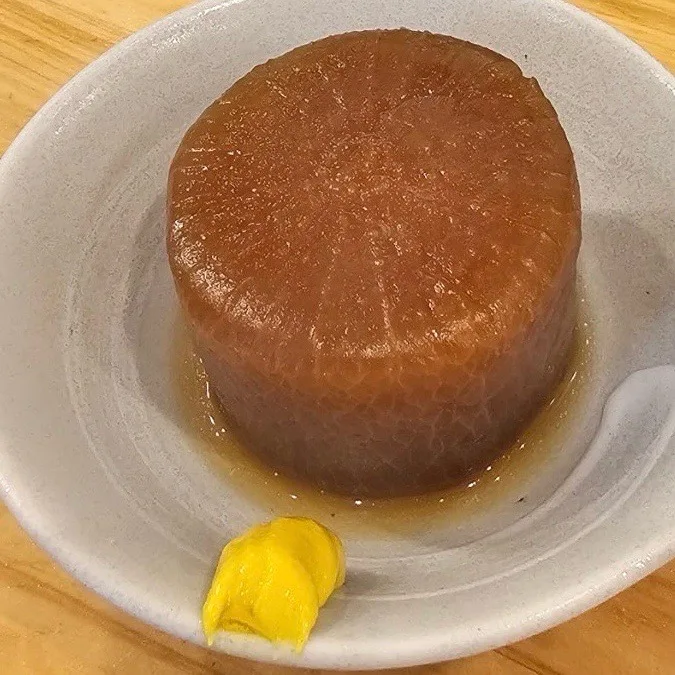
Braised daikon radish, a staple in Korean home cooking, is a comforting dish perfect for cooler weather. The 2026 version of this beloved recipe focuses on achieving a tender radish texture and a deeply savory, slightly sweet glaze. The secret lies in a simple base of 400ml water, 3 tbsp soy sauce, 3 tbsp mirin, and 1 tbsp sugar, finished with a touch of corn syrup for a glossy coating, resulting in a moist and perfectly balanced sweet and salty flavor.
What's the Classic Recipe for Braised Daikon Radish?
Braised daikon radish, often called 'Daikon Jorim' in Korean, is celebrated for its melt-in-your-mouth tenderness and rich umami flavor. It's a fantastic winter side dish, reminiscent of traditional Korean meals served with hearty stews. To start, select a firm, fresh daikon radish and cut it into substantial pieces, about 1.5 inches (3cm) thick. In a pot, combine 400ml of water, 3 tablespoons of soy sauce, and 3 tablespoons of mirin. Add the daikon pieces and bring to a boil for about 5 minutes. During this initial boil, the radish begins to soften and absorb the flavors. Next, stir in 1 tablespoon of sugar. For an added layer of flavor and texture, you can also add two small peeled potatoes. Continue to simmer over medium heat for approximately 10 minutes, or until both the radish and potatoes are tender.
What's the Golden Ratio for Braised Daikon Seasoning?
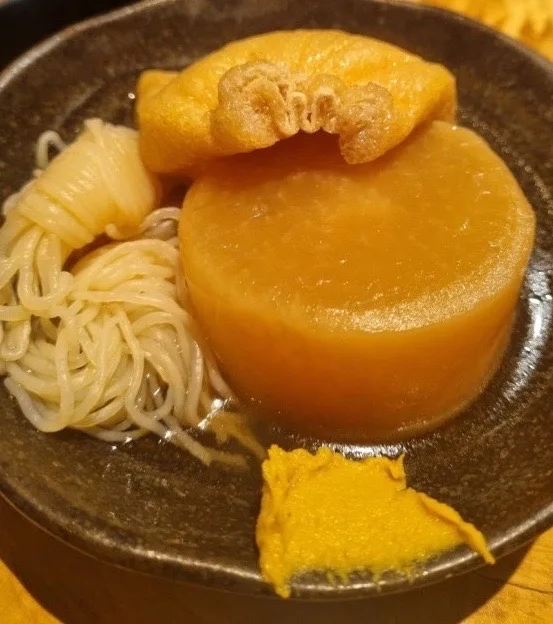
The key to delicious braised daikon lies in the perfect balance of seasonings. The foundational ratio uses 400ml of water as a base, combined with 3 tablespoons of soy sauce, 1 tablespoon of sugar, and 3 tablespoons of mirin. This blend is expertly calibrated to deliver a savory, sweet, and umami-rich taste without being overly salty. Adding the sugar during the simmering process allows it to penetrate the radish more deeply. Towards the end of cooking, just before serving, a half tablespoon of corn syrup can be drizzled over the top. This creates a beautiful glossy finish and a light coating that enhances both the appearance and the tender texture of the radish.
Braised Daikon vs. Braised Potatoes: Which is Tastier?
Choosing between braised daikon and braised potatoes is a delightful dilemma, as both offer unique culinary pleasures. Daikon radish, when braised, releases a subtle, refreshing sweetness and a moist texture that's incredibly satisfying. Potatoes, on the other hand, absorb the savory glaze exceptionally well, becoming soft, sweet, and deeply flavorful. Both ingredients are excellent choices for braising and create a wonderfully balanced meal. Many, like myself, enjoy cooking them together; the daikon provides a juicy, refreshing counterpoint to the rich, sweet potatoes, making for a more complex and enjoyable dining experience.
What Are Common Mistakes When Making Braised Daikon?
When preparing braised daikon radish, a few common pitfalls can affect the final dish. Firstly, cutting the radish too thinly or undercooking it can result in a tough, unappealing texture. Conversely, overcooking can cause the radish to disintegrate, losing its form. It's crucial to adhere to the recommended cooking times. Secondly, achieving the right saltiness is key. Adding too much soy sauce relative to the water can make the dish overly salty. It's best to start with the amount specified in the recipe and adjust gradually by tasting as you cook. Finally, don't skip the corn syrup finish; it adds a crucial glossy sheen and a touch of sweetness that elevates the dish. Ensure the heat is low when adding it to prevent burning.
For more details, check the original source below.