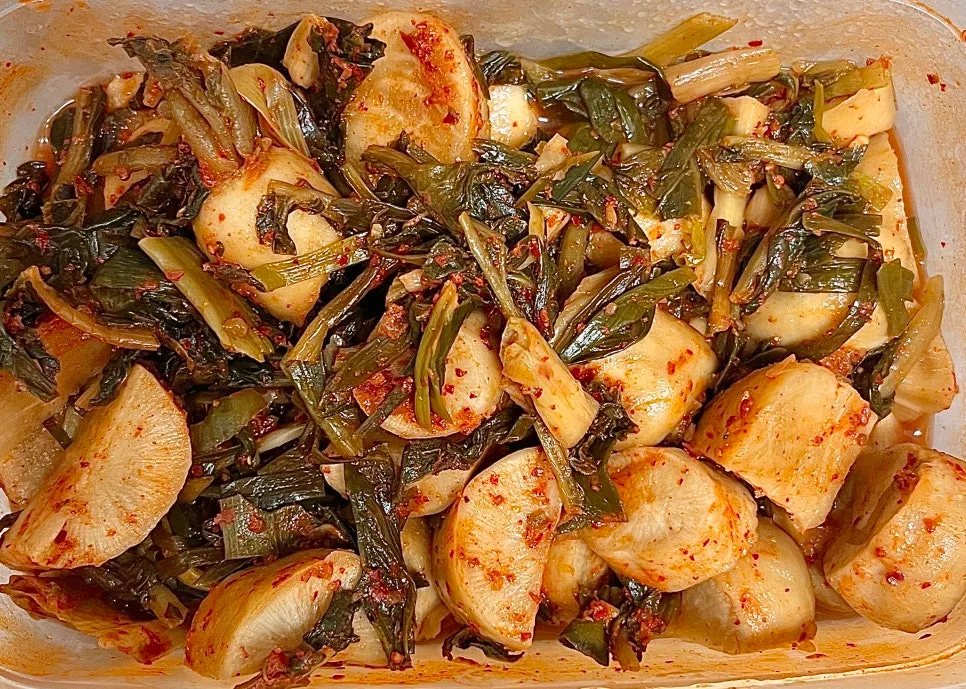
Don't toss that overripe Althari kimchi! Transform it into delicious kimchi fried rice with this super simple recipe for 2026. Learn how to make stir-fried kimchi and then the perfect fried rice, step-by-step.
How to Repurpose Overripe Althari Kimchi into Stir-Fried Kimchi
We've all been there: you receive a generous amount of Althari kimchi, perhaps as a holiday gift, and it becomes a bit too ripe to enjoy as is. Instead of letting it go to waste, you can give it a delicious second life. Finely chop the Althari kimchi and stir-fry it with a few pantry staples. You'll need cooking oil, a pinch of gochugaru (Korean chili flakes), a touch of MSG (optional, for enhanced umami), sugar, soy sauce, and importantly, some of the kimchi brine. Simmering these ingredients together creates a flavorful stir-fried kimchi that can be portioned and frozen. This prep work means you'll have a convenient base for future meals, turning a little effort now into a quick and satisfying kimchi fried rice later.
Easy Althari Kimchi Fried Rice Recipe (Serves 2)
Once your stir-fried kimchi is ready to go, it's time to make the fried rice itself. For a 2-serving portion, prepare about 2 cups of cooked rice. Add your pre-made stir-fried Althari kimchi to a hot pan with the rice. While the stir-fried kimchi already has flavor, adding rice can dilute it. To adjust, season with a little soy sauce, sugar, and gochugaru to taste. Stir everything together until well combined and heated through. Finish with a drizzle of sesame oil for that signature nutty aroma. This method ensures you can enjoy the unique taste of your homemade Althari kimchi right down to the last bite, just like a comforting home-cooked meal.
Key Considerations When Making Stir-Fried Kimchi and Fried Rice
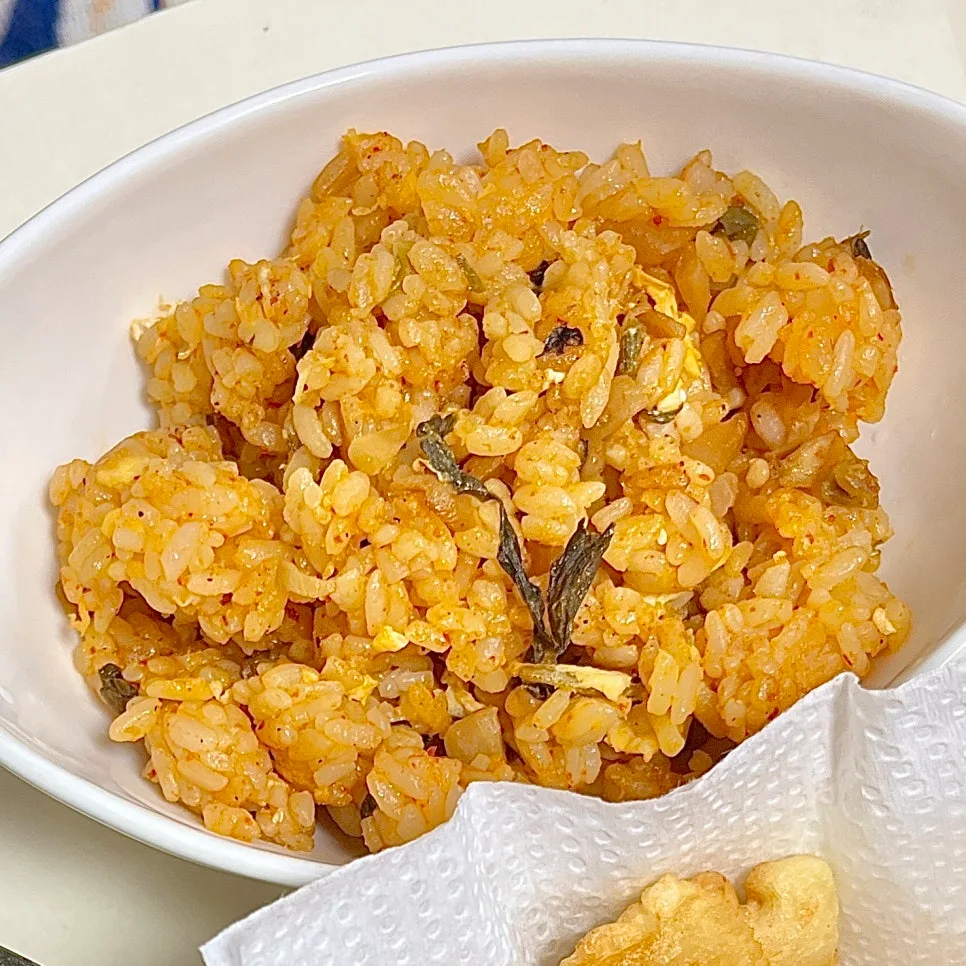
When repurposing Althari kimchi into stir-fried kimchi and then fried rice, keep a few things in mind. If your kimchi is particularly sour or spicy, you might need to add a bit more sugar and soy sauce to balance the flavors. Be mindful of the kimchi brine; using too much can make your stir-fried kimchi watery. It's best to use a moderate amount and simmer it down until it's slightly reduced, concentrating the umami. For the fried rice, using slightly day-old, cold rice works best as it separates easily and fries up nicely, preventing a mushy texture. Always taste and adjust seasonings based on the saltiness of your kimchi and your personal preference.
How Althari Kimchi Fried Rice Differs from Regular Kimchi Fried Rice
Fried rice made with Althari kimchi offers a distinct experience compared to the classic version using napa cabbage kimchi. Althari kimchi, also known as 'ponytail radish kimchi,' has a uniquely crisp texture and a refreshing, slightly tangy flavor that holds up well even after cooking. This inherent crunchiness translates into the fried rice, providing a delightful contrast to the soft rice. Furthermore, well-fermented Althari kimchi often boasts a deeper, more complex savory flavor profile than standard kimchi, elevating the overall taste of the fried rice. This makes Althari kimchi fried rice a special variation, especially when using aged kimchi that has developed a richer umami.
By following these simple steps, you can easily transform overripe Althari kimchi into a delicious and satisfying meal, reducing food waste and enjoying a unique Korean culinary experience.