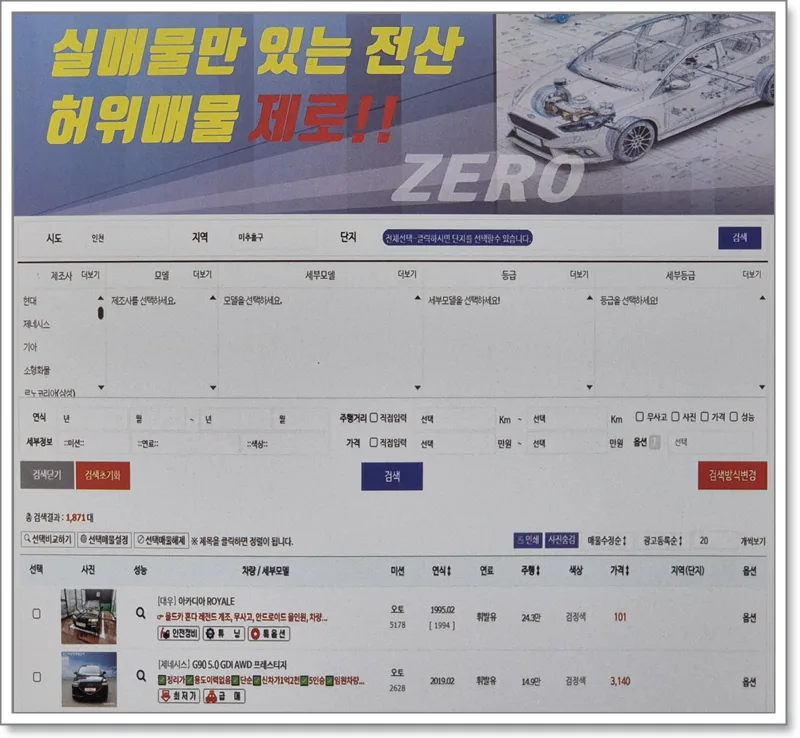
When verifying a used car's listing authenticity in 2026, the most crucial step goes beyond just checking the price, model year, and mileage. It's about ensuring the 'flow' between the car's documented history and its actual condition aligns perfectly. This means confirming that the vehicle's wear and tear, repair records, and mileage progression tell a consistent, believable story.
What Are the Key Red Flags to Watch For When Verifying Used Cars?
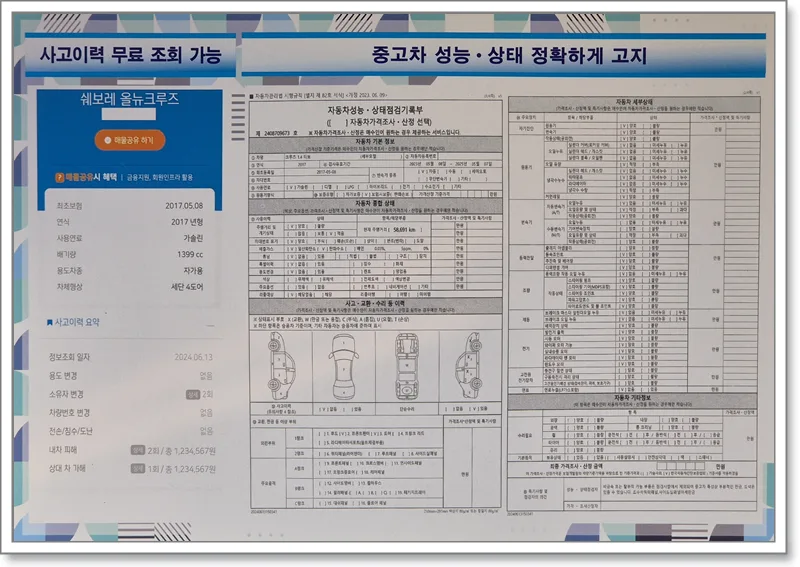
As a certified car appraiser, I've seen firsthand that many buyers focus heavily on the basic specs like price, year, and mileage. However, even when all these numbers seem correct, there's often a subtle 'off' feeling about a car. This isn't necessarily because the data is outright false, but because the narrative presented by the documentation doesn't quite match the reality of the vehicle. For instance, you might find unexpected signs of repair on a car with a clean accident report, or the interior wear might not align with the stated mileage. Overlooking these small inconsistencies can lead to significant problems down the road, making it essential to look beyond the surface-level data.
How Can You Verify the 'Flow' Between a Used Car's Records and Its Actual Condition?
Related Articles
To accurately assess a used car, focus on how its documented history aligns with its present condition. Don't just check the accident history; meticulously compare the reported repairs with the actual state of the vehicle and observe the progression of its mileage. For example, if a car is only a few years old but shows significant wear on the seats or steering wheel, it might suggest the odometer reading is inaccurate. Similarly, verify that the maintenance records are consistent with the vehicle's overall appearance and performance. Any discrepancy in this 'flow' warrants a deeper investigation, even if the paperwork appears flawless.
Why Is It Essential to Inspect the Car's Physical Condition in Person?
While official documents provide a valuable baseline for evaluating a used car, they are ultimately just a reference. The true condition of the vehicle can only be accurately determined through a hands-on inspection. Physical signs like the wear on the seats, the texture of the steering wheel, and the functionality of buttons and controls offer a more honest portrayal of the car's actual usage and maintenance history than mileage or year alone. These tangible indicators often reveal more about how the car has been treated than any report can. Therefore, thoroughly inspecting the vehicle in person is a non-negotiable step in identifying a genuine listing.
What's the Best Way to Build Trust During a Used Car Consultation?
When potential buyers ask if a car is trustworthy, avoid giving a simple 'yes' or 'no.' Instead, the most effective approach is to transparently share the inspection process and involve the customer in examining the vehicle's condition. By walking through each check together, pointing out specific wear patterns, and explaining the findings, you empower the buyer to make their own informed judgment about the car's reliability. This collaborative process builds confidence and demonstrates a commitment to honesty, fostering a stronger sense of trust than any direct assurance could.
English crawl path
Next English reads from this pilot cluster
Continue through the category hub, latest English stories, and related posts so this translated article is not an isolated URL.
Tags
💬Frequently Asked Questions
What should I check first in 2026 Used Car Real Listing Guide: Expert Tips for Buyers?
Does this Automotive article link back to the Korean source?
Where can I find similar English stories?
English discovery path
Explore more English K-culture stories
Keep browsing the indexed English pilot cluster so Google and readers can move between this story, the category hub, and fresh discovery pages.
Original Source
Read the Korean original