When it comes to maintaining your electric vehicle in 2026, understanding the differences between Korean and Western automotive approaches is key. While Korean EVs like the Hyundai Ioniq and Kia EV series are gaining traction in the US for their innovation and value, proper maintenance ensures their longevity and performance. This guide focuses on what makes a top-tier Korean auto service center stand out, offering comprehensive repairs from engine work to bodywork, ensuring your Korean or Western vehicle runs smoothly.
What Differentiates a Top-Tier Korean Auto Service Center?
In Korea, auto repair shops are categorized into different tiers, with 'Class 1' (1급 정비소) being the highest. This designation signifies a facility capable of handling all types of vehicle repairs, excluding construction equipment. For example, a Class 1 shop must maintain a minimum area of 1,000 square meters (approx. 10,764 sq ft) and employ a team of certified technicians, including at least one industrial engineer and three skilled technicians. This ensures they possess the advanced knowledge and technical skills to service a wide range of vehicles, from complex engine and transmission repairs to specialized bodywork and painting. This rigorous standard means a Class 1 Korean auto center offers a level of expertise and comprehensive service that often surpasses that of many Western general repair shops, providing peace of mind for owners of both Korean and international brands.
Why Are Regular Vehicle Inspections Crucial for Safety?
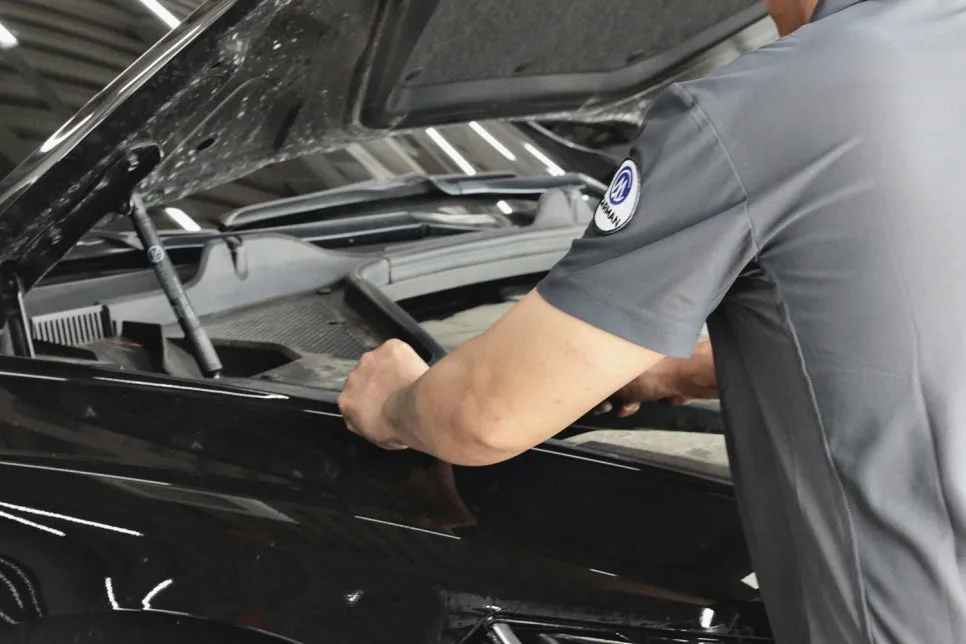
Skipping regular vehicle maintenance is a gamble with your safety and your car's lifespan. Minor issues, if left unaddressed, can escalate into serious problems. For instance, worn brake pads can lead to significantly reduced stopping power, increasing the risk of accidents, especially in unpredictable traffic conditions common in US cities. Engine overheating, often caused by coolant leaks or faulty thermostats, can result in catastrophic engine damage, leading to costly repairs. Similarly, transmission problems can leave you stranded. Proactive inspections, typically recommended every 6 months or 5,000 miles (8,000 km), allow technicians to identify and fix these potential hazards before they compromise your safety or lead to expensive breakdowns. This diligence is vital for all vehicles, whether they are American classics or cutting-edge Korean EVs.
Comprehensive Services Offered by Leading Korean Auto Centers
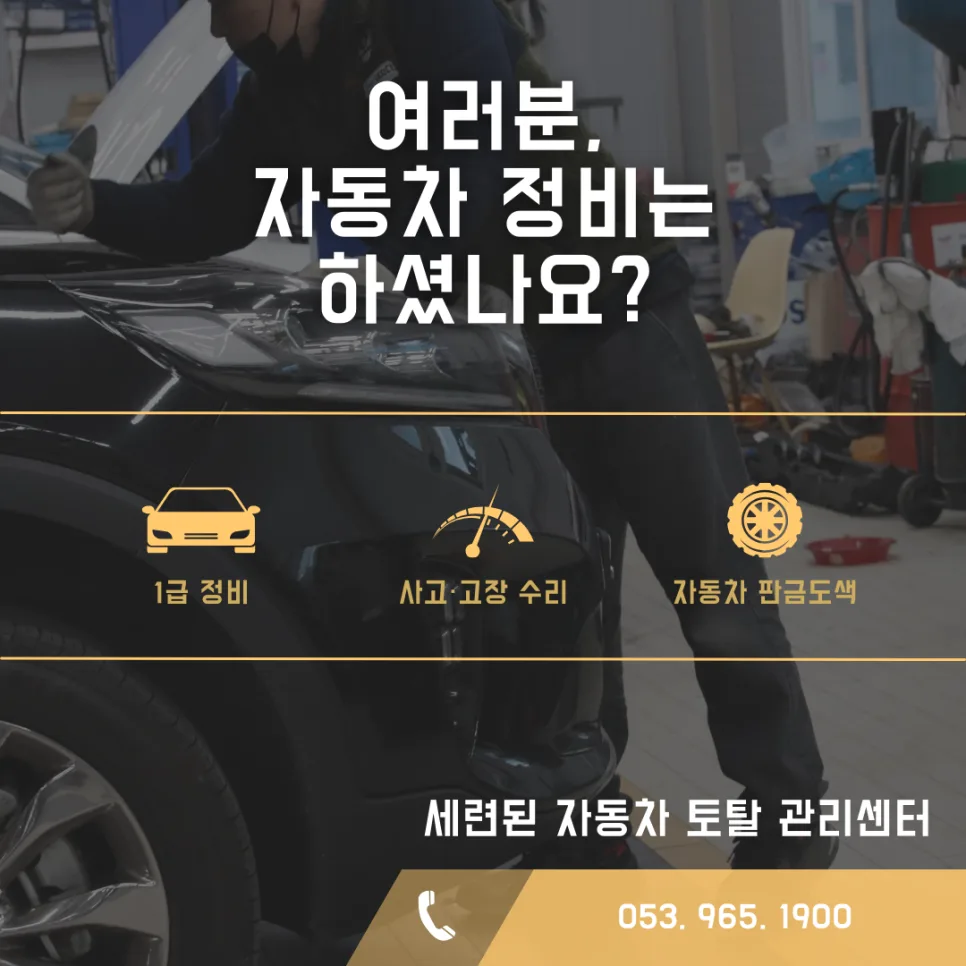
Top-tier Korean auto service centers provide a full spectrum of repair and maintenance solutions. This includes in-depth diagnostics and repair for engine systems, ensuring optimal performance and fuel efficiency. Transmission services range from fluid changes to complete overhauls for both automatic and manual transmissions. Brake and suspension systems are meticulously inspected and repaired to guarantee safe handling and a comfortable ride. Furthermore, specialized services like professional panel beating and painting (판금도색) are offered to restore vehicles to their pre-accident condition, addressing everything from minor scratches to significant collision damage. These facilities are equipped with the latest diagnostic tools and staffed by highly trained technicians capable of handling the intricate systems found in modern vehicles, including the advanced electronics in Korean electric cars.
Convenient Amenities for Vehicle Service Waiting Times
Understanding that vehicle downtime can be inconvenient, many leading Korean auto service centers now offer enhanced waiting area amenities. For example, some facilities include an integrated cafe, providing complimentary coffee and a comfortable space for customers to relax or work while their vehicle is being serviced. This thoughtful approach transforms a potentially tedious wait into a more pleasant experience. Customers can enjoy a beverage, catch up on emails, or simply unwind. This level of customer care, combined with efficient repair services, aims to minimize disruption and enhance overall satisfaction, making the process of maintaining your Hyundai, Kia, or any other vehicle as seamless as possible.
What Does 'Class 1' Certification Mean for Auto Repair?
The 'Class 1' (1급) certification for auto repair shops in Korea is a significant indicator of a facility's capability and trustworthiness. It signifies that the workshop meets stringent government standards for equipment, technical expertise, and service scope. Unlike lower-tier shops that might specialize in specific areas like oil changes or basic maintenance, Class 1 centers are authorized to perform complex repairs on virtually all types of passenger vehicles. This includes engine overhauls, transmission replacements, advanced electrical system diagnostics, and structural repairs after accidents. For consumers, choosing a Class 1 certified shop means entrusting their vehicle to a facility that has proven its ability to handle diverse and challenging automotive issues with professionalism and precision, ensuring a higher standard of repair quality compared to general service centers.
English crawl path
Next English reads from this pilot cluster
Continue through the category hub, latest English stories, and related posts so this translated article is not an isolated URL.
Tags
💬Frequently Asked Questions
What should I check first in Korean EVs vs. Western Cars: Maintenance Guide 2026?
Does this Automotive article link back to the Korean source?
Where can I find similar English stories?
English discovery path
Explore more English K-culture stories
Keep browsing the indexed English pilot cluster so Google and readers can move between this story, the category hub, and fresh discovery pages.
Original Source
Read the Korean original