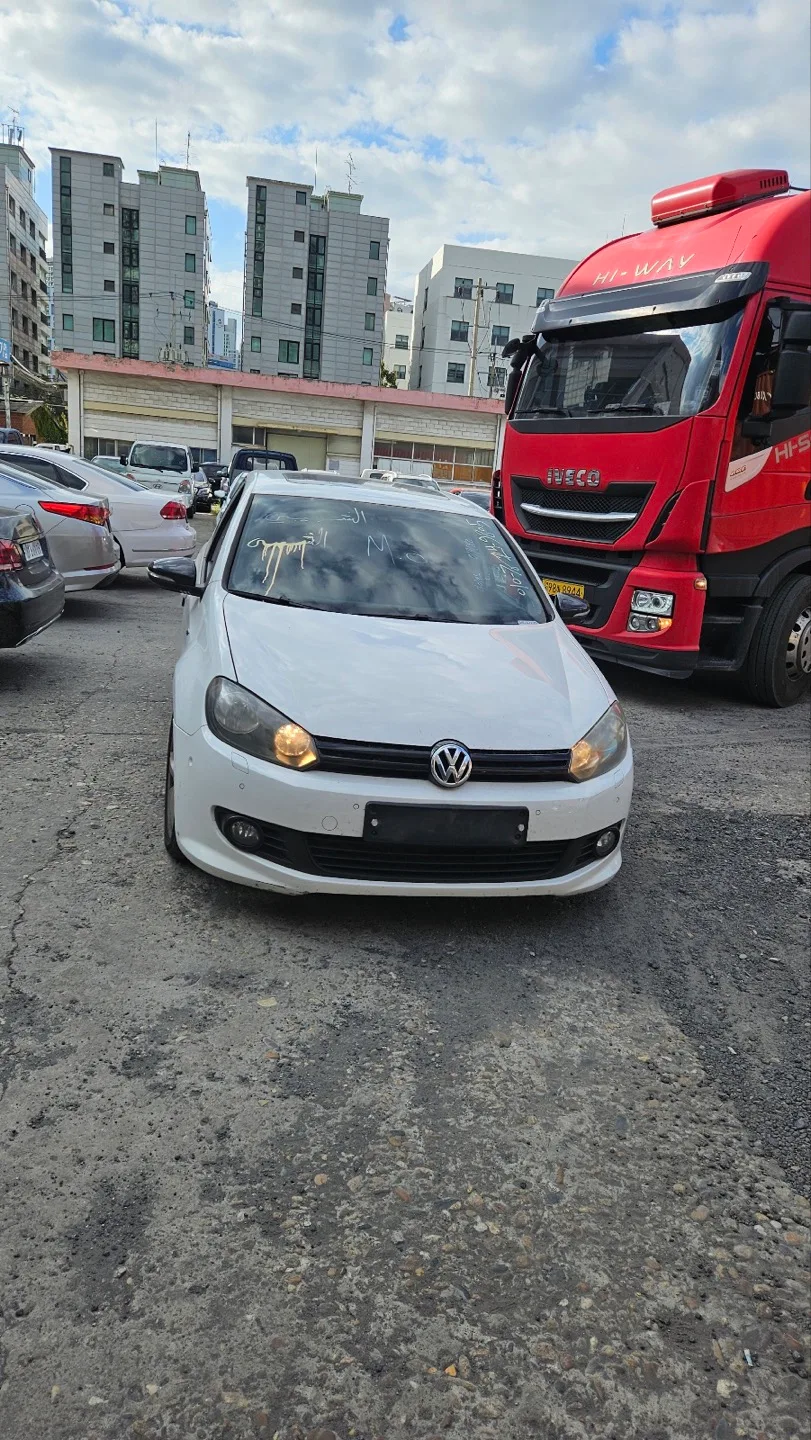
Many car owners believe high-mileage used cars are difficult to export, but the reality is they can fetch top dollar depending on the year and condition. Especially for certain popular models, even with high mileage, there's a strong demand in overseas markets, increasing the likelihood of a great sale price. This guide reveals how to maximize your car's export value in 2026.
Why Exporting High-Mileage Used Cars Makes Sense
In the US market, cars with many miles or older model years often see their value drop significantly. However, the global demand for affordable, reliable transportation tells a different story. Developing nations, in particular, have a consistent need for budget-friendly vehicles, making cars that are undervalued domestically highly sought after internationally. For instance, durable SUVs or sedans from reputable brands, even if they've logged over 100,000 miles, can command surprisingly high prices when exported to regions like Southeast Asia or Africa. I recently handled a 10-year-old SUV with 150,000 miles that sold for significantly more as an export than its domestic trade-in value – a testament to the hidden potential in the global used car market.
Which Used Cars Are Popular for Export?
The specific models in demand for export vary by destination country. Generally, Southeast Asian markets favor fuel-efficient, easy-to-maintain compact sedans and small SUVs. Think along the lines of the Hyundai Elantra (Avante HD in Korea) and Kia Rio (Pride in Korea), which have consistent demand. In contrast, the Middle East often prefers robust SUVs and pickup trucks that can handle tougher conditions. Beyond these, models like the Honda Accord, BMW 5 Series, and Mercedes-Benz E-Class frequently attract export inquiries, regardless of their mileage, due to their established reputation for quality and longevity. These vehicles often find new life in markets where new car prices are prohibitive.
What Conditions Lead to Higher Prices for Exported Used Cars?
To secure the best price for your used car through export, several factors are key. First, the vehicle's make, model, and year must align with the preferences of the target export market. Second, the car's fundamental condition should be sound. While high mileage is acceptable, major issues with the engine, transmission, or a history of severe accidents or flood damage will significantly reduce its value or even make it unsellable. Third, ensure all vehicle documentation, including the title and your identification, is clear and readily available. Finally, working with a reputable export specialist is crucial. Obtaining quotes from multiple buyers and accurately representing your car's condition will help you navigate the market and secure a competitive price. I've seen firsthand how the same car can receive vastly different offers depending on the exporter chosen.
What Should You Watch Out For When Exporting a Used Car?
When selling your used car for export, be aware of potential pitfalls. Firstly, be cautious of fraudulent listings or exporters who drastically inflate quotes to lure you in, only to lower the price later. Researching an exporter's reputation and reading customer reviews is essential. Secondly, honesty about your car's condition is paramount. Disclose any accident history, previous repairs, or known issues upfront. Hiding problems can lead to disputes and damage your credibility. Lastly, understand the deregistration process. Ensure the exporter handles the vehicle deregistration correctly with the relevant authorities to avoid any future legal complications for you as the previous owner.
For more details, check the original source below.