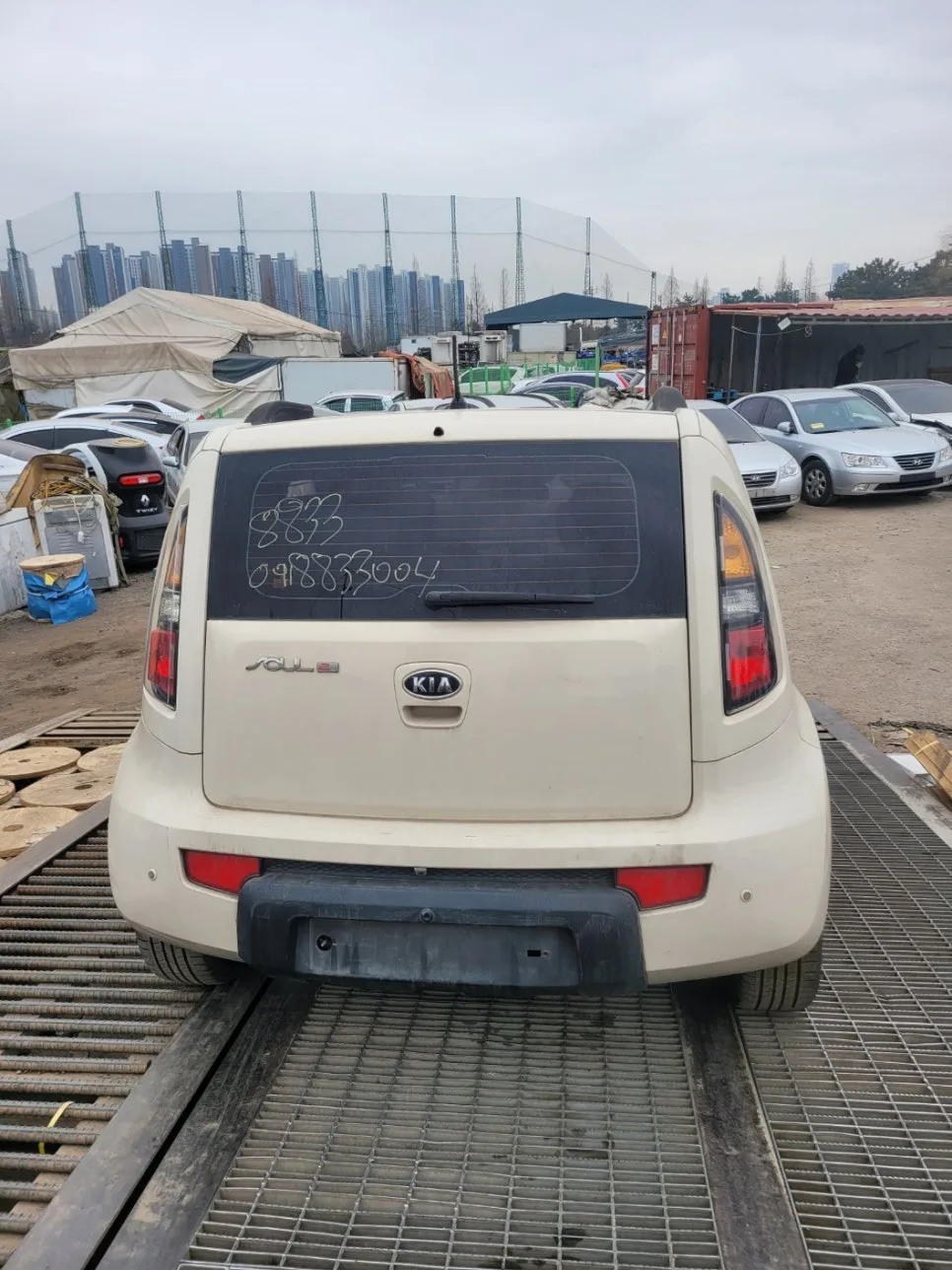
High-mileage or older used cars can fetch higher prices when exported internationally compared to domestic sales. Korean domestic brands like Hyundai and Kia have over a 90% export success rate, with vehicles exceeding 300,000 km (186,000 miles) often being accepted if their engine and transmission are in good condition.
How to Get Top Dollar for Your High-Mileage Used Car Through Export
When selling a used car, price is usually the top priority. While most sellers get quotes from multiple dealers to find the best domestic offer, this approach has limitations, especially for high-mileage or older vehicles that are difficult to sell locally. However, the used car export market offers a different story. Vehicles that might be hard to move domestically can be in high demand in specific overseas markets. It's common for cars with over 300,000 km (186,000 miles), or even up to 500,000 km (310,000 miles), to be exported for a significantly higher price than what they'd fetch in the US, provided the engine and transmission are sound. For instance, some countries prefer white cars, while others value black vehicles more. Identifying these country-specific preferences and exporting your car to the market offering the best price is key to maximizing your return.
Factors That Increase Your Car's Export Value
Several factors influence a used car's export value. The most significant is the vehicle's mechanical condition, particularly the durability of the engine and transmission, even with high mileage. Car color also plays a crucial role; some export destinations favor white vehicles, while others prefer black or specific colors. Matching your car's color to the highest-demand market can significantly boost its sale price. Korean domestic brands like Hyundai and Kia are globally popular, making them highly exportable with over a 90% success rate. While imported cars can also be exported, their value depends heavily on the specific model and the demand in the target country. Additionally, features like smart keys and navigation systems can positively impact the price, so having this information ready can help secure a more accurate quote.
Required Documents and Process for Used Car Export
Exporting a used car is a surprisingly straightforward process. The primary documents required are your vehicle's registration certificate and your identification. With these two items, you can proceed with the sale without complex procedures. After providing details about your car's color, options, and mileage, export companies will identify the best overseas market for your vehicle and provide a quote. The next steps involve a vehicle inspection and signing the sales agreement. Even if your car has a salvage history or is considered too old for the domestic market, it might still hold value internationally. Contacting specialized export companies is recommended, as they can find the optimal export route for your vehicle and ensure you get the best possible price.
When Is Selling Your Used Car for Export Advantageous?
Used car export is particularly beneficial in several scenarios compared to domestic sales. Firstly, for vehicles with very high mileage, such as over 300,000 km (186,000 miles). While high mileage significantly depreciates a car's value in the US market, there's still demand for such vehicles abroad. Secondly, older model cars can be advantageous; while US buyers often prefer newer models, certain older cars are popular in specific countries. Thirdly, cars with accident history may still be viable for export, as minor damage is often overlooked in overseas markets. Fourthly, colors or options that aren't popular domestically might be highly sought after elsewhere. Lastly, Korean domestic brands like Hyundai and Kia have strong global appeal, making them ideal candidates for export. If your car fits these criteria, exploring the export market could lead to a better selling price.
For more details, check the original source below.