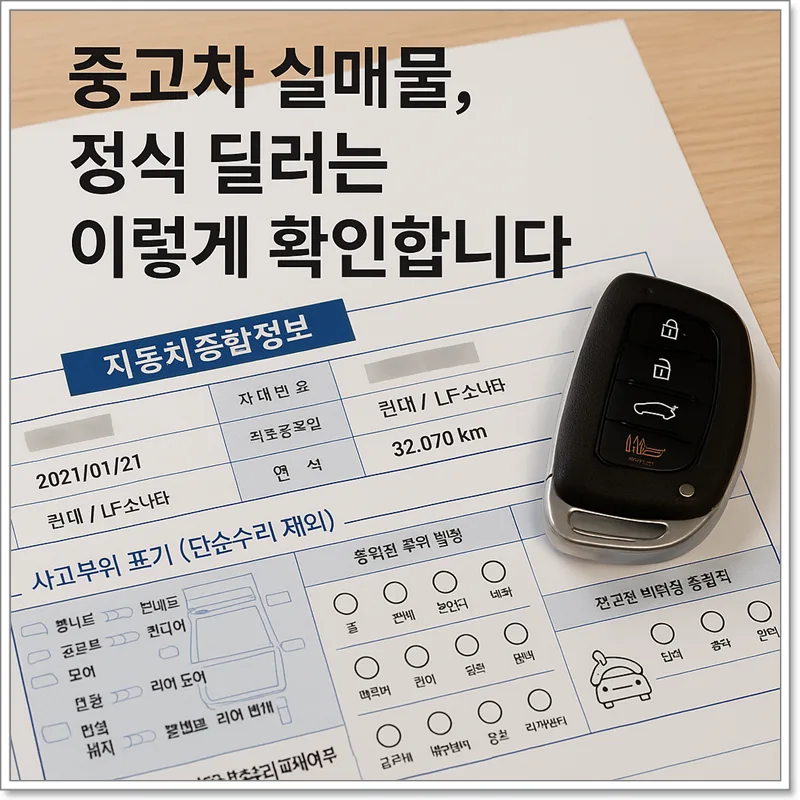
Navigating the used car market can feel like a minefield, but what's the real difference between a genuine listing and a scam? In 2026, a legitimate used car isn't just one that exists; it's a vehicle where the online listing, inspection report, ownership, and sales authority all perfectly align. We'll break down the 5-step verification process used by official dealers to ensure you're getting a real deal.
What Exactly Does a 'Real' Used Car Mean?
The term 'real car' (실매물) is thrown around a lot in used car sales, but its precise meaning is often misunderstood. For official dealers, a 'real car' goes far beyond simply being present on the lot. It must meet several strict criteria. First, the vehicle must physically exist at the seller's storage location. Second, the information listed in the online database—like the model year, mileage, and features—must accurately match the actual car. Third, the condition detailed in the performance inspection report (similar to a vehicle history report in the US) regarding accidents and major component status must align with the car's real-world state. Finally, the ownership, title, and explicit sales authority for that specific vehicle must be clearly verifiable. If any of these four conditions aren't met, an official dealer will not consider it a 'real car,' acting as a crucial safeguard against misleading listings for consumers.
How Do Official Dealers Verify Used Cars?
Related Articles
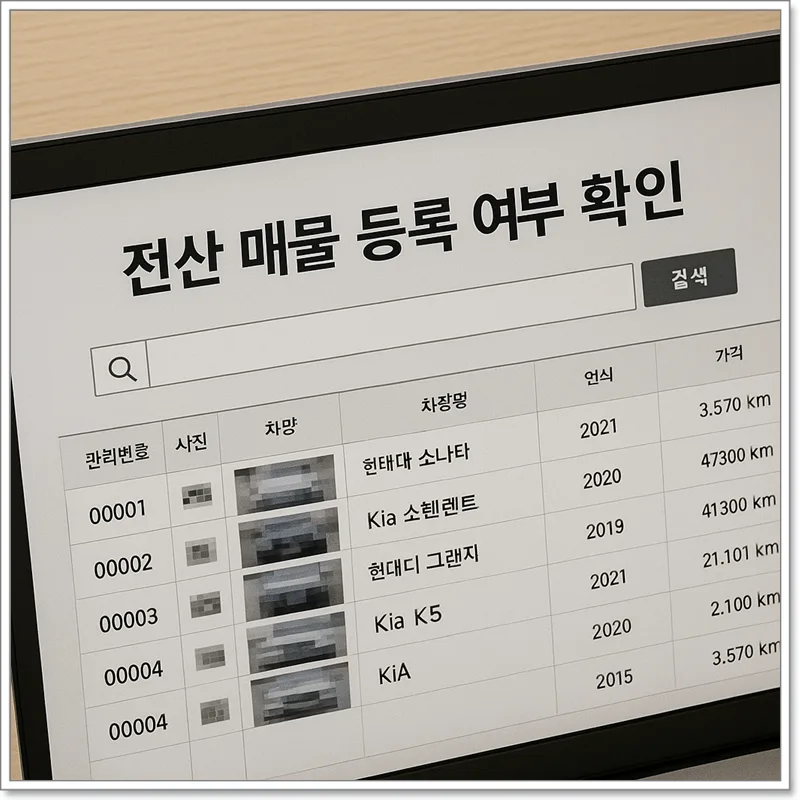
Official dealers don't rely on gut feelings; they follow a systematic process to determine a used car's legitimacy. The first step involves meticulously checking the online listing details—such as the listing number, registration date, price, and any modification history. They are particularly wary of identical vehicles listed multiple times across different platforms. If the online information is unclear or suspicious, the car is immediately flagged. Next, they scrutinize the performance inspection report, comparing the stated accident history, condition of major components, and mileage against the actual vehicle. This physical inspection is crucial; any discrepancies between the report and the car's reality will mark it as a problematic listing. Finally, they verify the seller's authority and the vehicle's title. Confirming that the seller has legitimate ownership or explicit power of attorney, and that the title transfer process can be completed flawlessly, is essential. Without clarity on these points, even a car in excellent condition won't proceed to a formal sale.
What's the Crucial Difference Between Real and Fake Listings?
While many buyers try to judge a used car's authenticity by price or photos alone, official dealers identify the most significant difference in the transparency of the verification process. For genuine listings, dealers can clearly explain the steps taken to confirm the car's legitimacy—detailing the online checks, inspection report findings, and any specific observations during the physical inspection. Conversely, sellers of fake listings often struggle to provide clear explanations, resorting to vague answers or evasion when asked about these verification procedures. Therefore, asking a dealer about their specific car verification process and assessing the clarity and confidence of their answers is a vital step. This diligence is one of the most reliable ways for consumers to avoid falling for fraudulent used car advertisements.
What Key Points Must You Check When Buying a Used Car?
Before even visiting a car in person, you can gauge its legitimacy and the safety of the transaction with a few key questions. First, ask: 'Can I see the performance inspection report immediately?' This report is critical for objectively assessing the car's condition, and a legitimate seller should be able to provide it without delay. Second, inquire: 'Can I inspect the actual car alongside the paperwork (inspection report, title, etc.)?' Visually confirming that the information on the documents matches the vehicle's current state is a non-negotiable step. Third, it's wise to ask: 'Who is responsible if issues arise with the car's condition after the sale?' Understanding who will handle post-purchase problems is crucial for your protection. If a dealer cannot answer these questions clearly or seems hesitant, it's a strong signal to reconsider the vehicle and the seller. These are fundamental checks to ensure a safe and transparent used car purchase.
What Do Official Dealers Say is the Core of Used Car Transactions?
Based on the experience of official dealers, the most critical aspects of a used car transaction aren't just the price or the features. Far more important are the 'verifiable processes' and the 'accountability structure.' Reputable dealers commit to offering only genuine listings and avoid transactions based on unverified information. They also ensure clear communication and support for potential issues that might arise after the sale. Partnering with dealers who adhere to these principles can prevent most problems during the used car buying journey. A 'real car' isn't just claimed; it must be proven through transparent and verifiable procedures. We hope this guide has clarified the standards for identifying genuine used cars and the verification methods used by official dealers. In used car transactions, knowing the information is important, but the act of meticulously verifying it is what truly guarantees your safety.
For more used car buying tips, check the original source below.