The most common question I get during used car consultations is, "Can I really trust this car?" As a certified car appraiser with extensive field experience, I'm here to share the three essential criteria for selecting a trustworthy used vehicle, even in 2026. This guide will help you navigate the used car market with confidence and avoid common pitfalls.
What's More Important Than Price When Buying a Used Car?
Many shoppers prioritize price and features, but I always emphasize checking the consistency of the vehicle's fundamental information first. It's crucial to meticulously compare the data from the official records, the performance inspection report, and the actual condition of the car. For instance, if the records indicate only minor panel replacements but the actual vehicle has frame damage, this can lead to serious issues down the road. Therefore, verifying the consistency across these three information sources is the first step to selecting a reliable used car. During this process, it's also important to gauge whether the dealer is transparent about the vehicle's history.
What to Look For in a Performance Inspection Report
People often glance at the performance inspection report just to check for accident history, but I recommend a more detailed review. Pay close attention to items that are checked but lack specific explanations, ambiguously worded sections, or any inconsistencies in the recorded information flow. For example, if a repair is simply noted as 'transmission repair,' you'll want to inquire about which parts were replaced and how the repair was performed. Cross-referencing these details with the actual condition of the car can help uncover hidden problems and alleviate buyer concerns. This thorough examination is key to understanding the vehicle's true condition.
Why Verify Both Documents and the Actual Vehicle?
Relying solely on paperwork can lead to overlooking crucial details. That's why I always cross-reference document information, such as the car's registration, ownership transferability, and actual ownership status, with the vehicle's physical condition. For example, I verify that the Vehicle Identification Number (VIN) on the registration matches the VIN on the car itself and check for any outstanding liens or encumbrances. This on-site inspection helps identify legal issues or hidden histories associated with the car, ensuring buyers can make their purchase with peace of mind.
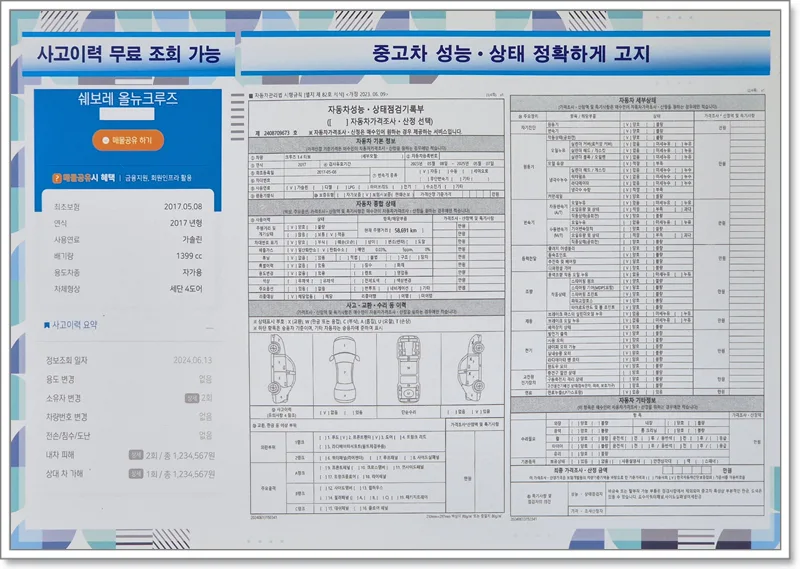
This process of comparing documents with the actual vehicle is an essential step in increasing transparency in used car transactions.
How Is Trust Built in Used Car Transactions?
Trust in used car dealings isn't built on simple assurances like "it's in perfect condition." Instead, it stems from a transparent verification process shared with the customer. When I consult, I strive to show clients the entire inspection process as openly as possible. It's vital to be honest about not only the car's strengths but also minor scratches or repair histories. This honesty allows customers to gain confidence in the vehicle's condition and, consequently, trust the dealer. Ultimately, the most important factor when choosing a used car is the confidence that you've thoroughly checked everything, and this confidence is earned through a meticulous process.
If you're planning to buy a used car, ensure you go through a thorough inspection process.