
Replacing your BMW 530i battery in 2026 involves more than just swapping out the old unit; it requires proper coding to ensure seamless integration with your vehicle's systems. This coding process registers the new battery, optimizes charging efficiency, and prevents potential system errors, crucial for maintaining peak performance and longevity. For US drivers, understanding these steps and the benefits of professional service can save you money and hassle.
Why is the BMW 530i Battery Located in the Trunk?
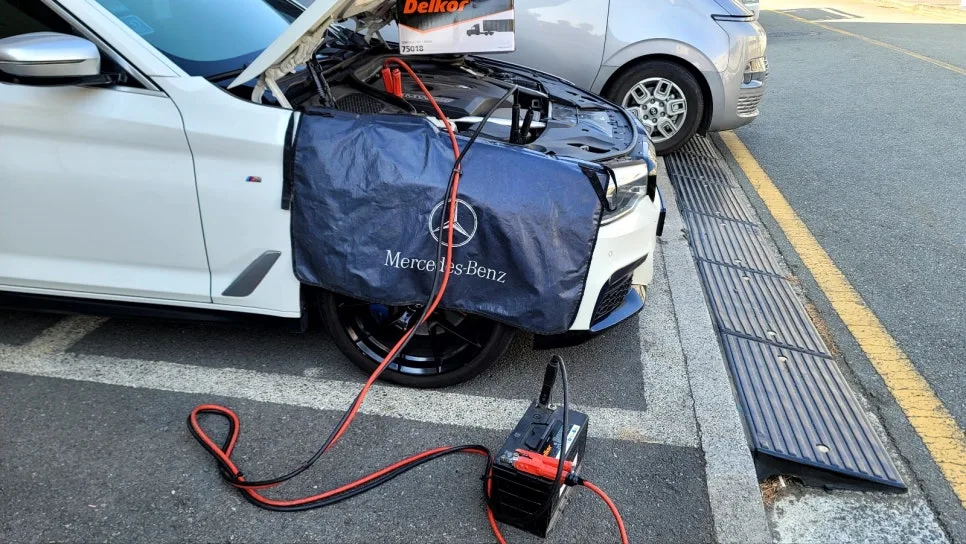
Unlike many traditional cars, the BMW 530i strategically places its battery in the trunk. This design choice offers several advantages. Firstly, it shields the battery from the high heat and confined space of the engine bay, which can significantly extend its lifespan and improve overall reliability. Secondly, relocating the battery to the rear helps optimize the vehicle's weight distribution. This improved balance enhances driving dynamics, leading to better handling and a more engaging driving experience. When performing a battery replacement, it's essential to connect a temporary power source to the engine bay jump-start terminals. This prevents the loss of volatile data stored in the car's computers and protects against voltage surges during the swap. For the 530i, you'll typically find the battery under the trunk floor mat. The replacement process involves disconnecting the negative terminal first to prevent short circuits, followed by the positive terminal. After removing the old battery and its securing bracket, a high-quality replacement like the Varta AGM105 is installed. The installation reverses the disconnection process, reconnecting the positive terminal first. Proper securing of the battery is vital due to the car's weight distribution considerations.
Why is Coding Necessary After a BMW 530i Battery Replacement?
After replacing the battery in your BMW 530i, the coding process is a mandatory step to ensure your vehicle's complex electronic systems recognize and properly manage the new power source. This procedure involves registering the new battery within the car's Battery Management System (BMS). The BMS learns the new battery's specifications, such as its capacity and age, and adjusts charging parameters accordingly. For BMW vehicles, this registration is often tied to the car's total mileage, meaning the system needs to know the mileage at the time of the battery change. Failing to code the new battery can lead to several issues. The BMS might continue to operate based on the old battery's data, resulting in suboptimal charging and reduced battery life. This can also trigger error messages on your dashboard, indicating potential issues with the charging system or the battery itself. Professional diagnostic tools are used to perform this registration and clear any existing fault codes, ensuring your 530i runs smoothly.
How to Check Your BMW 530i Battery Health
Regularly checking your BMW 530i's battery health is crucial for preventing unexpected breakdowns, especially in varying US climates. Key metrics to monitor include the starting voltage, which should ideally be above 12.4V before starting the engine. During operation, the charging voltage should remain stable, typically between 13.5V and 14.5V. A significant drop or spike in these readings can indicate a problem with the battery or the alternator. Another critical test is the Cold Cranking Amps (CCA) rating, which measures the battery's ability to start the engine in cold temperatures – essential for drivers in colder US regions. The State of Health (SOH) percentage provides an overall assessment of the battery's remaining capacity and performance. If your CCA is significantly below its rating or the SOH drops below 80%, it's a strong indicator that the battery is nearing the end of its service life and replacement should be considered. Many auto parts stores in the US offer free battery testing services that can provide these crucial readings.
Cost-Saving Tips for BMW 530i Battery Replacement in the US
Opting for a BMW 530i battery replacement in the US can be a significant expense if you only consider dealership services. However, there are ways to manage the cost effectively. Independent European auto repair shops often provide battery replacement services, including the necessary coding, at a considerably lower price than dealerships – sometimes saving you 40-50%. These specialized shops frequently use high-quality aftermarket batteries, such as the Varta AGM, which meet or exceed OEM specifications. When choosing a shop, ensure they have the proper diagnostic tools for BMW coding and are experienced with the 530i model. Always get a detailed quote that includes the battery, labor, and coding. Some reputable online retailers also sell batteries and coding kits, catering to DIY enthusiasts, though this route requires technical expertise and carries a higher risk if done incorrectly. For most owners, a trusted independent mechanic offers the best balance of quality service and cost savings.
For more details, check the original source below.