Navigating the used car market can feel overwhelming, but avoiding scams is straightforward by focusing on three key verification steps: checking vehicle registration in the system, confirming the dealer is legitimate, and scrutinizing the performance inspection report. These checks ensure you're dealing with a genuine seller and a car that matches its description, making your purchase safe and transparent, no matter the dealership.
Why Verifying the Process Matters More Than the Car Itself
When shopping for a used car, it's easy to get fixated on the vehicle's features, mileage, or price. However, many buyers experience anxiety not from the car itself, but from the uncertainty surrounding the transaction process. Is this a legitimate deal, or a potential scam? This uncertainty often stems from a lack of clarity about the seller and the dealership's practices. Prioritizing the verification of the sales process—ensuring you're dealing with a licensed dealer and a properly registered vehicle—is a more effective strategy to avoid wasted time and stress than solely focusing on the car's specs. This approach is crucial for a smooth and trustworthy car buying experience, whether you're in a major city or a smaller town.
The First Step to a Real Used Car Deal: System Registration Check
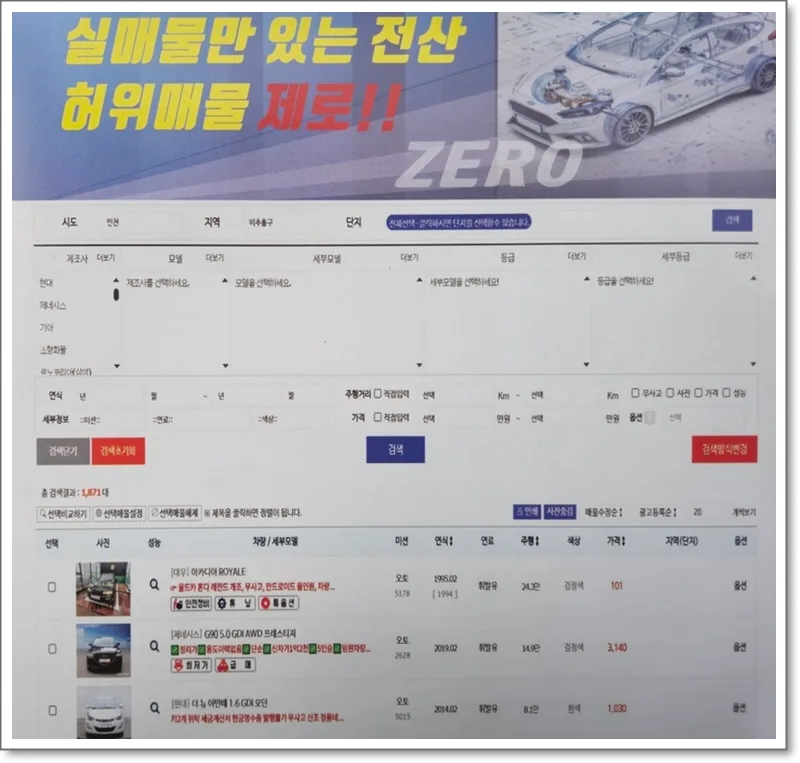
Before you even discuss the specifics of a car, the most critical initial step is to confirm that the vehicle is officially registered in the dealer's system. When you inquire about a specific car, look for these indicators: First, verify that the car is indeed listed in the dealership's official inventory system. Second, ensure that all transaction details are clearly and accessibly documented. Third, confirm that a performance inspection report is readily available. If any of these three points cannot be clearly verified or seem incomplete, it's a strong signal to proceed with extreme caution. This due diligence significantly increases your chances of avoiding fraudulent listings and moving towards a genuine purchase.
What Defines a Legitimate Used Car Dealer and How to Verify Them?
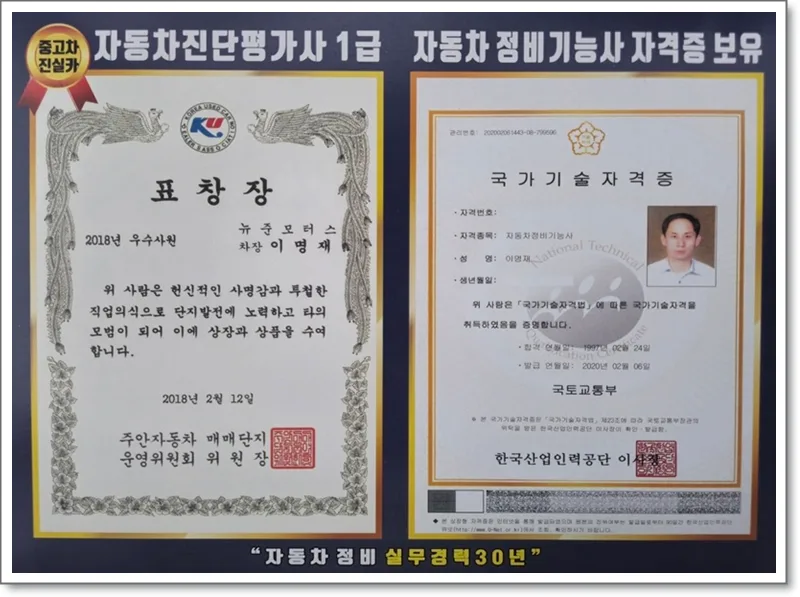
Within any busy used car market, like those found in major US cities, identifying a legitimate dealer is paramount. A trustworthy dealer will proactively provide key information without you having to ask. Look for these signs: First, they must possess a valid dealer's license or salesperson ID. Second, they should clearly state their dealership's name and physical address. Third, they should be able to provide proof of ownership information for the vehicle, typically found on the title. A professional dealer understands that transparency builds trust, and these details are fundamental to a secure transaction. Always ensure you are interacting with an officially recognized and licensed entity.
How to Effectively Use the Used Car Performance Inspection Report
The performance inspection report is more than just a formality; it's a vital document for objectively assessing a used car's condition. When reviewing this report, pay close attention to several key areas. First, carefully examine the accident history and the condition of major vehicle components. Second, verify the operational status of all electronic systems and accessories. It is absolutely essential to compare the information presented in the report with the actual condition of the car you are inspecting. The accuracy and completeness of this report, and its alignment with the vehicle's reality, are critical factors in determining the safety and fairness of the deal.
Red Flags to Watch For During a Used Car Transaction
When you're at a dealership, be aware of certain behaviors that might indicate a less-than-transparent transaction. If the salesperson immediately tries to steer you toward a different car than the one you inquired about, be cautious. Similarly, if they excessively emphasize the price while downplaying the car's actual condition or history, it's a warning sign. Pressure to make a decision on the spot or delays in providing documentation for review also warrant suspicion. In such situations, it's crucial to prioritize the transparency and integrity of the buying process itself over any perceived deal. Always ensure the transaction is conducted openly and fairly.
Confirm these standards for a secure used car purchase.