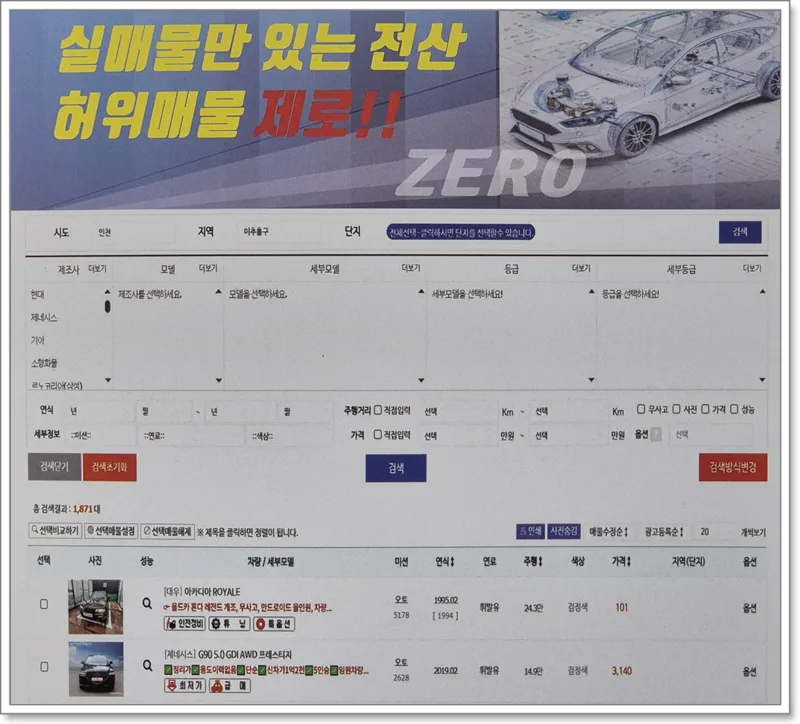
When buying a used car in 2026, the most crucial step is meticulously comparing vehicle information consistency, the performance inspection record, and the actual car's condition. This thorough process helps filter out fake listings and ensures you select a trustworthy vehicle.
How to Verify a Real Used Car Listing in 2026
The biggest question when buying a used car is always, "Is this a real listing?" As an expert with years of experience in the used car market, I prioritize checking the 'consistency of vehicle information' over just the car's year, mileage, or options. Specifically, I first verify if the license plate number, the performance inspection record, and the officially registered information all align. If there's even a slight discrepancy among these three pieces of data, I proceed with a more detailed verification. This meticulous checking process is essential to avoid fake listings or cars with unclear accident histories and to find a reliable used car.
Seeing the actual car in person is important, but verifying its documented history is equally critical.
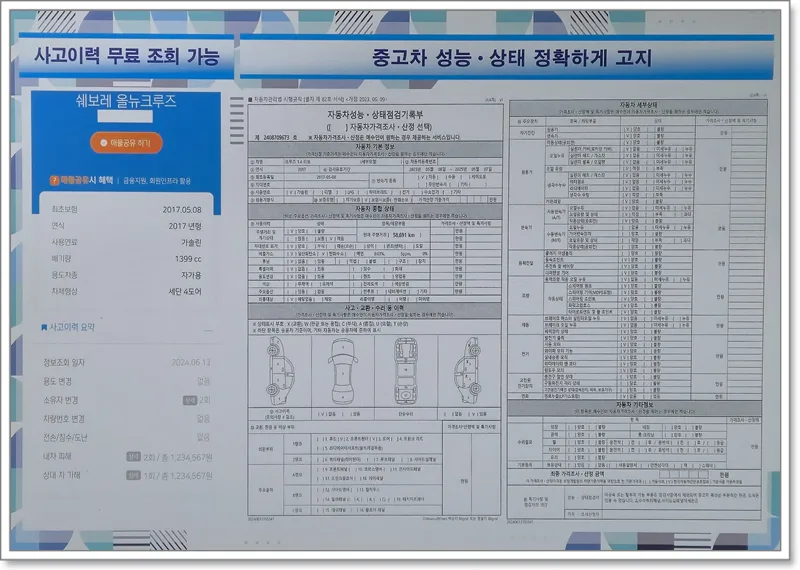
Beyond Accident History: What to Check on a Performance Inspection Record
Many people only check the accident history on a performance inspection record and move on. However, I focus on the 'flow of repair history' and carefully examine if any inspection items are missing or ambiguously marked, or if items are simply checked without further explanation. These details can differ from the vehicle's actual condition, so they must be verified on-site. For example, if an inspection for a specific part is missing, I'll directly check the condition of that part. Such detailed inspections are invaluable for uncovering hidden issues with the car. This is similar to how a home inspector would look beyond the surface to identify potential problems.
How to Confirm a Used Car Listing's Authenticity On-Site
Documentary information alone isn't enough. I always go on-site to compare the mileage on the odometer with the car's exterior condition and interior wear and tear. For instance, if the mileage is low but the seats or steering wheel show significant wear, it warrants suspicion. I also meticulously check if the details on the performance inspection record match the actual condition of the car. Only when the documented information clearly aligns with the vehicle's real state can it be considered a genuine listing. This on-site inspection is a vital step in preventing disputes during a used car purchase.
A thorough on-site inspection is the first step to buying a trustworthy used car.
The Surest Way to Build Trust During Used Car Consultations
When consulting with customers, many express more concern about whether they can trust the seller rather than the car's price or options. In such cases, rather than offering empty reassurances, my principle is to transparently show the process of how I inspect the vehicles. I openly demonstrate all procedures: how I verify information consistency, analyze the performance inspection record, and conduct on-site condition checks. This transparent communication method reduces misunderstandings and is the most reliable way to build trust with customers, ultimately leading to customer satisfaction. It's akin to how a trusted mechanic explains every step of a car repair.
For more details, check the original source below.