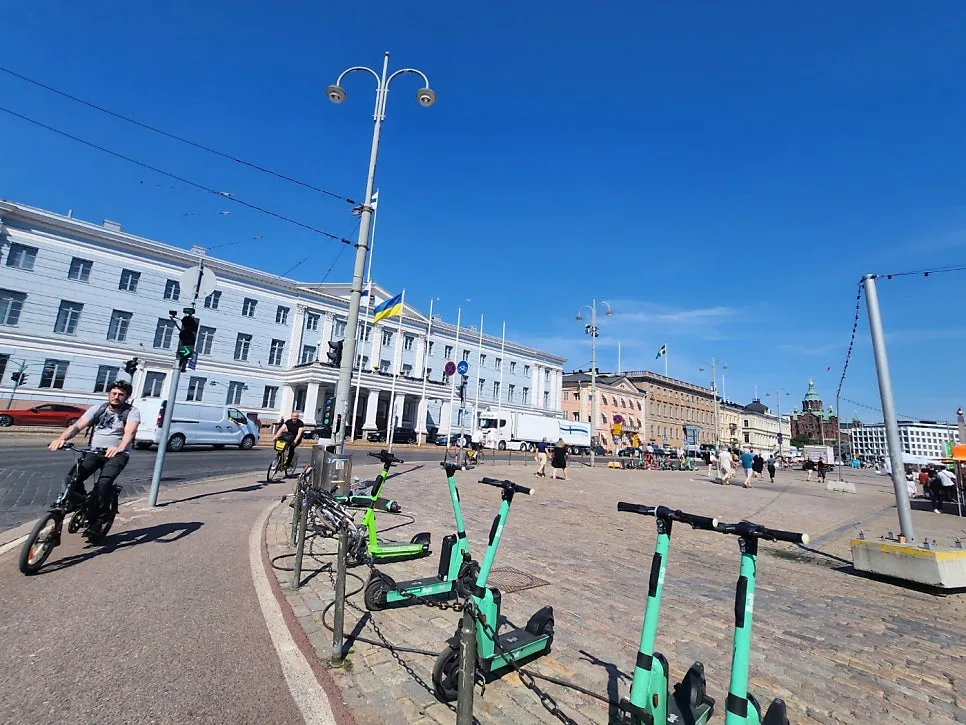
In Nordic countries, cycling is more than just a hobby; it's a primary mode of eco-friendly transportation, often surpassing cars. Copenhagen, Denmark, exemplifies this, with daily bicycle usage exceeding that of automobiles and 41% of its citizens commuting or attending school by bike. This deeply ingrained sustainable culture continues to thrive in 2026, showcasing a commitment to green living.
Why Do Nordic People Love Cycling So Much?
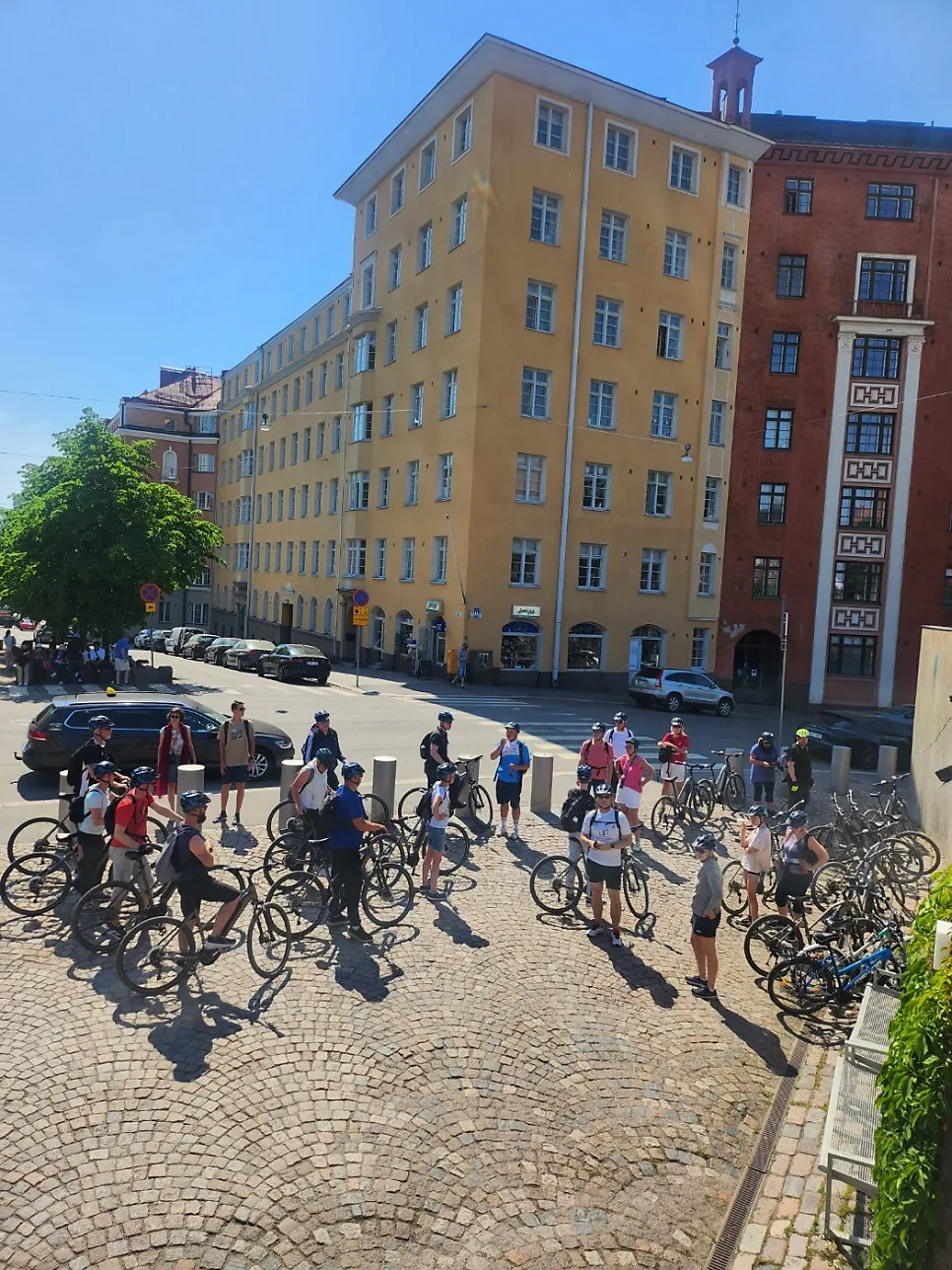
Several factors contribute to cycling's popularity in the Nordic region. Firstly, well-maintained bicycle lanes and dedicated traffic signals ensure safe and convenient rides. For instance, Copenhagen's infrastructure improvements have led to a remarkable 68% increase in bicycle traffic over the past two decades. Secondly, the clean Nordic environment allows for pleasant cycling without the worry of air pollution. Many areas boast excellent air quality, making cycling an attractive option. Thirdly, bicycles are a prime example of eco-friendly transport that doesn't generate fine dust, aligning with a strong societal commitment to environmental protection. The sight of people cycling in rain gear, even on less-than-ideal days, perfectly illustrates this cultural dedication. These efforts not only protect the global environment but also significantly boost citizens' health.
What Are the Health and Environmental Impacts of Cycling?
Cycling offers dual benefits for personal health and environmental preservation. Regular cycling helps prevent cardiovascular and respiratory diseases. Crucially, on days with severe fine dust pollution, choosing a bicycle over a car directly reduces the emission of these harmful particles. Fine dust is classified as a Group 1 carcinogen and can trigger not only eye, skin, and respiratory issues but also cardiovascular and cerebrovascular diseases. Therefore, expanding the use of eco-friendly transport like bicycles is vital in mitigating these health threats. Opting for a bicycle for short trips is a practical step towards addressing these environmental and health concerns.
Can Nordic Cycling Culture Be Applied in the US?
The successful cycling culture of Nordic countries offers valuable lessons for the US. Implementing systematic improvements to bicycle lanes and dedicated traffic signals, similar to Copenhagen's approach, is crucial. Furthermore, integrating cycling education into school curricula from an early age can foster familiarity and encourage its adoption. Policies that incentivize cycling for commuting and school runs are also essential. By combining infrastructure development with a shift in public perception, the US can increase cycling rates, contributing to reduced air pollution and improved public health. Tailored policy designs that consider regional characteristics and road conditions will be key to successful implementation.
What Safety Precautions Should Cyclists Take?
While cycling is environmentally friendly and beneficial for health, adhering to safety guidelines is paramount. Firstly, always use designated bicycle lanes and ride towards the right edge of the road. When crossing pedestrian crossings, dismount and walk your bike. Secondly, during nighttime or poor weather conditions, it's essential to use front and rear lights to clearly indicate your presence to other vehicles and pedestrians. Thirdly, wearing protective gear such as a helmet is strongly recommended to prepare for potential accidents. In areas with high cycling activity, like the Nordics, the risk of collisions with other cyclists or vehicles is elevated, so always be aware of your surroundings and ride defensively.
For more details on Nordic cycling culture, check the original source below.