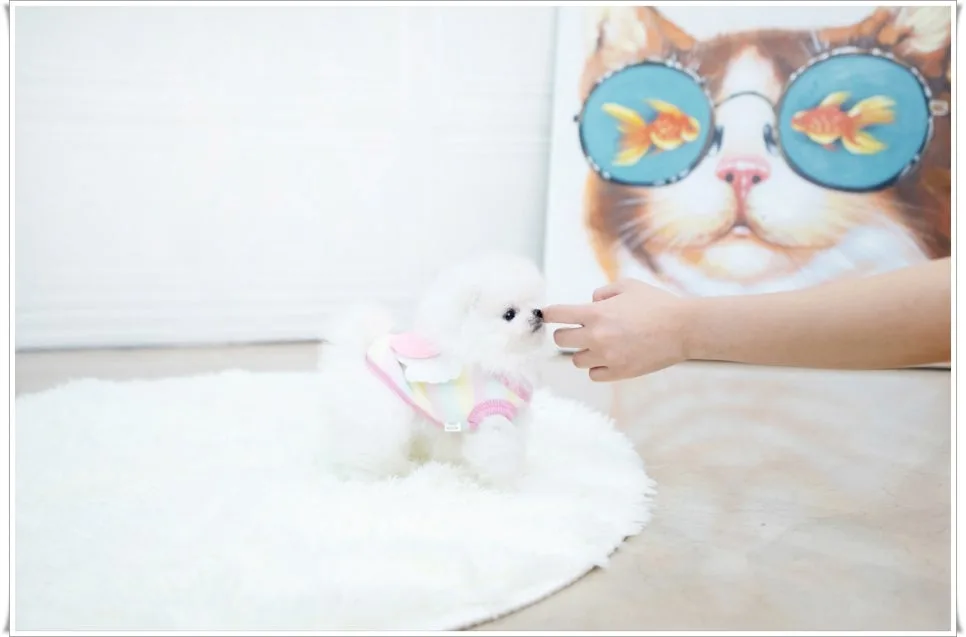
If you're looking to adopt a Spitz puppy in 2026, this guide will walk you through the breed's characteristics, pros and cons, and how to find a healthy, trustworthy adoption source. The Spitz is known for its intelligence and clean habits, making it a popular choice for many families.
What Are the Origins and Characteristics of the Spitz Breed?
The Spitz breed boasts a long history originating in Germany, believed to be descendants of ancient Stone Age dogs. They are recognizable by their fox-like faces, abundant fluffy fur, and distinctive curled tails. Various coat colors and sizes exist within the Spitz family, which evolved from the German Spitz. The Japanese Spitz, commonly seen in Korea and increasingly in the US, was developed in Japan and is known for its pure white coat and medium size. Japanese Spitz typically stand about 12-13 inches tall and weigh 13-22 pounds (6-10 kg). The German Spitz encompasses several sizes, with the smallest, the Zwergspitz, eventually being developed into the Pomeranian we know today.
What Are the Personality Traits and Pros & Cons of Spitz Dogs?
One of the biggest draws of the Spitz breed is their naturally clean disposition. Most Spitz dogs are relatively easy to house-train and tend to learn where to go to the bathroom quickly. They are affectionate and enjoy human company but are generally more independent than smaller breeds, meaning they may be less prone to separation anxiety. However, they can be prone to mistakes if their designated potty area isn't kept clean, so regular upkeep is essential. If a Spitz doesn't have clear leadership from their owner, they can sometimes develop a more demanding personality. They are also sensitive to noise and may bark in response to loud sounds, making early sound desensitization training crucial. Due to their thick double coat, Spitz dogs are moderate to heavy shedders, requiring consistent grooming to manage.
What Should You Consider When Adopting a Spitz?
Spitz dogs can sometimes exhibit wariness towards strangers or unfamiliar dogs, making early socialization paramount. Exposing your puppy to a variety of environments, people, and well-mannered dogs during their critical developmental period is essential for building good social skills. Their alert nature and pointed ears mean they are sensitive to sounds, so if you live in an apartment or close-living situation, focus on desensitization training to help them ignore common household noises. Their significant shedding also means regular brushing and bathing are necessary; ensure you're prepared for this grooming commitment. Consistent, firm, yet kind training with appropriate rewards is key to a harmonious life with your Spitz companion.
How Can You Find a Healthy and Trustworthy Spitz Adoption?
To ensure you adopt a healthy Spitz puppy, it's vital to choose a professional and reputable source. Puppies raised in clean, stimulating environments with proper nutrition and care are more likely to have strong immune systems. Before adoption, inspect the puppy's living conditions and ask for health records, including proof of vaccinations, deworming, and genetic health screenings for common issues like distemper, parvovirus, and coronavirus. Look for adoption centers or breeders who prioritize the well-being of their dogs, offer post-adoption support, and provide discounts on essential supplies. Discuss your lifestyle and needs with the adoption specialist to ensure a Spitz is the right fit for your home.
For more details, check the original source below.