Thinking about adopting a Siberian Husky in the US? This guide covers their intelligent traits, essential care needs, and what to consider before bringing one home in 2026.
What Makes Siberian Huskies So Captivating?
Siberian Huskies are renowned for their striking, wolf-like appearance and sharp intelligence, making them a beloved breed. Their charisma was further amplified by the 2006 film 'Eight Below,' showcasing their resilience and charm. Typically classified as a medium-sized dog, they stand between 20-24 inches (50-60 cm) tall and weigh 35-60 pounds (15-27 kg), though their robust build often leads them to be perceived as large dogs. Originally bred as working sled dogs in the Arctic, they played crucial roles in transporting goods and aiding in rescues. Originating from the Chukchi people of Siberia, the name 'Husky' is believed to derive from their distinctive, sometimes husky, vocalizations.
Huskies possess distinctive features like erect, triangular ears and a tail that curls slightly over their back when excited, adding to their unique appeal. Their almond-shaped eyes are set slightly upward, complemented by a well-balanced, muscular physique and relatively short legs. Common coat colors include black, gray, and red, often beautifully contrasted with white markings.
Husky's Unique Eyes, Double Coat, and Energy Needs
Related Articles
One of the most striking features of Siberian Huskies is their eye color. While many have brown eyes, blue eyes are common, and some possess 'odd eyes' (heterochromia), where each eye is a different color, adding to their mystical allure. They boast a dense double coat, sometimes appearing triple-layered, designed for extreme cold, which means they shed profusely. Be prepared for significant shedding year-round, with heavier shedding periods twice a year. Huskies are incredibly energetic and were bred for endurance. They require at least 1 hour of vigorous exercise daily, such as running, hiking, or engaging in dog sports, to prevent boredom and potential behavioral issues stemming from pent-up energy. An active lifestyle is crucial for their well-being, making them ideal for owners who enjoy the outdoors.
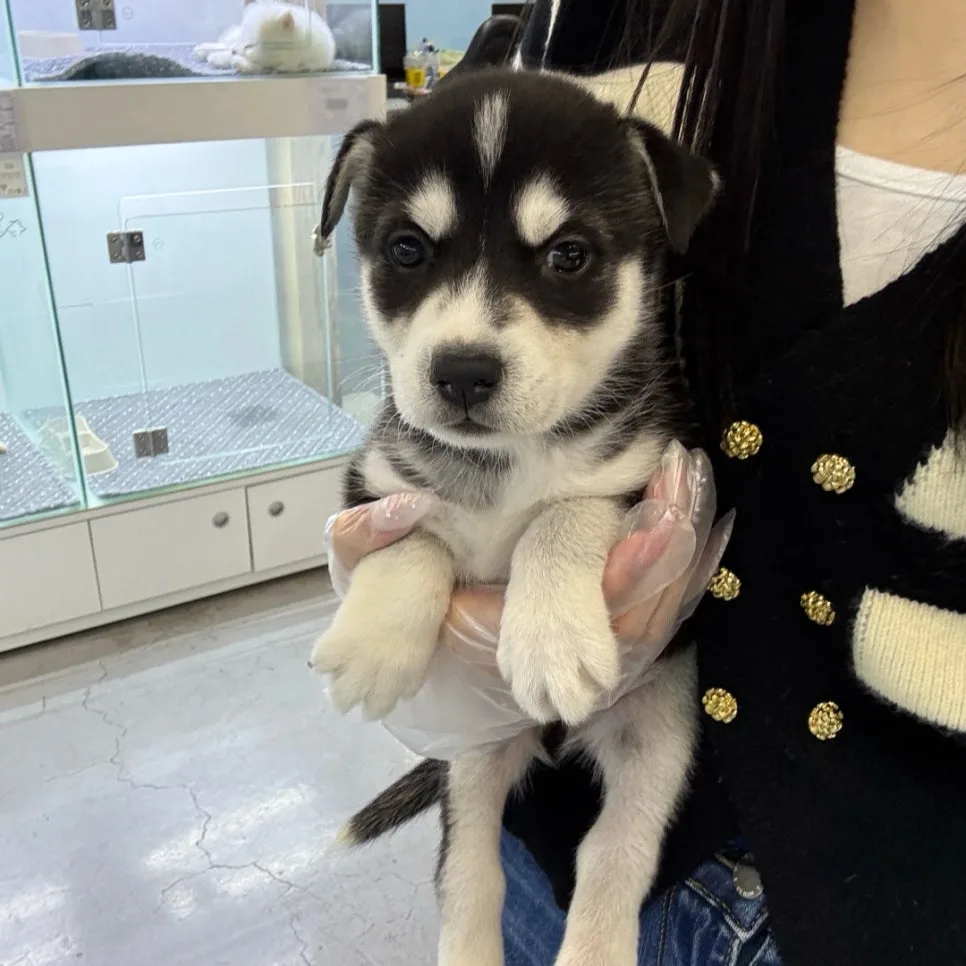
If you're seeking an active canine companion, a Husky could be an excellent fit.
Key Considerations Before Adopting a Husky
While Siberian Huskies are captivating, potential owners must carefully consider several factors. Firstly, their substantial shedding requires consistent grooming and diligent cleaning. Secondly, their high energy levels demand a significant time commitment for daily exercise and mental stimulation. Without adequate activity, they can develop destructive behaviors or separation anxiety. Thirdly, early and consistent socialization is vital. Huskies can be independent and sometimes stubborn, so exposing them to various people, animals, and environments from a young age, coupled with positive reinforcement training, is crucial for developing a well-adjusted dog. Fourthly, be aware of potential vocalizations like howling and their tendency to dig. If you are prepared to meet these needs with dedication and consistency, a Siberian Husky will undoubtedly become a loyal and wonderful member of your family.
Where to Find Healthy Siberian Husky Puppies for Adoption
When looking to adopt a Siberian Husky, prioritizing reputable sources is essential for ensuring you bring home a healthy and well-socialized puppy. Avoid impulse purchases from pet stores or online ads that lack transparency. Instead, focus on responsible breeders who prioritize the health and temperament of their dogs. Look for breeders who are transparent about health testing for common Husky issues like hip dysplasia and eye conditions, and who are happy to let you meet the puppy's parents. Alternatively, consider adopting from a breed-specific rescue organization or a general animal shelter. Rescues often have adult Huskies whose personalities are already established, and shelter staff can provide valuable insights into their temperament and needs. Adopting from a rescue not only gives a deserving dog a second chance but also often comes with a lower adoption fee and includes initial veterinary care like vaccinations and spaying/neutering.