Considering adopting a Shiba Inu in 2026? These dogs are known for their intelligence and cleanliness, but they require dedicated training due to their sensitive nature. Be prepared for their 'Shiba scream' and the need for early socialization to ensure a well-adjusted companion.
What to Know Before Adopting a Shiba Inu
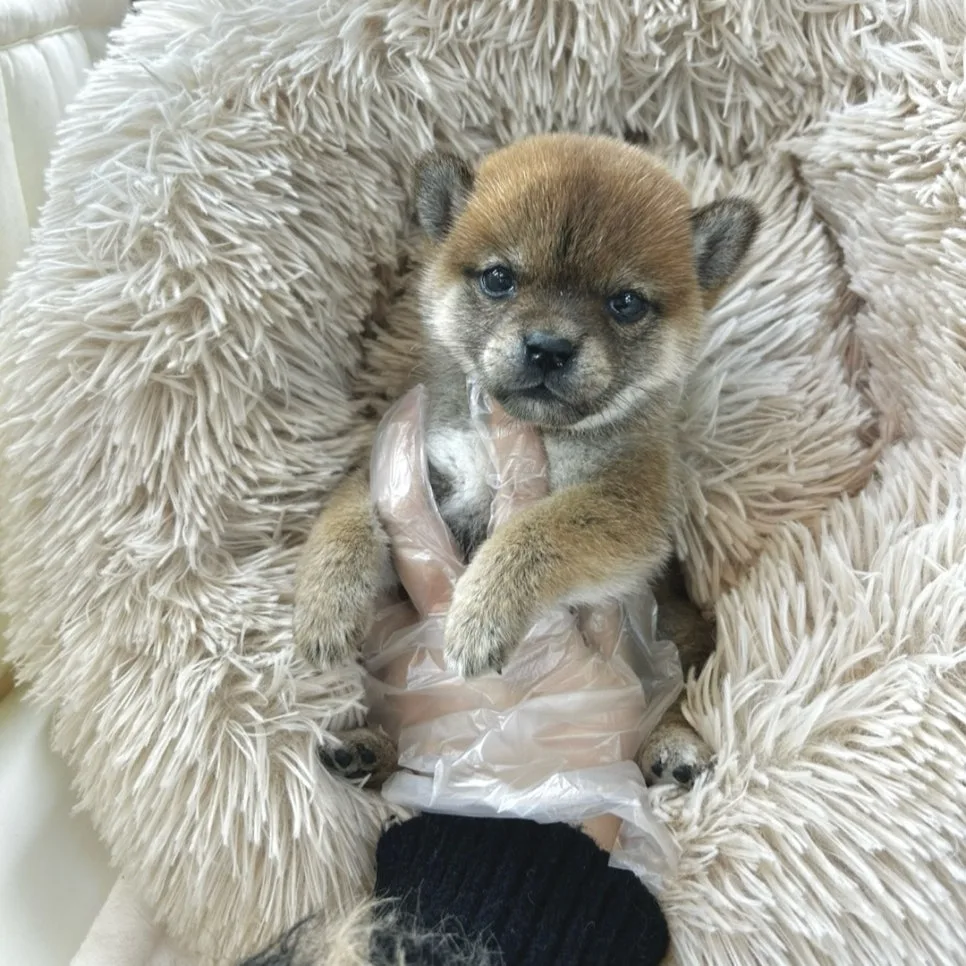
Shiba Inus are a medium-sized Japanese breed with a unique charm, often compared to Korean Jindo dogs due to their similar appearance and popularity in both countries. They are prized for their cleanliness and high intelligence, making them appealing as indoor pets. However, Shiba Inus can also be quite sensitive and possess a 'Shiba scream' — a high-pitched vocalization they use when distressed or unhappy. This sensitivity means they can overreact to minor stimuli or display defensive nipping. It's crucial for potential owners to fully understand these traits and be prepared for the training commitment before bringing one home. Many Shiba Inu owners report that training can be challenging, highlighting the need for patience and consistency.
History and Breed Characteristics of Shiba Inus
Originating from Japan approximately 300 years ago, Shiba Inus were bred as hunting dogs for small game in mountainous regions. They were designated a Natural Monument of Japan in 1937. After facing near extinction during World War II, dedicated breeders worked to preserve the breed. They gained international recognition, being registered with the American Kennel Club in 1992. A typical Shiba Inu weighs between 17-24 pounds (7-11 kg). A smaller, miniaturized version called the 'Mame Shiba' weighs around 11 pounds (5 kg) and is popular for apartment living, though not officially recognized as a separate breed by major kennel clubs. Shiba Inus come in various coat colors, with black and tan and red being the most common. They have a double coat, meaning they shed significantly, especially during spring and fall shedding seasons, requiring regular grooming. Despite shedding, they are naturally clean and typically only need baths every 3-4 weeks.
Managing 'Shiba Scream' and Sensitivity
One of the most distinctive traits of the Shiba Inu is their 'Shiba scream,' an intense, high-pitched vocalization often used during vet visits, grooming, or any situation they find unpleasant. This sensitivity to touch can lead to resistance during nail trims, ear cleaning, or even regular brushing. If they learn that screaming or resisting makes the experience stop, the behavior can intensify. To manage this, early and positive socialization is key. Introduce gentle handling and positive reinforcement, like treats and praise, from a young age. Gradually increase the duration and intensity of petting, making it a massage-like experience. Even if your Shiba Inu protests, it's important to remain consistent with handling during training sessions. Understanding and patiently working with their sensitive nature is vital for a harmonious relationship.
Tips for a Healthy and Safe Shiba Inu Adoption
When deciding to adopt a Shiba Inu, choosing a reputable breeder or rescue is paramount. Responsible breeders prioritize the health and temperament of their dogs, often providing health clearances for the parents and ensuring puppies are well-socialized from 8 weeks of age. Look for breeders who test for common genetic conditions like hip dysplasia and eye issues. Ensure the puppy has received its initial vaccinations and deworming treatments, and ask for records from a veterinarian. A healthy puppy should be alert, active, and have clear eyes and a clean coat. Reputable shelters and breeders will be transparent about the dog's health history and temperament. In the US, resources like the American Shiba Inu Club (ASIC) can provide breeder referrals and adoption information. Always ask about the puppy's background and inquire about any health guarantees offered.
For more details, consult reputable Shiba Inu rescue organizations.