Potty training a puppy can be confusing, but understanding the common mistakes, age-specific training methods, and proper reactions to accidents is key. This guide breaks down how to successfully potty train your dog in 2026.
Why Do Dogs Make Potty Mistakes? A 2026 Analysis
Dogs make potty mistakes for a variety of complex reasons. The most common cause is a lack of proper training and habit formation, especially in young puppies or newly adopted dogs. Anxiety or stress from environmental changes, new people, or separation can also trigger accidents. It's crucial to remember that sometimes, health issues like bladder infections or diarrhea are the culprits; if your dog's potty habits change suddenly, consult a veterinarian immediately. Inconsistent or unclean potty areas can lead to confusion, and in rare cases, dogs may have accidents to seek your attention. Pinpointing the root cause is the first step to effective training.
How Does Age Affect Puppy Potty Training?
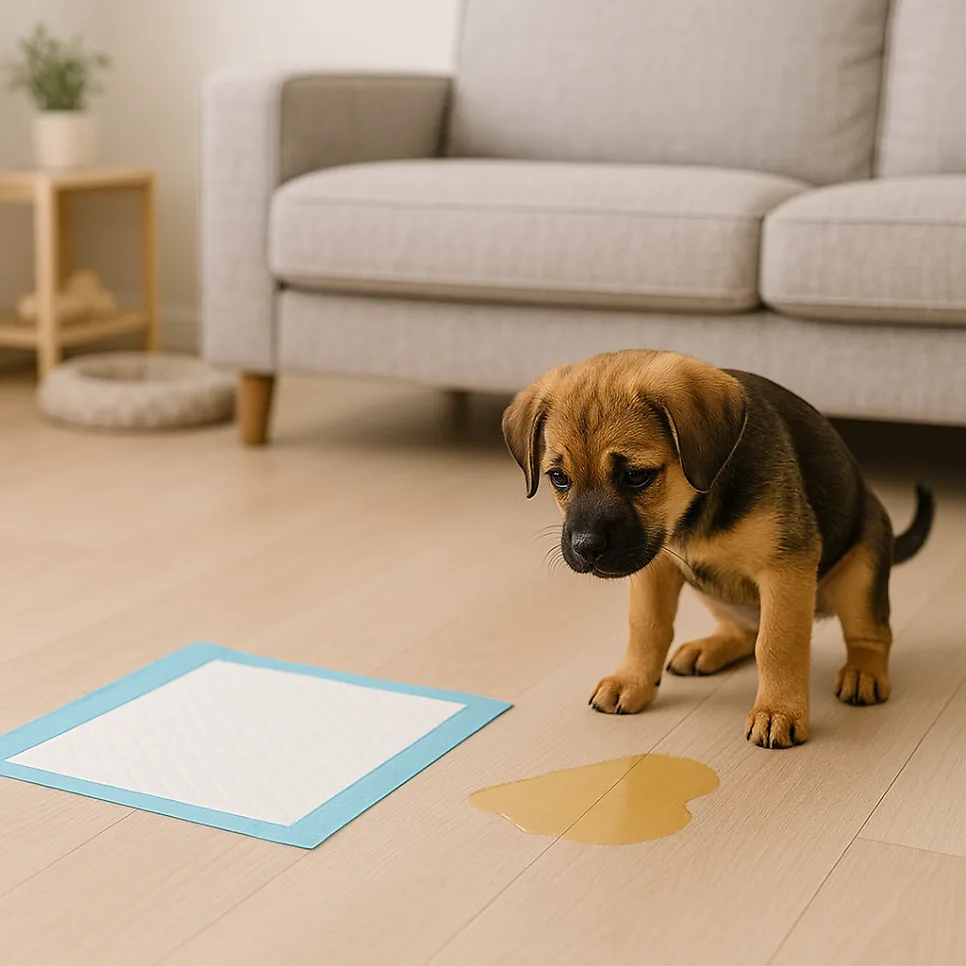
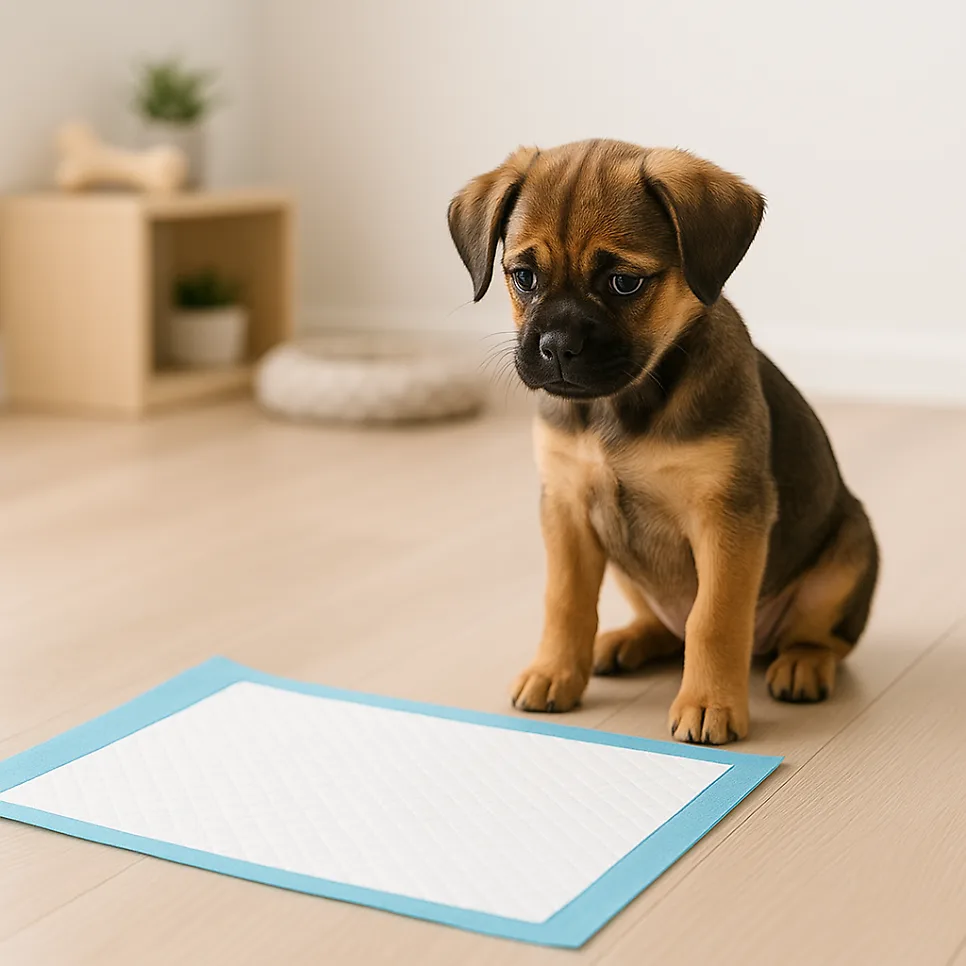
The approach to potty training needs to adapt as your puppy grows. For puppies aged 2-4 months, this is the golden period for establishing potty habits. Guide them to their potty pad immediately after meals and waking up. Reward successful potty breaks with treats and praise. If an accident occurs, simply clean it up quietly without scolding. For puppies aged 5-12 months, this is the habit-solidification phase. Continue to clean up accidents discreetly and maintain a consistent routine with regular walks to establish a rhythm. For adult dogs over 1 year old who suddenly start having accidents, it's essential to suspect underlying health issues or stress and consult a vet first.
Potty Training Accidents: What NOT to Do
Reacting emotionally to your dog's potty accidents can worsen the situation. Never yell at or punish your dog after an accident; this can make them fearful of pottying in front of you, leading them to hide their mistakes. Forcing their nose into the mess is also counterproductive and causes confusion and anxiety. If the smell isn't completely eliminated from the accident spot, your dog may perceive it as an acceptable place to go again. Therefore, when an accident happens, clean it calmly and thoroughly, ensuring no negative feedback is given to your dog. Your calm and consistent response is crucial for successful potty training.
Practical Tips for Successful Potty Training
To ensure your dog's potty training is a success, consistently apply these practical tips. First, always place potty pads in a designated, consistent location to avoid confusing your dog. Second, immediately reward successful potty breaks with treats and enthusiastic praise to reinforce the positive behavior. Third, use a pet-specific enzymatic cleaner to completely eliminate odors from accident spots, as regular detergents may not be sufficient. Fourth, consider keeping a potty log; tracking meal times, water intake, and potty breaks can help you understand your dog's patterns. Finally, you can gradually introduce the idea of pottying during walks. Consistently applying these methods will greatly aid your potty training journey.
For more details, check the original source below.