
Considering a Pomsky puppy in the US? While these charming Husky-Pomeranian mixes are incredibly appealing, their high energy, shedding, and stubborn streaks mean they require a dedicated owner. Understanding their unique needs is crucial before bringing one home. This guide covers everything US buyers need to know about Pomsky temperament, care, and finding a healthy puppy in 2026.
What Makes the Pomsky So Alluring?
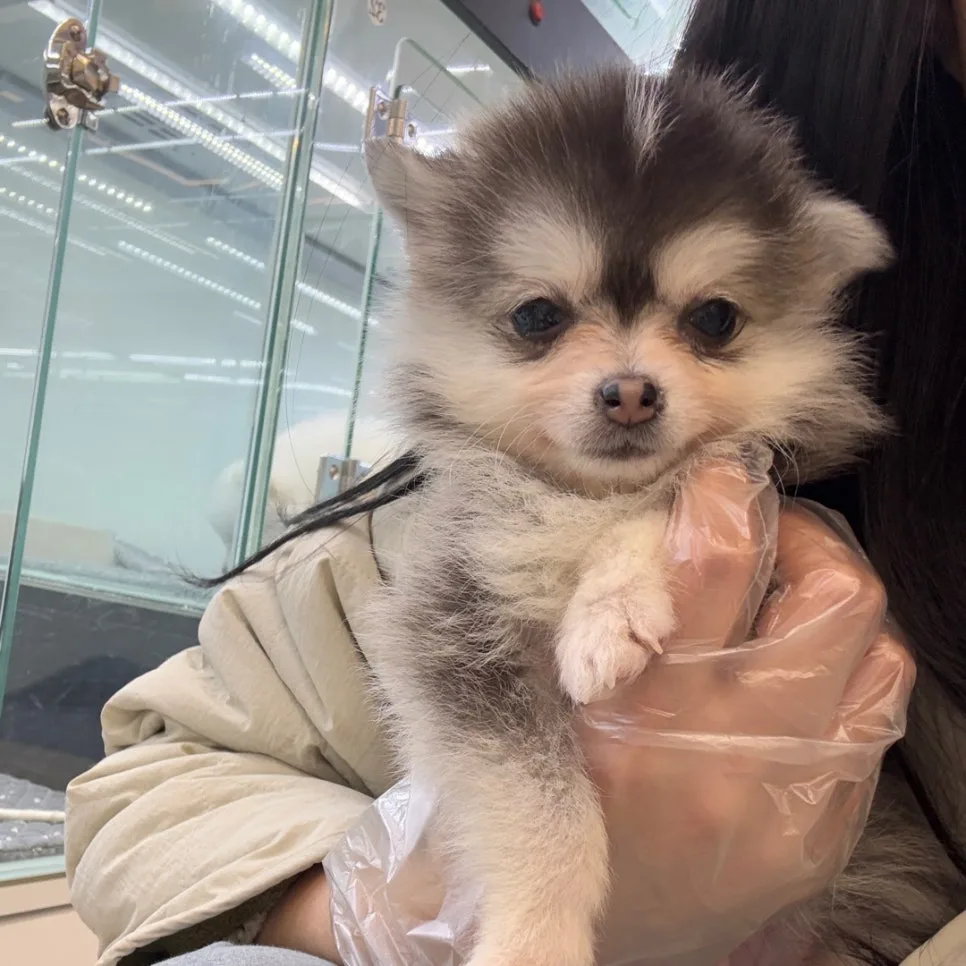
The Pomsky is a captivating hybrid breed, a deliberate cross between the striking Siberian Husky and the small, fluffy Pomeranian. Initially developed through artificial insemination, early Pomskies could range from 20-30 lbs (9-13.5 kg). However, modern breeding trends often focus on producing smaller Pomskies, typically weighing between 7-15 lbs (3-7 kg). This blend offers the Husky's bold facial features and the Pomeranian's adorable, compact size, making them a popular choice for those seeking a unique companion. However, beneath this attractive exterior lies a breed that demands significant owner commitment.
As a Spitz-type dog, Pomskies are known for considerable shedding year-round, with heavier seasonal coat blows. This makes them a challenging choice for owners with severe allergies or those who are meticulous about cleanliness. Daily grooming with a slicker brush is essential to manage their thick double coat and prevent matting. Their erect ears, inherited from their Husky lineage, can make them sensitive to sounds, potentially leading to excessive barking. Early socialization and exposure to various household noises, perhaps using white noise machines or specific sound training for dogs, can help them become more desensitized.
Understanding the Pomsky's Smart, Stubborn Personality
Related Articles
Inheriting the high energy levels of the Husky, Pomskies need ample daily exercise. Without sufficient physical and mental stimulation, they can become restless and destructive indoors, struggling to regulate their emotions. Their intelligence is often paired with a stubborn streak, making consistent training essential. If undesirable behaviors are not addressed early, they can become ingrained and difficult to correct. Establishing clear leadership and consistent discipline from puppyhood is vital. Without proper guidance, they may exhibit dominance behaviors or nipping, which owners must firmly redirect with a clear 'no'.
While many Pomskies are bred to be small, typically weighing between 7-15 lbs (3-7 kg), their adult size can vary. Some may grow larger, reaching up to 30 lbs (13.5 kg). It's important to have open discussions with breeders about the potential growth trajectory of a puppy to ensure it aligns with your living situation and expectations.
What to Consider Before Adopting a Pomsky
Before committing to a Pomsky, thoroughly research the breed's characteristics and honestly assess if they fit your lifestyle and capabilities. Their high exercise needs, significant shedding, and sensitive hearing require a dedicated owner prepared to invest substantial time and effort. While their intelligence is a plus, their potential stubbornness means consistent, positive reinforcement training is key. If the demands of a Pomsky seem overwhelming, exploring other breeds that better match your environment and experience level is a wise decision. A happy, long-term relationship with your pet hinges on making a responsible choice based on accurate breed knowledge.
How to Find a Healthy Pomsky Puppy Safely
To ensure you find a healthy and well-adjusted Pomsky puppy, prioritize reputable and trustworthy breeders or adoption centers. Reputable sources will provide health clearances for the parent dogs and ensure puppies have received adequate socialization and care from their mother for at least eight weeks. Always inquire about health screenings for common genetic issues, including checks for eye conditions and hip dysplasia, and confirm the puppy has received its initial vaccinations and deworming treatments. Ask for documentation of any health tests performed on the parents and the puppy. Many reputable breeders also offer health guarantees and may partner with local veterinarians for post-adoption support. Visiting the breeder's facility in person is highly recommended to observe the puppy's environment and assess its overall health and temperament firsthand.