Thinking about adopting a Papillon puppy in 2026? These charming dogs, known for their distinctive butterfly-like ears and high intelligence, make wonderful companions. Originating from Europe, Papillons have a rich history and are celebrated for their energetic and agile nature. With proper training and care, they can seamlessly integrate into your family, bringing joy and personality to your home.
What Makes Papillon Dogs So Charming?
Papillons boast a history stretching back to the 16th century, initially favored by European aristocracy. Their most striking feature is undoubtedly their large, erect ears, which resemble a butterfly's wings in full flight, earning them their unique name. Beyond their captivating looks, Papillons are renowned for their boundless energy and impressive athleticism, often excelling in dog sports like agility. This high energy means they thrive with daily walks and engaging play sessions to burn off steam. Providing ample opportunities for physical activity is crucial not only for their health but also for their mental well-being, helping to prevent boredom and destructive behaviors.
These activities are key to a happy and well-adjusted Papillon.
Training Your Intelligent Papillon Puppy
Related Articles
Ranking just below Poodles in canine intelligence, Papillons are exceptionally smart dogs, making them highly trainable. This intelligence means they can quickly pick up commands and routines, but also means they can develop undesirable habits if not guided properly. Early socialization and consistent rule-setting, ideally starting from puppyhood (around 2-6 months), are essential. Given their active nature and potential for alertness, introducing them to various sights and sounds—like traffic, bicycles, and different people or dogs—through desensitization training is highly beneficial. This helps them grow into well-adjusted dogs who are less prone to excessive barking or nervousness.
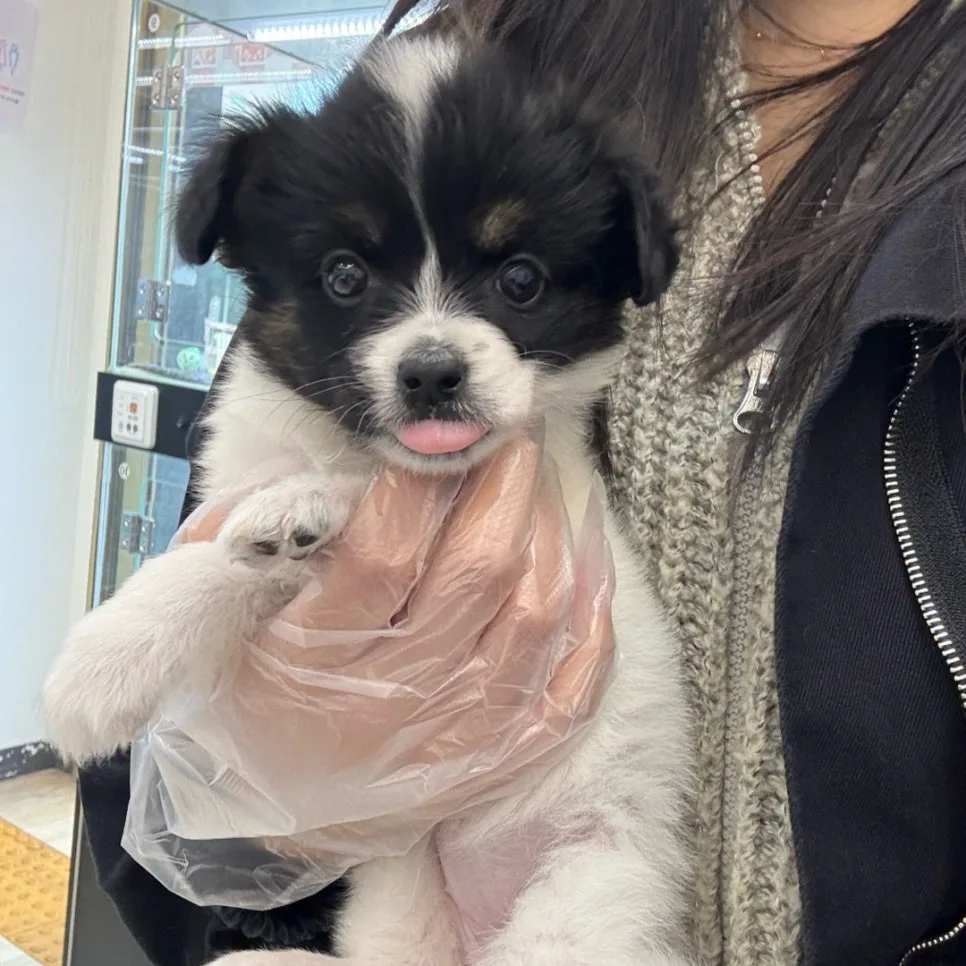
Consistent positive reinforcement and early exposure to grooming routines will make them more comfortable with handling.
Papillon Grooming and Hygiene Essentials
While Papillons are closer to a single-coat breed and don't shed excessively, their long, silky fur can be prone to tangles and matting. Daily brushing is recommended to prevent knots and remove any debris picked up during outdoor adventures. To make grooming a positive experience, start by gently touching different parts of their body and associating brushing with treats and praise. Papillons can also be sensitive to noise, so gradually exposing them to everyday sounds like car horns, doorbells, and even vacuum cleaners can help them develop auditory desensitization. This prevents them from becoming easily startled or anxious. Regular grooming, including baths, brushing, and nail trims, should be introduced early and made a pleasant routine to ensure their comfort and well-being.
Fostering Independence and Social Skills in Papillons
Papillons form strong bonds with their owners and often enjoy spending time cuddling on laps, a trait reminiscent of their aristocratic past. This close connection can sometimes lead to separation anxiety if they are left alone for extended periods. To mitigate this, it's important to encourage independence from a young age through crate training or by gradually increasing alone time. While their affectionate nature is a joy, it's crucial to strike a balance to prevent over-dependence. If you're considering a Papillon, seeking out reputable breeders who prioritize health and proper socialization in a clean environment is paramount. Taking the time for thorough consultation and interaction will help ensure a successful and happy adoption.
For more details, check the original source below.