Thinking about getting a Maltipoo? These adorable hybrid dogs, a mix of Maltese and Poodle, are gaining popularity for their charming personalities and manageable size. While their playful and affectionate nature makes them wonderful companions, understanding their specific care needs, from managing potential shedding to preventing common health issues like luxating patella, is crucial for a happy, healthy life together. This guide provides the latest insights for 2026.
What Makes the Maltipoo Such a Charming Hybrid Dog?
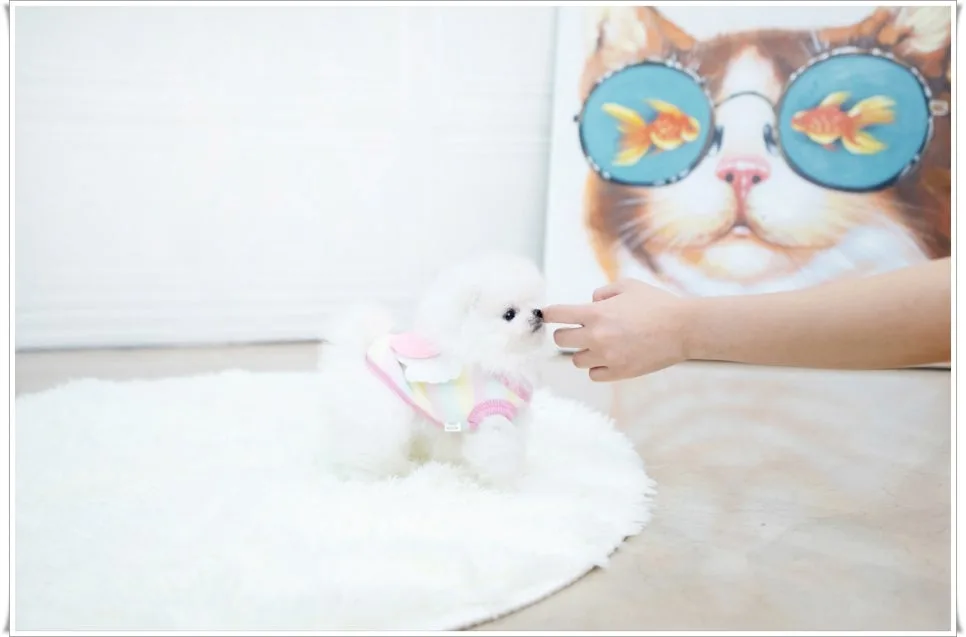
The Maltipoo is a delightful crossbreed that often inherits the best traits from its parent breeds, the Maltese and the Poodle. They typically weigh between 5 to 10 pounds (2.3-4.5 kg), making them a perfect fit for apartment living and smaller homes. Their coat can vary, often appearing as a soft, wavy texture that's a blend of the Maltese's silky fur and the Poodle's curly coat, and comes in a range of colors including white, cream, apricot, and black. Maltipoos are known for their energetic and affectionate personalities, thriving on interaction with their families. Early socialization and consistent positive reinforcement training are key to nurturing their intelligence and building a strong bond. Many Maltipoos available for adoption in the US can be found through reputable breeders or rescue organizations specializing in small breeds.
Maltipoo Temperament and Grooming: What to Expect
Maltipoos often combine the gentle affection of the Maltese with the playful exuberance of the Poodle. This makes them highly social dogs that enjoy being part of family activities. To ensure they develop into well-adjusted adults, it's crucial to focus on socialization during their critical developmental period, typically before six months of age. Exposing them to various sights, sounds, people, and other friendly dogs in a positive way can help prevent shyness or anxiety later in life. Regarding grooming, Maltipoos are often considered low-shedding, especially those with a more Poodle-like coat, which is a significant draw for allergy sufferers. However, some shedding can still occur, particularly during seasonal changes. Daily brushing with a slicker brush is recommended to prevent matting and keep their coat healthy and shiny. Regular professional grooming appointments every 4-6 weeks are also advisable to maintain their coat and check for any skin issues.
Essential Health Care for Maltipoos: Preventing Luxating Patella
Like many small breeds, Maltipoos can be prone to certain health conditions, with luxating patella (a dislocated kneecap) being a common concern. To help prevent this, creating a safe home environment is paramount. Use non-slip rugs or mats on floors to reduce the risk of slips and falls, especially on hardwood or tile. Keep your Maltipoo's nails trimmed and the fur on their paws neat to improve traction. It's also important to discourage activities that put excessive strain on their joints, such as jumping from high furniture. Maintaining a healthy weight through a balanced diet and regular, moderate exercise is crucial, as excess weight puts added stress on their joints. If you notice signs of limping or difficulty walking, consult your veterinarian immediately for diagnosis and treatment options.
Choosing and Caring for Your Maltipoo Companion
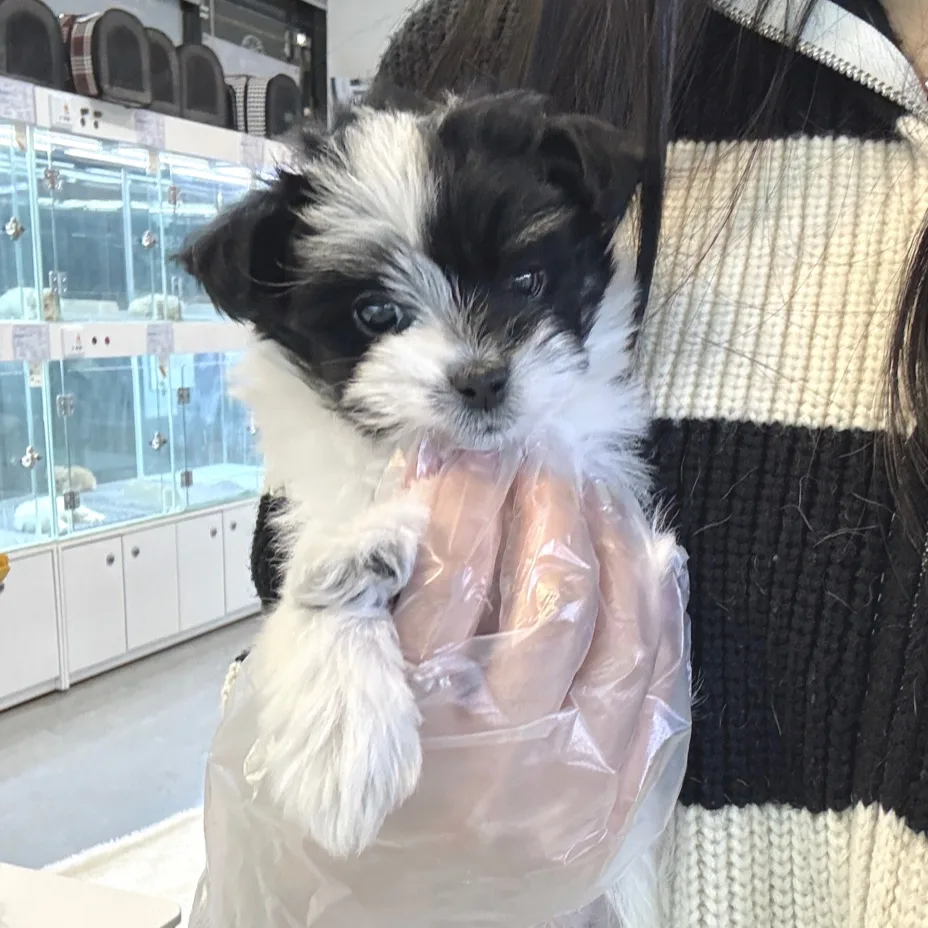
When considering bringing a Maltipoo into your home, it's beneficial to research the temperaments and health histories of the parent breeds. While Maltipoos generally inherit a pleasing combination of traits, individual personalities can vary. Reputable breeders will be transparent about their dogs' health clearances and can provide insights into the puppy's lineage. It's important to select a puppy that appears healthy, alert, and has a confident demeanor. After adoption, establishing a routine that includes regular veterinary check-ups, a nutritious diet, consistent grooming, and plenty of love and attention will ensure your Maltipoo thrives. Remember, responsible pet ownership involves a long-term commitment to your dog's physical and emotional well-being.
For more details, check the original source below.