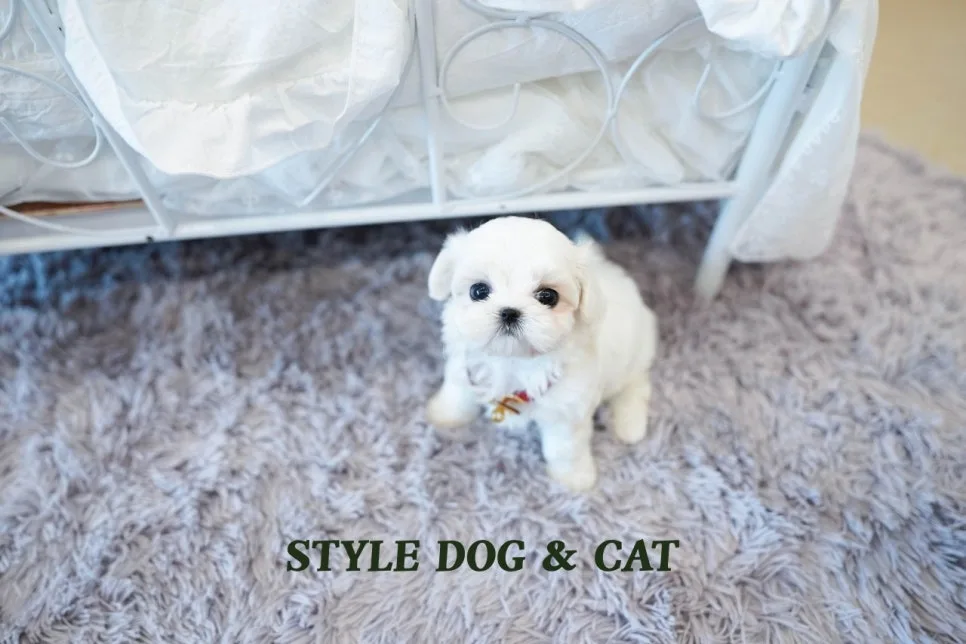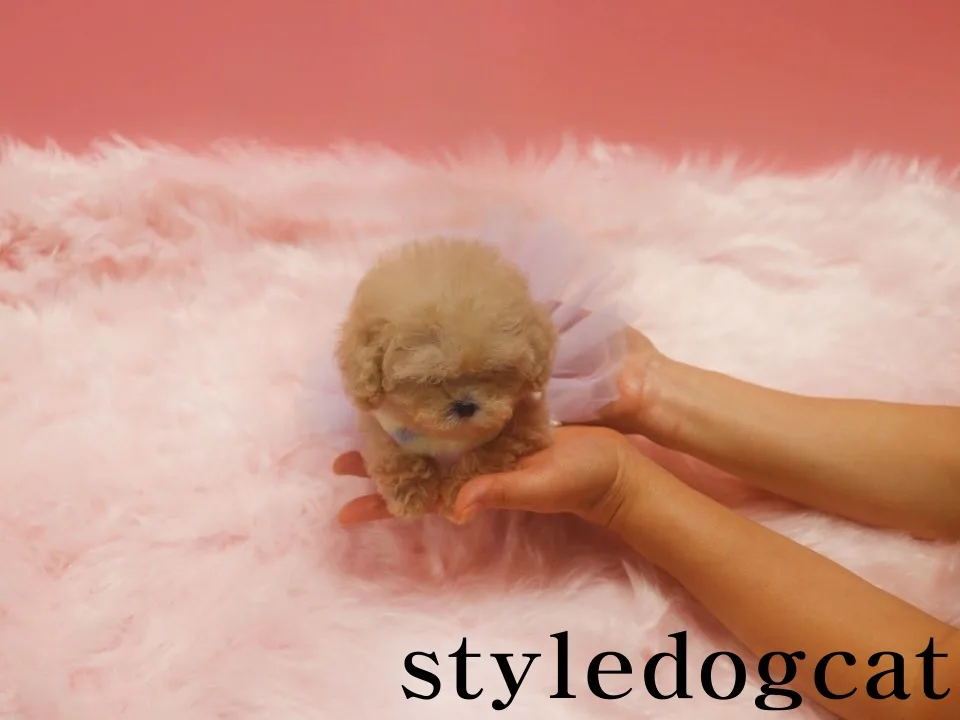
When adopting a Maltipoo in 2026, understanding key health indicators and choosing the right breeder are crucial, whether you're in Seoul or the US. Many overlook the importance of early socialization and consistent health management, which are foundational for a happy, lifelong bond with your new furry family member. This guide bridges the gap between Korean and Western adoption practices to help you find a healthy Maltipoo.
Maltipoo Health Checklist for Korean-Style Adoption
Bringing a new dog into your home is incredibly exciting, but ensuring their health is paramount. Based on experiences from Korean adoption scenes, like those in Hwagok-dong, a thorough pre-adoption health check is essential. Look for signs of eye discharge, nasal congestion, ear infections, or skin issues. Observe the puppy's energy levels – are they playful and curious? Do they eat their food with gusto? While young puppies might occasionally vomit if they eat too quickly, this is often manageable with diet adjustments. However, persistent vomiting or accompanying symptoms like diarrhea or lethargy warrant immediate veterinary attention. In Korea, as in the West, visiting the facility to observe the living conditions and the puppies' general well-being is a critical step.
Choosing a Reputable Maltipoo Breeder: A Global Perspective
Selecting a trustworthy breeder is key to finding a healthy Maltipoo, regardless of location. While some Korean pet shops may house puppies in cramped conditions, potentially causing stress and hindering socialization, responsible breeders prioritize a stimulating environment. Look for facilities that allow puppies to interact with various breeds and people, fostering better social skills. In the US, reputable breeders often offer health guarantees, genetic testing for common breed issues, and provide detailed vaccination and deworming records. Many also offer post-adoption support, such as discounts on grooming or veterinary services, and clear guidance on puppy care. Always inquire about the breeder's return policy and their commitment to the animal's long-term welfare.
Beyond Looks: Key Considerations for Maltipoo Adoption
Maltipoos are adored for their charming looks and intelligent nature, but prospective owners should be aware of their specific needs. Although Maltipoos are considered low-shedding, their coat requires regular grooming to prevent matting and maintain cleanliness. Daily brushing is recommended, and professional grooming every 6-8 weeks is often necessary. These dogs also have a moderate to high energy level, requiring daily walks and playtime to prevent boredom and destructive behaviors. Engaging in these activities not only keeps them physically fit but also strengthens the bond between you and your pet. If distance is a barrier, many US breeders offer safe and reliable transport options, often via specialized pet couriers, after a thorough video consultation to ensure a good match.
Navigating Common Maltipoo Challenges Post-Adoption
One of the most common issues faced by new Maltipoo owners is separation anxiety. This can manifest as excessive barking, destructive chewing, or house-soiling when left alone. To help your Maltipoo adjust, gradually increase the time they spend alone, provide engaging puzzle toys, and establish a consistent routine. Positive reinforcement training is crucial for building their confidence and security. If separation anxiety is severe, consulting a certified professional dog trainer or a veterinary behaviorist can provide tailored strategies. Remember, a healthy pet relationship involves ongoing commitment, patience, and understanding, which can also positively impact your own well-being.
Start your journey with a healthy Maltipoo and build a lifetime of happiness together.