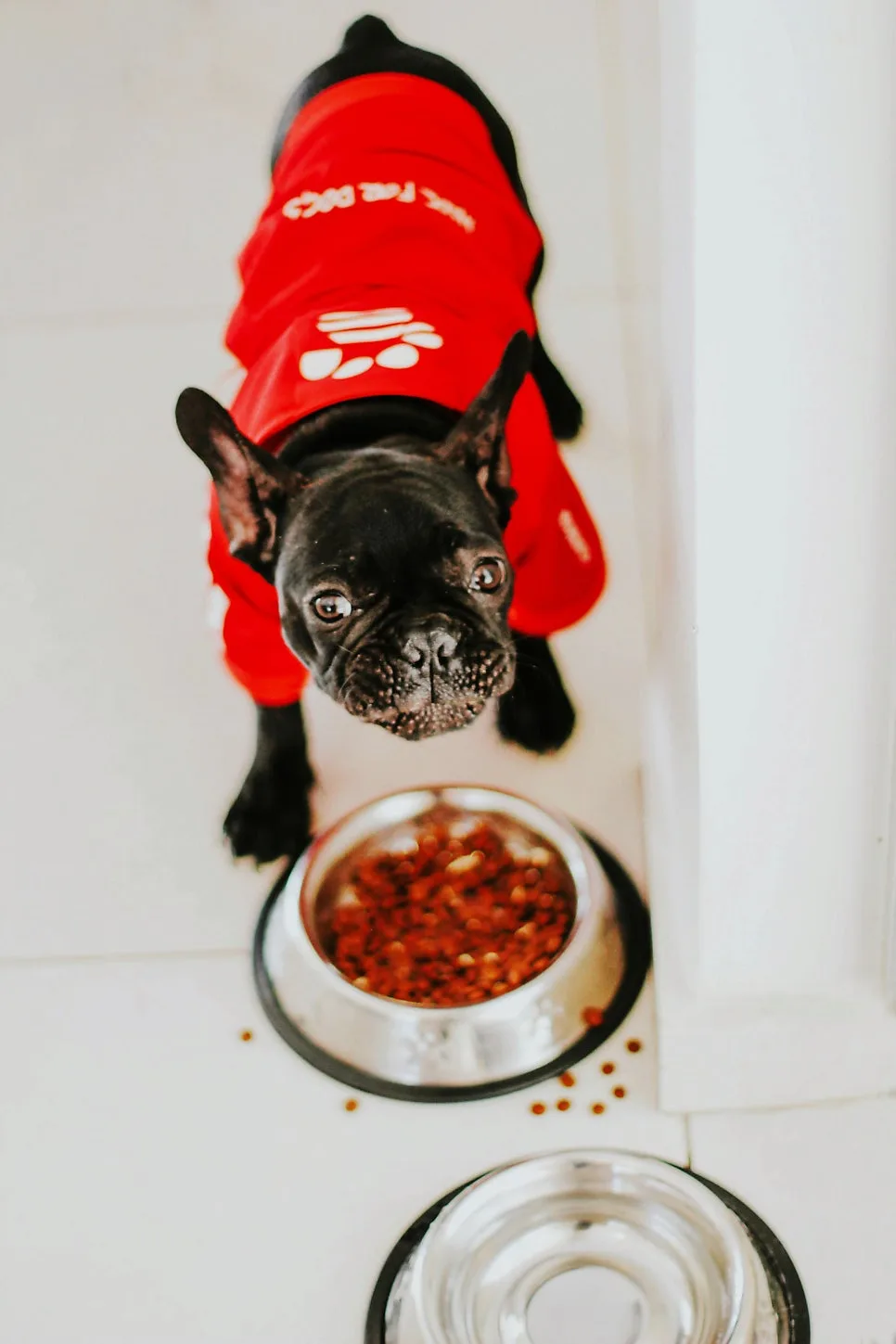
Is your dog refusing to eat their kibble? This isn't just about picky eating; it can signal underlying health issues. This guide, updated for 2026, covers the primary reasons for food refusal in dogs and provides practical solutions, from managing treats to enhancing food appeal and checking their environment. Seek immediate veterinary care if your dog hasn't eaten for over 24 hours, or shows signs of vomiting, diarrhea, or dehydration.
What Are the Specific Reasons My Dog Won't Eat Kibble?
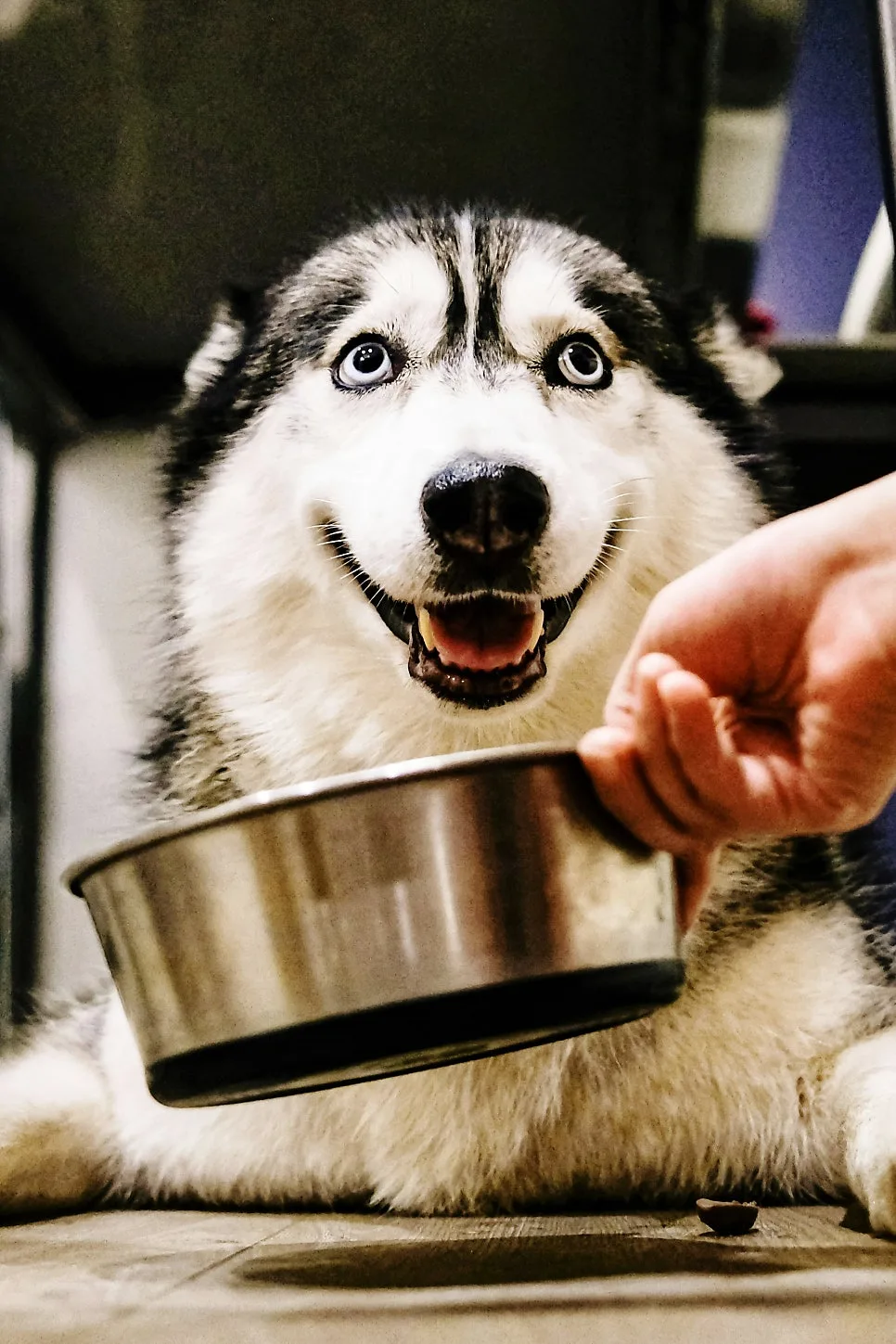
A dog suddenly refusing food can stem from various interconnected causes. One of the most common is the kibble itself – if the new food's smell or texture doesn't appeal to your dog's palate, they might reject it. Overfeeding on treats is another major culprit; the strong flavors and enticing nature of treats can make dogs lose interest in their comparatively bland kibble. Many pet parents find that simply reducing treats significantly increases their dog's kibble intake. Beyond food preferences, environmental changes like moving house, new family members, or reduced walk times can cause stress, leading to appetite loss. Dental issues, such as gum disease or tooth pain, can also make chewing difficult, prompting food refusal. For senior dogs, loss of appetite might indicate digestive problems, infections, or underlying internal diseases, requiring careful observation.
How Can I Help My Dog Regain Their Appetite?
To address your dog's food refusal, first, strictly limit treat intake and establish a consistent feeding schedule, offering food only at designated meal times. If your dog doesn't finish their food within about 15-20 minutes, remove the bowl to reinforce that mealtime is their only opportunity to eat. You can enhance kibble appeal by mixing in a little warm water or low-sodium broth, or by adding a small amount of highly palatable toppers or wet food. However, the ultimate goal is for your dog to eat their kibble on its own. Increasing their physical activity through regular walks and play can naturally stimulate appetite. Even small dogs need at least 20-30 minutes of daily exercise. Ensure a calm and stable feeding environment, free from loud noises or distractions. Also, check your dog's food: stale or rancid kibble can change its smell and taste, leading to refusal. Consider switching to a new, more palatable food if the current one is expired or poorly stored.
When Should I Be Concerned About Food Refusal and Visit the Vet?
While many cases of appetite loss can be resolved with attentive care, certain symptoms warrant immediate veterinary attention. If your dog refuses food for over 24 hours, especially when accompanied by vomiting, diarrhea, or signs of dehydration (like dry gums or lethargy), you must visit an animal hospital promptly. A significant decrease in energy levels, unresponsiveness, or a change in gum color to pale or dark red also requires urgent assessment by a veterinarian. Senior dogs (over 7 years old) are particularly vulnerable; a loss of appetite in older pets can often signal serious internal health issues. It's crucial not to assume your dog is just being picky when they refuse food; it could be a sign of a serious health problem requiring prompt diagnosis and treatment.
What Should I Consider When Changing My Dog's Food?
When switching your dog's food, always check the expiration date and storage conditions of the new kibble to ensure freshness. If your dog is hesitant about a new food, try mixing it with their old food, gradually increasing the proportion of the new food over several days. Another effective method is to slightly moisten the new kibble with warm water or a bit of low-sodium broth to enhance its aroma and palatability. Some dogs may also benefit from a small amount of wet food mixed in. Observe your dog closely during the transition; if they continue to refuse the new food or show any signs of digestive upset, consult your veterinarian for recommendations on alternative brands or formulas that might be a better fit for your dog's dietary needs and preferences.