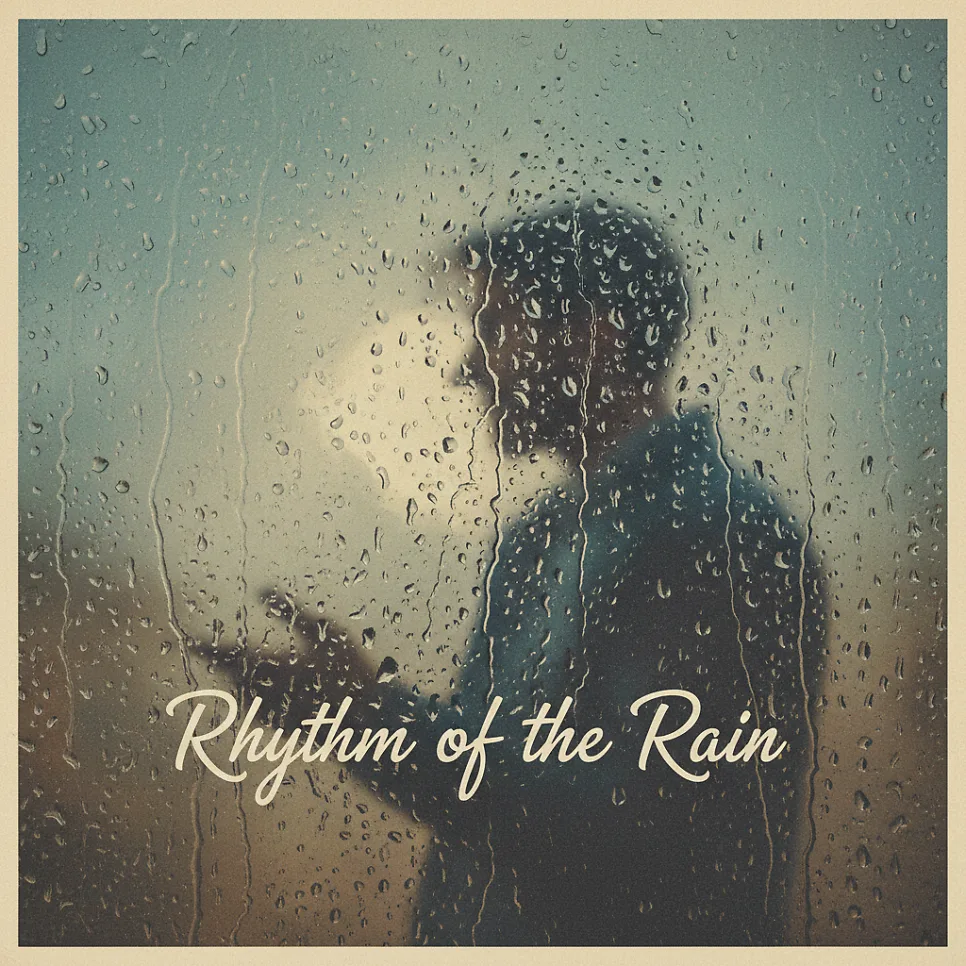
Looking to boost your English skills while enjoying the rainy day vibe? The Cascades' classic hit 'Rhythm of the Rain' offers a unique opportunity to learn English through its poignant lyrics and beautiful melody. This timeless old-pop gem is perfect for immersing yourself in expressive English phrases and enhancing your emotional vocabulary. Make your English studies more engaging and soulful with this beloved song in 2026.
How to Learn English with 'Rhythm of the Rain' on a Rainy Day
The Cascades' 'Rhythm of the Rain' is more than just a song for a gloomy day; it's an excellent tool for English language learners. Analyzing the lyrics can significantly improve your grasp of nuanced English expressions and sentence structures. For instance, the line 'Telling me just what a fool I've been' highlights a moment of realizing past mistakes, using the emphatic structure 'just what a fool I've been' for emphasis. Similarly, phrases like 'I wish that it would go and let me cry in vain' provide practical examples of how to express personal emotions honestly in English. Simply listening to the song and reading along with the lyrics on a rainy day can elevate both your English fluency and emotional intelligence. Many learners find this method sparks their interest in English studies and encourages consistent practice.
Decoding English Expressions in 'Rhythm of the Rain' Lyrics
'Rhythm of the Rain' masterfully portrays the sorrow and longing of a lost love using distinctive English phrasing. Take, for example, 'little does she know,' where the subject and auxiliary verb are inverted for emphasis, a structure less common in everyday speech but powerful for conveying a specific tone. This inversion is a great way to learn less common sentence patterns. Additionally, 'steal my heart away' is an idiomatic expression meaning 'to take my heart,' vividly describing the sense of loss when a loved one leaves. Understanding these idiomatic expressions can greatly enhance your ability to convey emotions richly in English. Beyond literal translation, grasping the context and emotion behind each phrase is crucial for improving not only your English skills but also your cultural understanding.
Expressing Longing for a Lost Love Through Lyrics
In this song, the narrator expresses deep yearning and regret for a departed lover, using the metaphor of rain to convey their feelings. The line 'Rain please tell me now does that seem fair' directly questions the rain, asking if the unfairness of the situation—the lover's departure—is justifiable. This indirectly expresses sadness and a touch of anger effectively. Furthermore, the phrase 'Please ask the sun to set her heart aglow' reveals the narrator's wish for their former love to find happiness, even in their absence. Learning to use such figurative language and indirect expressions can significantly enrich your English communication skills, allowing you to convey complex emotions with greater depth and subtlety.
Key Considerations When Studying Old Pop Song Lyrics
While old pop songs like 'Rhythm of the Rain' are fantastic resources for English learning, it's important to be aware of potential differences from modern English. Language evolves, and some expressions or grammatical structures used in 1960s music might sound dated or be used differently today. For example, the directness and specific phrasing might not always align with contemporary conversational English. Therefore, when studying these lyrics, it's beneficial to cross-reference with modern usage and grammar guides. Focusing solely on the emotional narrative without considering grammatical accuracy could lead to misunderstandings or the adoption of outdated language. A balanced approach, appreciating the song's artistic merit while critically analyzing its linguistic components, will yield the best learning outcomes.
For more details, check the original source below.