Patti Page's "I Went To Your Wedding" is a timeless ballad that captures the complex emotions of attending a loved one's wedding while facing heartbreak. This 2026 guide breaks down the lyrics and offers practical English learning strategies, making this classic song a powerful tool for improving your language skills.
What Are the Lyrics to Patti Page's 'I Went To Your Wedding'?
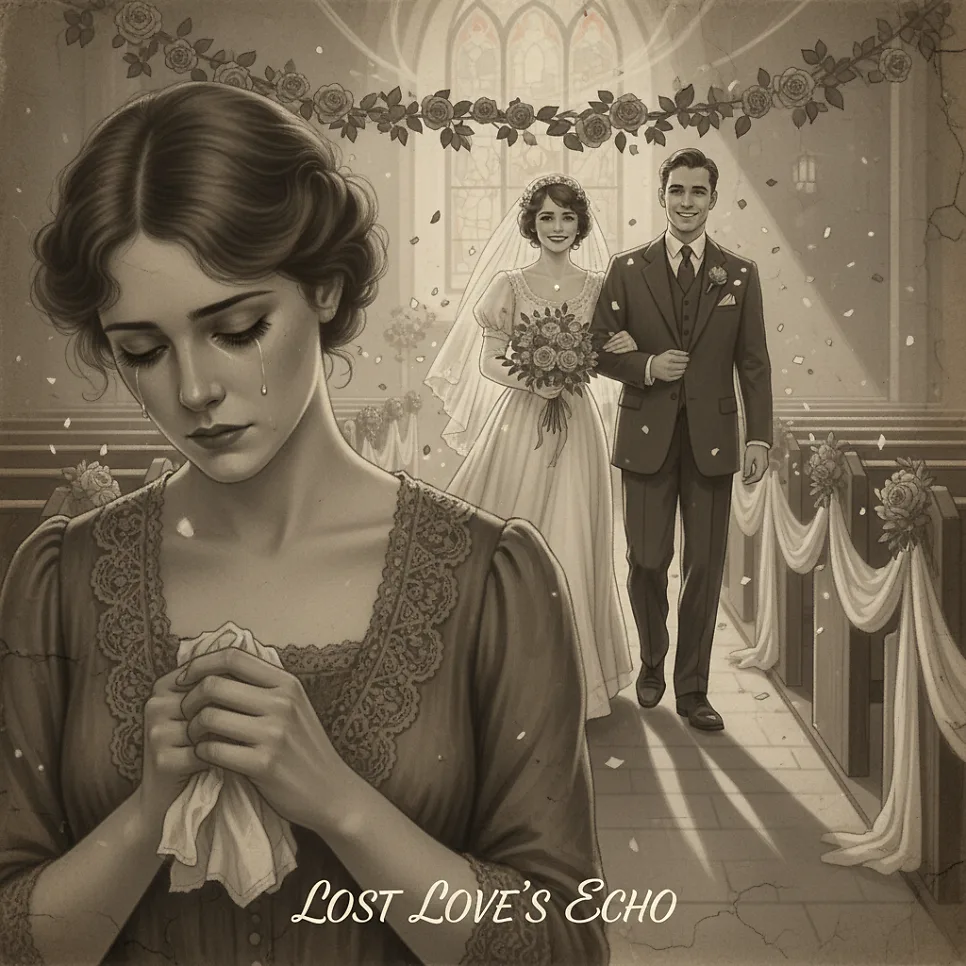
Patti Page's iconic 1952 hit, "I Went To Your Wedding," tells the poignant story of a narrator attending the wedding of someone they deeply love, despite the personal pain it causes. The lyrics paint a vivid picture of a wedding ceremony, juxtaposing the joyous occasion with the narrator's profound sense of loss. Lines like "dreading the thought of losing you" and "my poor heart kept saying, 'Your dreams, your dreams are through'" vividly convey the narrator's despair. The song also describes the bride's beauty – "She came down the aisle wearing a smile, a vision of loveliness" – highlighting the bittersweet contrast between outward celebration and inner sorrow. This song, despite its age, resonates because it taps into universal themes of unrequited love and the pain of separation. Understanding the emotional depth of these lyrics can significantly enhance your appreciation and learning experience.
How Can I Interpret the Lyrics of 'I Went To Your Wedding'?
The lyrical interpretation of "I Went To Your Wedding" centers on the narrator's internal conflict and sorrow experienced at the wedding of their beloved. The opening lines, "I went to your wedding, although I was dreading the thought of losing you," immediately establish the song's central theme: attending a joyous event while grappling with personal heartbreak. The narrator's internal monologue, "Your dreams are through," whispered alongside the organ music, underscores their feeling of finality and loss. This is further emphasized by the line, "I uttered a sigh, whispered goodbye to my happiness," signifying a personal farewell to their own hopes for a future with the person getting married. The poignant observation, "Your mother was crying, your father was crying, and I was crying too. Because we were losing you," extends the narrator's sorrow beyond personal grief, suggesting a shared sense of loss felt by those who also cherished the person getting married. This collective sadness amplifies the song's emotional impact, making it a powerful expression of heartbreak.
How Can This Ballad Be Used for English Study?
Patti Page's "I Went To Your Wedding" offers a fantastic opportunity for English language learners. Start by repeatedly listening to the song to familiarize yourself with pronunciation and intonation, paying close attention to words like "dreading," "uttered," and "whispered." Analyze the sentence structures, particularly the use of conjunctions like "although" and "because," to understand how clauses are connected. Try constructing your own sentences using these grammatical patterns, for example, "Although the weather was bad, we enjoyed the picnic." You can also practice expressing the song's emotions in English: ask yourself, "How did the narrator feel?" and try to answer in full sentences. This active engagement with the lyrics will not only improve your vocabulary and grammar but also your ability to convey emotions effectively in English.
What Should I Be Mindful of When Studying the Lyrics?
When studying the lyrics of "I Went To Your Wedding" for English improvement, it's crucial to go beyond literal translation. Focus on understanding the song's overall context and the emotions conveyed. For instance, "I uttered a sigh" implies more than just a physical act; it suggests deep sadness or resignation. Be aware that song lyrics often employ poetic or colloquial language that might not be suitable for everyday conversation. Phrases like "my poor heart kept saying" are figurative and used for emotional emphasis, not literal description. Additionally, remember that this song originates from the 1950s, so some expressions might differ from modern English usage. Recognizing these nuances will help you gain a deeper understanding of the language and its cultural context, leading to more effective learning.
For a full lyric breakdown and more English learning tips, check the original source.