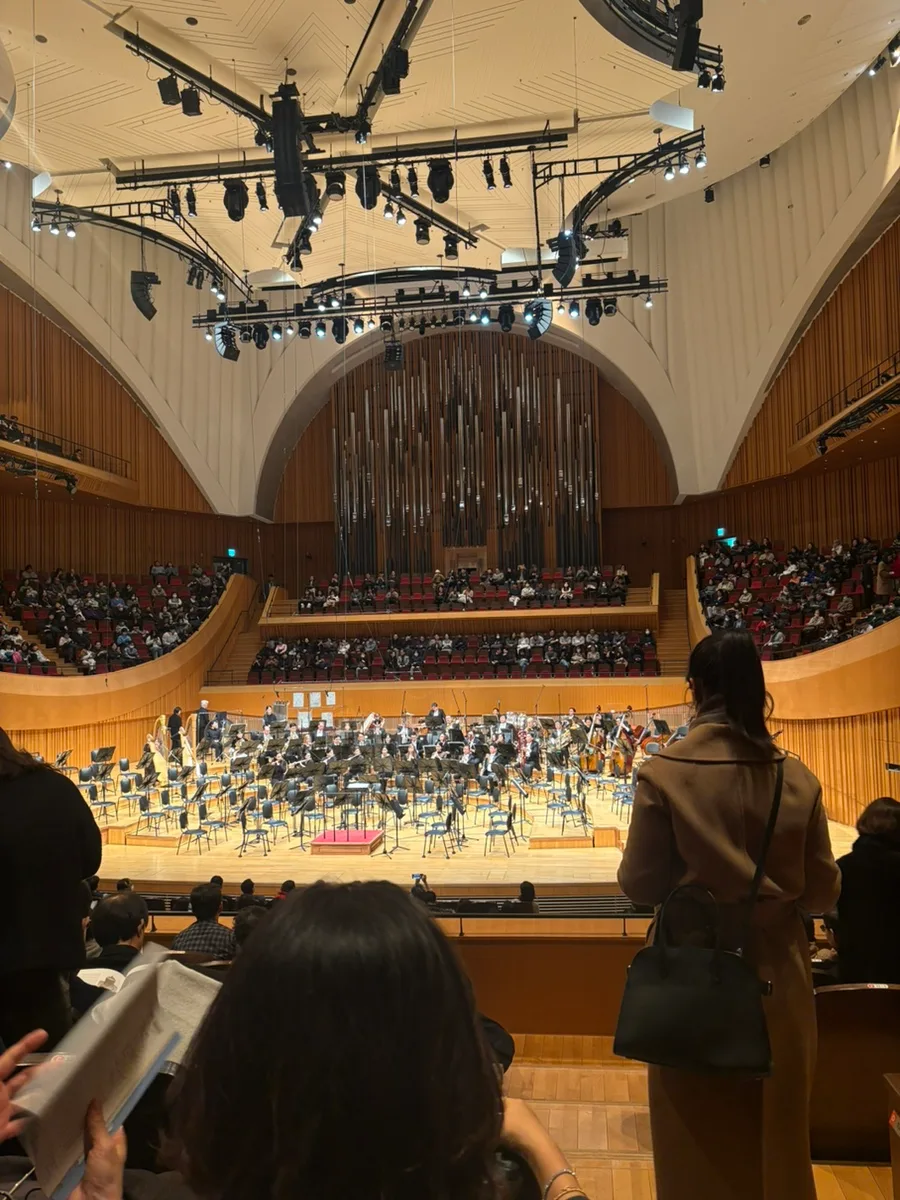
The key takeaway many miss about Mahler's Symphony No. 7 is the importance of 'mental preparation.' Even the most brilliant artistic works can fail to deeply move or comfort us if our mindset isn't ready. This is especially true for pieces like Mahler's Symphony No. 7, often considered challenging.
Why Did Mahler's Symphony No. 7 Fall Short of Expectations?
Attending a performance of Mahler's Symphony No. 7 on February 25, 2026, and not finding the expected comfort is a relatable experience for many art lovers. Mahler's music is renowned for its profound philosophical messages and complex structures, but its impact can vary greatly depending on the listener's current emotional state. Even with prime seating, if your mind is preoccupied with worries, the perceived complexity of the music can become more pronounced, leading to a feeling that it doesn't align with your personal taste. This isn't necessarily a flaw in the artwork itself, but rather a demonstration of how crucial a listener's mental state is to their reception of art. This experience is not unique to me and is often reflected in post-performance reviews.
Why Is 'Mental Preparation' Essential for Appreciating Art?

When engaging with classical music, particularly profound works like those by Mahler, 'mental preparation' is crucial. This goes beyond simply sitting comfortably; it means being in a mental state ready to immerse oneself in the piece and fully absorb its message. Reflecting on past experiences, my most impactful musical encounters have always occurred when I was relaxed and at ease. Conversely, when rushing to a performance, feeling pressured by the cost of expensive seats, or preoccupied with future anxieties, the music often failed to register, becoming a source of stress instead. This highlights that the issue isn't a lack of concentration, but the profound impact of our 'mental state' on our ability to connect with art. Therefore, to truly appreciate works like Mahler's Symphony No. 7, conscious effort is needed to clear the mind and achieve a state of relaxation.
Practical Approaches to Integrating Art into Daily Life
The desire to make art a part of one's life is common, but practical constraints are undeniable. A concert ticket price of around $100-$120 (approximately ₩120,000) can be a significant burden, potentially distorting the art appreciation experience. The pressure to 'get your money's worth' or heightened expectations can create undue stress. To overcome these hurdles and foster a closer relationship with art, consider opting for less expensive seats to increase your frequency of attendance. Reducing smartphone usage and dedicating focused time to art appreciation is also vital. Through these consistent efforts, you can build a foundation for naturally enjoying art in your daily life.
Common Psychological Pitfalls in Art Appreciation and How to Overcome Them
We often fall into unexpected psychological traps when appreciating art. For pieces like Mahler's, where deep emotional resonance is anticipated, the disconnect can be particularly jarring. If you found yourself distracted by everyday worries during a performance, it's a common experience. The key is to understand that these distractions are a natural part of the artistic journey, not a personal failing. Instead of blaming yourself, view these moments as opportunities for growth and learning. By consistently exposing yourself to various art forms and focusing on the process rather than just the outcome, you can cultivate a more fulfilling and resilient approach to art appreciation.
For more details, check the original source below.