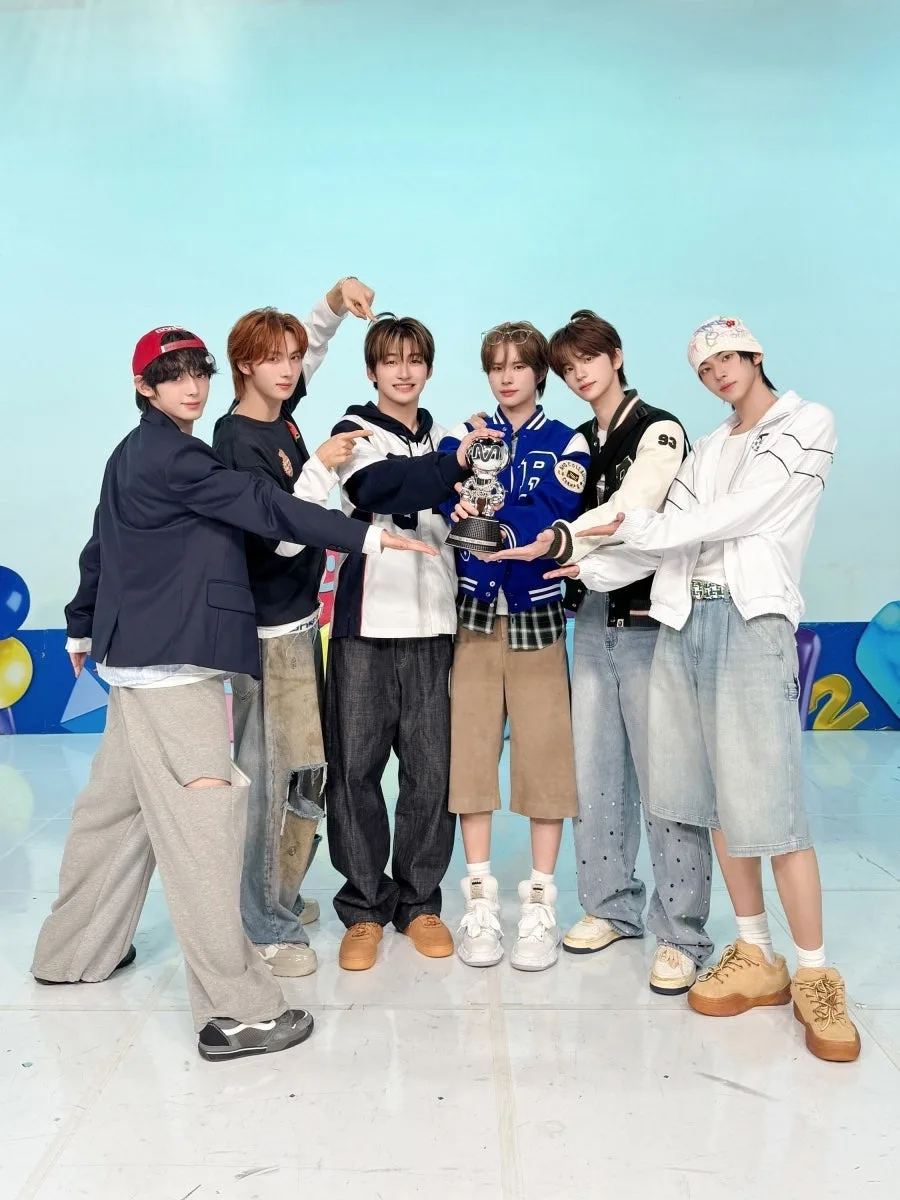
The K-pop fandom economy in 2026 is poised for a significant transformation, reshaping a market valued at approximately $375 million USD. While the anticipated return of 3rd-generation groups like BTS, with potential comeback sales of $410 million USD, and BIGBANG's 20th-anniversary tour aiming for $260 million USD, sparks excitement, the real market shift is driven by evolving fan consumption habits and technological advancements. AI and metaverse technologies are revolutionizing fan experiences, creating a new landscape for engagement and revenue.
How Are AI and the Metaverse Changing K-Pop Fan Experiences?
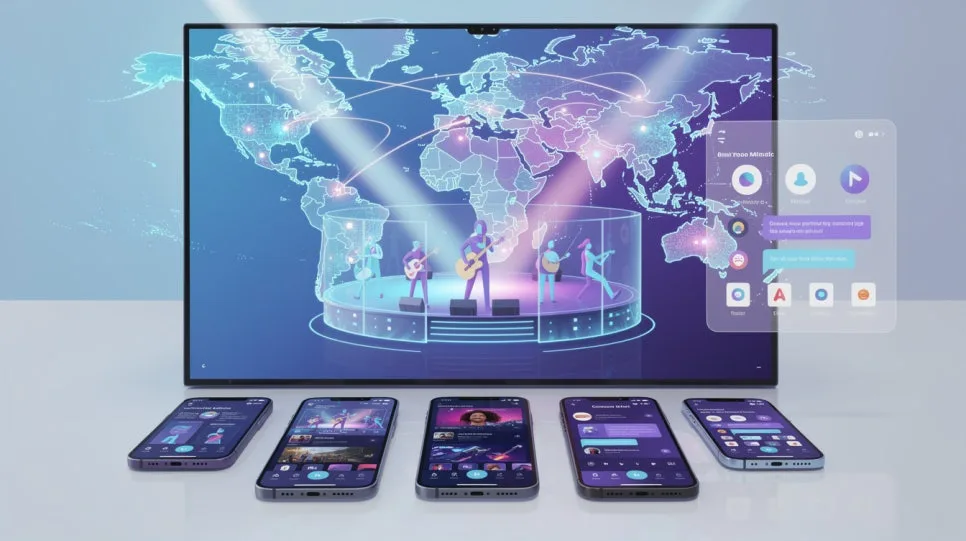
By 2026, AI has evolved beyond simple translation to become a platform for hyper-personalized content creation. Fans can enjoy AI-curated playlists and participate in virtual fan meetings with their favorite idol's avatars. Platforms like HYBE's Weverse leverage fan data to recommend tailored merchandise and videos, boosting fan loyalty. Metaverse platforms are eliminating physical space constraints for concerts, potentially accommodating over a million concurrent viewers compared to tens of thousands for offline events, with significantly lower marginal costs after initial development. However, over 70% of metaverse concert attendees report less satisfaction than offline experiences, suggesting the metaverse will likely serve as a complementary channel rather than a replacement for live shows.
Is the K-Pop Market Undergoing a Generational Shift or Coexistence?
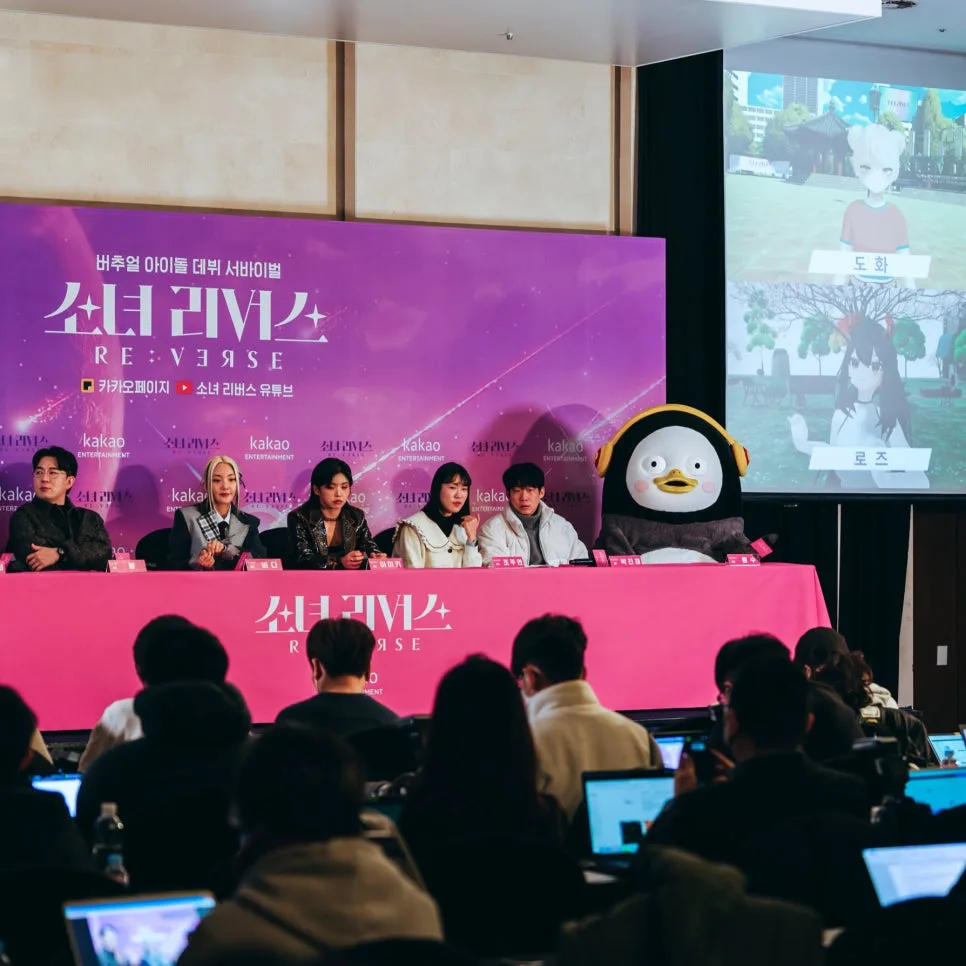
A key question for the 2026 K-pop market is whether the return of 3rd-generation groups will threaten the dominance of 4th-generation acts. However, market segmentation is a more accurate description than generational conflict. 4th-generation groups like Stray Kids and ATEEZ have solidified their global presence, topping charts in markets like Japan during the 3rd-generation hiatus. Meanwhile, 3rd-generation groups are leveraging their 'full group comeback' narrative to rally existing fanbases. 4th-generation groups are actively attracting new, Gen Z fans through TikTok challenges, AI-driven content, localized strategies (HYBE, SM), and global member configurations (JYP). This indicates that rather than dividing the market, new segments are being created for each generation.
What is 'Superfan Economics' and How is it Reshaping K-Pop?
The core driver of the K-pop market's restructuring is 'superfan economics.' The market has shifted to a structure where approximately 10% of the total fandom, the superfans, account for over 60% of revenue. These fans demonstrate immense purchasing power by buying dozens of albums, traveling for global tours, and spending thousands of dollars on limited-edition merchandise. In response, entertainment companies are intensely focusing on superfans by offering differentiated benefits such as VIP memberships, exclusive content, and early access to tickets. However, this superfan-centric consumption model faces ethical scrutiny for potentially encouraging excessive spending. Some fan clubs are initiating 'rational consumption campaigns,' demanding transparency in revenue reporting and ethical marketing from agencies.
What Are the Future Prospects of K-Pop's Globalization and Standardization?
The true achievement of K-pop in 2026 extends beyond revenue growth to the global adoption of the Korean training system, or 'K-DNA.' Audition formats, survival show concepts, and multi-platform content strategies are becoming industry standards for overseas agencies in the US, Japan, and China. The establishment of K-pop specific categories on charts like Billboard and the consideration of a 'Best K-POP Performance' category at the Grammy Awards reflect this elevated status. However, this standardization also risks diluting group distinctiveness. Early 2026 debut groups often follow a similar formula of 'multi-national members + TikTok challenges + metaverse launch,' leading to fan fatigue and comments like 'they all sound the same.' Future K-pop industry challenges will involve maintaining differentiation amidst standardization and fostering authentic fan culture. Therefore, personal fandom activities and consumption patterns may evolve, emphasizing rational spending and ethical fan culture.
English crawl path
Next English reads from this pilot cluster
Continue through the category hub, latest English stories, and related posts so this translated article is not an isolated URL.
Tags
💬Frequently Asked Questions
What should I check first in K-Pop Fandom Economy 2026: AI, Metaverse & Superfans Reshape Market?
Does this Music article link back to the Korean source?
Where can I find similar English stories?
English discovery path
Explore more English K-culture stories
Keep browsing the indexed English pilot cluster so Google and readers can move between this story, the category hub, and fresh discovery pages.
Original Source
Read the Korean original