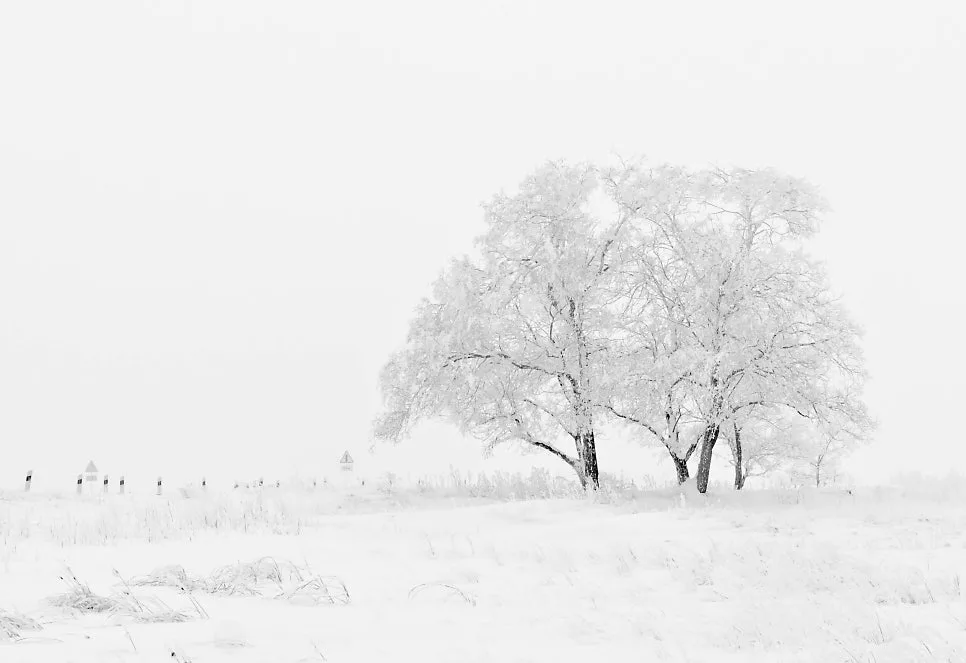
Struggling to describe a winter wonderland in English? Understanding how to express heavy snowfall, snow-covered landscapes, or the cozy, emotional vibe of a snowy day is key for effective communication. This guide breaks down essential English phrases for winter 2026, perfect for using on social media, in conversations, or even when watching your favorite K-dramas.
How to Say It's Snowing Heavily in English
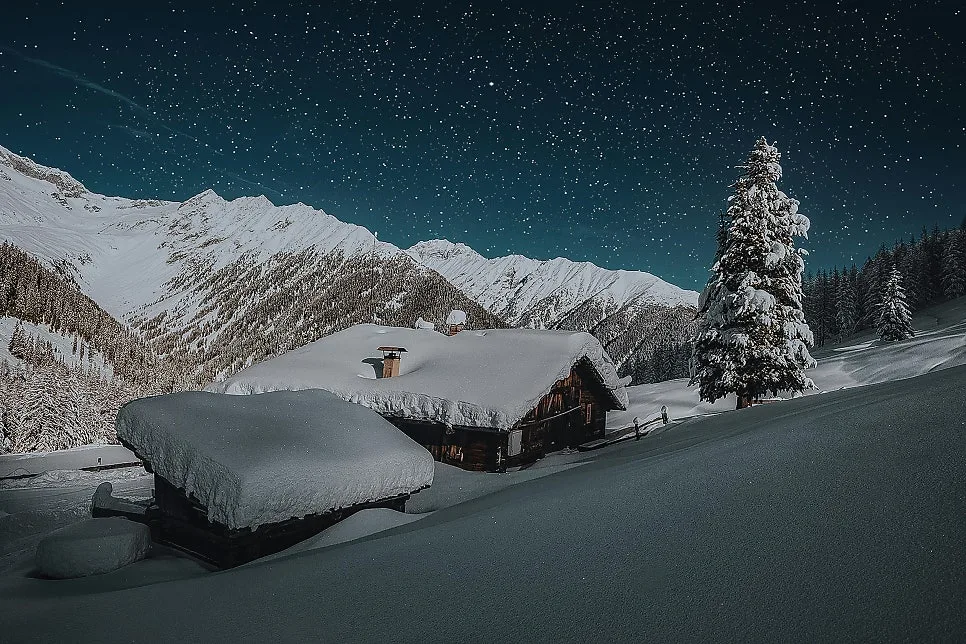
When snow is falling thick and fast, the go-to English phrase is 'It's snowing heavily.' This expression is versatile, moving beyond just stating the weather to hinting at potential impacts. You'll hear it frequently in weather forecasts and casual chats, like 'It’s snowing heavily outside,' which implies potential disruptions. This phrase is crucial for conveying the intensity of the snowfall and its immediate consequences. For instance, you might say, 'The roads are dangerous because it’s snowing heavily,' to warn others, or 'I don’t think I can go out. It’s snowing heavily,' to explain why you're staying in. Mastering 'It’s snowing heavily' allows you to vividly describe various snow-related situations.
Describing Snow-Covered Landscapes with 'Covered in Snow'
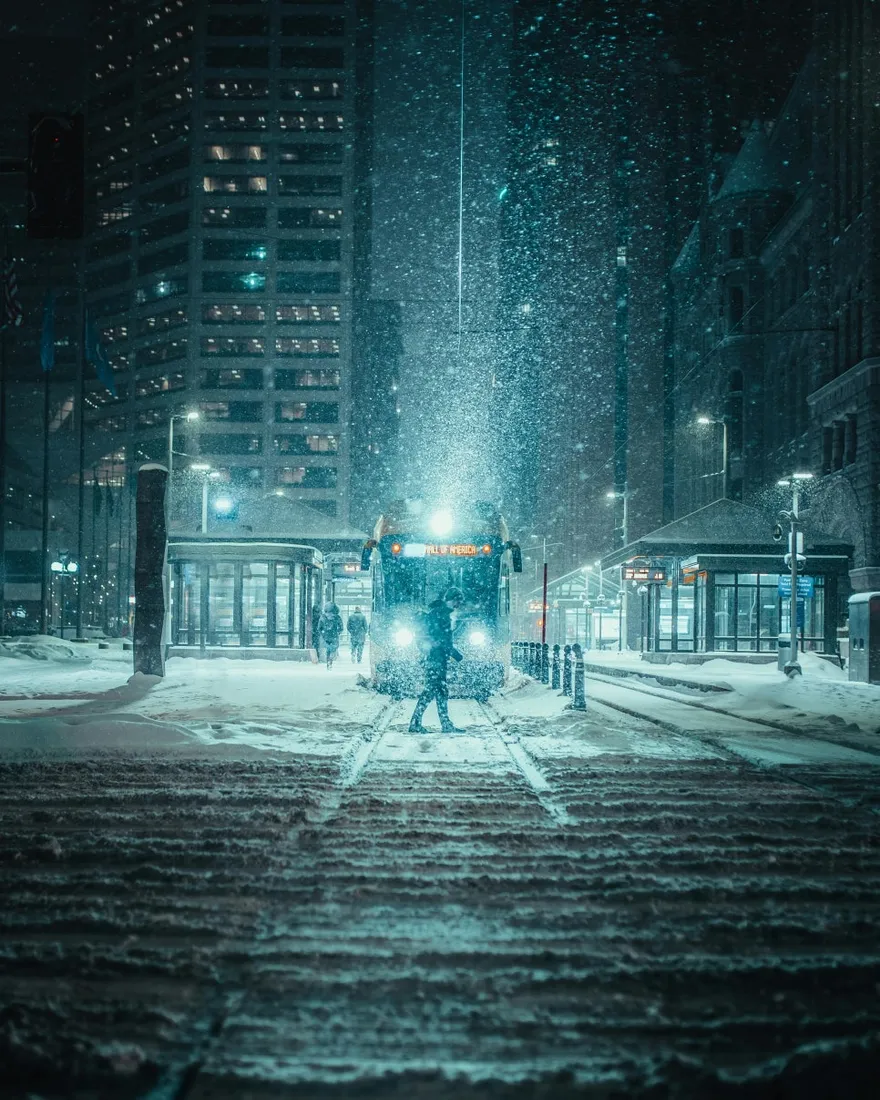
To paint a picture of a landscape blanketed in white, the phrase 'Covered in snow' is your best bet. This expression is ideal for describing the visual beauty of a place after a significant snowfall, making it perfect for photo captions or travelogues. Imagine seeing a breathtaking scene and saying, 'The mountains were completely covered in snow,' to convey their majestic appearance. It’s also useful for describing your surroundings, such as 'Our town looks like a fairy tale, covered in snow.' This phrase effectively captures the serene and often magical transformation that snow brings to the environment, allowing you to share the visual splendor with others.
Capturing the Emotional Vibe: 'A White Winter'
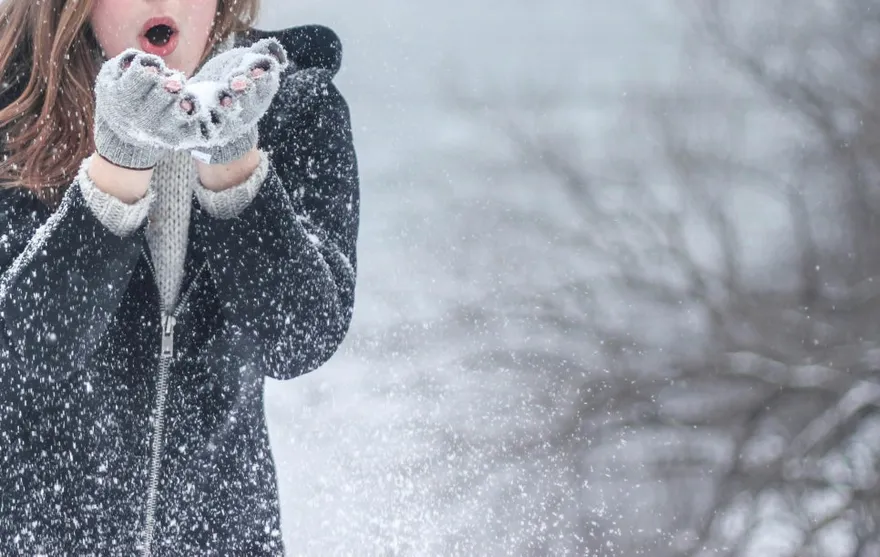
For a more poetic and emotional description of the winter season, 'A white winter' is the perfect phrase. This expression evokes a sense of romance, tranquility, and the unique atmosphere that snow creates. It’s particularly effective for social media posts or personal reflections on the season. You might write, 'I love a white winter' to express your fondness for the cozy, picturesque quality of snowy days. It can also be used to describe a desired or ideal winter experience, like 'I hope we get a white winter this year.' Using 'A white winter' elevates your description beyond mere weather reporting to conveying a feeling and a mood associated with the season.
Understanding the Nuances: When to Use Which Snow Phrase

While all these phrases relate to snow, they each carry distinct nuances. 'It’s snowing heavily' focuses on the ongoing, intense action of snowfall and its immediate effects. 'Covered in snow' describes the resulting state of a landscape after snow has accumulated. 'A white winter' captures the overall mood and emotional atmosphere of a snowy season. By understanding these differences, you can communicate more precisely and effectively. For example, if heavy snow is causing travel issues, you'd say, 'It’s snowing heavily and the roads are dangerous.' If you're admiring a beautiful, snow-laden vista, you might comment, 'The mountains are completely covered in snow. It’s a beautiful white winter.' Practicing these phrases in different contexts will significantly enhance your ability to describe winter scenes and feelings in English.
Frequently Asked Questions About Snow Vocabulary
Learning new vocabulary is a cornerstone of mastering any language. Here are some common questions English learners have about describing snow, along with clear answers to help you communicate more effectively this winter.
For more detailed explanations, explore the original source.





