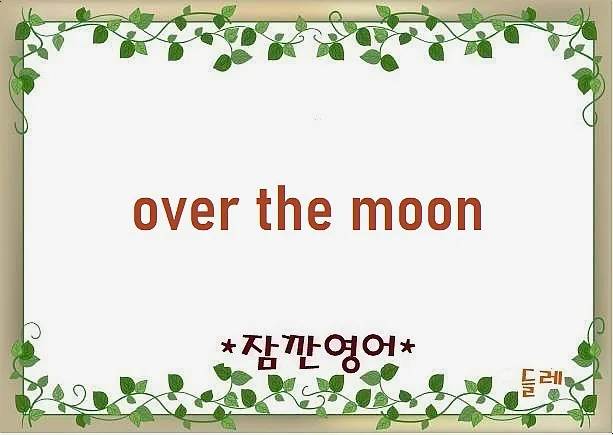
The English idiom "Over the Moon" describes a state of extreme happiness, as if you could jump over the moon. This vivid expression remains incredibly useful for conveying joy in 2026 and beyond. It's perfect for those moments when you're so happy you feel like you're floating.
What Does "Over the Moon" Really Mean?
"Over the Moon" signifies more than just being happy; it represents an overwhelming sense of elation or euphoria, often stemming from unexpected good news or a significant achievement. Think of it as feeling like you're walking on clouds, a joy so profound it makes you lose touch with reality. This phrase is ideal for celebrating major milestones, like finally achieving a long-held goal or realizing a lifelong dream. In 2026, this expression continues to be a powerful way to commemorate those special, unforgettable moments. Using "Over the Moon" effectively amplifies positive emotions and helps share that joy with others.
Where Does the Phrase "Over the Moon" Come From?
The origins of the idiom "Over the Moon" can be traced back to a 16th-century English nursery rhyme titled "Hey Diddle Diddle." The rhyme famously includes the line, "The cow jumped over the moon." This fantastical and surreal image came to symbolize a state of extreme excitement or a joy so immense it could achieve the impossible. Over centuries, this association evolved, and the phrase solidified its meaning as "extremely happy" or "delighted." It's a fascinating example of how folklore and language intertwine and develop over time.
How to Use "Over the Moon" in English Sentences
"Over the Moon" is a versatile idiom used to vividly express happiness in various contexts. For instance, you might say, "I was over the moon when I passed the exam," to convey your immense relief and joy. Similarly, if someone receives fantastic news, like landing their dream job or getting engaged, you could describe their state as being "over the moon." It's particularly effective when the happiness is a result of something unexpected or particularly desired. For example, "She’s over the moon about her new car" highlights her extreme delight with her recent purchase. This phrase adds a colorful and emphatic touch to everyday conversation, making your expressions of happiness more impactful.
When Should You Use "Over the Moon"?
This expression is best reserved for moments of significant joy and excitement. It's perfect for celebrating major life events such as getting married, having a baby, achieving a major career goal, or receiving unexpected good fortune. For K-culture fans, imagine the feeling of getting front-row tickets to your favorite K-pop concert or hearing your favorite K-drama has been renewed for a new season – those are definitely "Over the Moon" moments! While it's a strong expression, it's widely understood and used in casual English conversation. Avoid using it for minor happiness, like finding a parking spot, to maintain its impact.
For more details, check the original source below.