Learning English through Korean media like EBS Power English scripts offers a unique advantage for US learners. The 'Culinary School' episode, for instance, dives into practical phrases such as 'burn the midnight oil' and 'have a lot on your plate,' which are incredibly useful for understanding the demanding lives of students and busy professionals alike. By engaging with these authentic scenarios, you can significantly boost your English fluency and comprehension.
What Are the Key English Phrases from the 'Culinary School' Script?
The EBS Power English 'Culinary School' script vividly portrays Owen's struggles with late-night studying and a packed schedule. Phrases like 'burn the midnight oil' perfectly capture the essence of working or studying late into the night, a common experience for many students. Similarly, 'have a lot on your plate' effectively describes being overwhelmed with numerous tasks and responsibilities. These expressions resonate deeply with learners, especially those juggling academic or professional commitments. The script also introduces 'keep (one’s) head above water,' emphasizing the importance of perseverance through difficult times, a valuable lesson for anyone facing challenges.
How Can You Effectively Use Korean Scripts for English Learning?
Related Articles
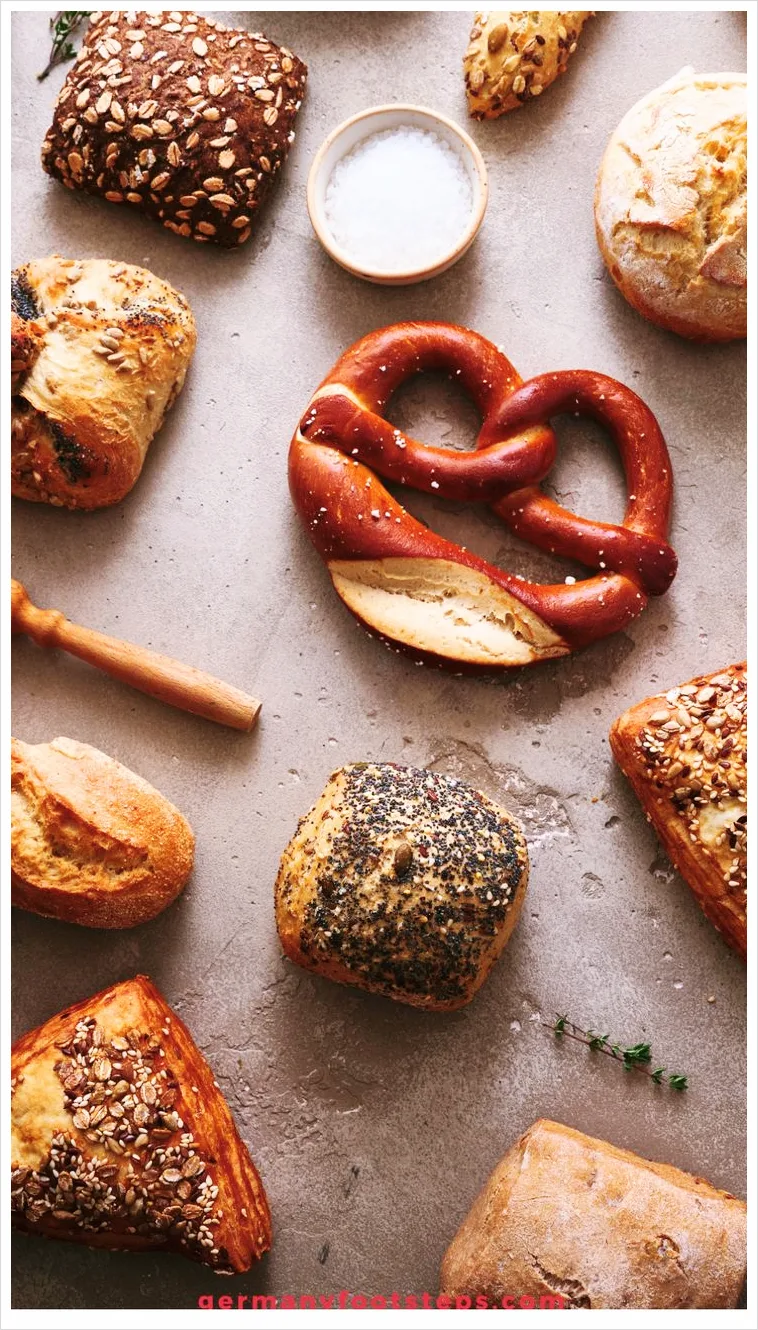
To maximize your learning from EBS Power English scripts, go beyond passive reading. Engage actively by practicing role-playing the dialogues with a study partner or by reading aloud to refine your pronunciation and intonation. For key phrases like 'burn the midnight oil' or 'have a lot on your plate,' try creating your own sentences based on personal experiences. This active recall significantly strengthens memory retention. Furthermore, supplementary content, such as the 'Full Guide To German Bread!' mentioned in the script, can broaden your understanding of related topics. As many learners find, watching content without subtitles can accelerate progress by immersing you in an authentic English environment, similar to watching popular shows like 'Friends' without aids.
What Should You Be Cautious of When Studying EBS Power English Scripts?
When studying EBS Power English scripts, it's wise to focus on the most impactful phrases rather than trying to memorize every single word. Remember that even native English speakers don't understand every utterance. If you encounter challenging accents or expressions, like those sometimes found in British English, don't hesitate to use English subtitles for clarification. Understanding concepts like 'understatement' can also enhance your grasp of cultural nuances. Critically, be aware of the tendency to rationalize watching TV in your native language as 'studying.' True language acquisition requires consistent exposure and practice in the target language. Dedicate time each week, even on weekends, to immerse yourself in English-speaking environments.
In What Situations Are EBS Power English Scripts Most Useful?
The EBS Power English 'Culinary School' script is highly beneficial not just for culinary students but for anyone navigating a demanding schedule. The phrase 'have a lot on your plate' aptly describes situations where one juggles multiple responsibilities, whether it's a professional handling several projects or a student balancing coursework and a part-time job. Similarly, 'burn the midnight oil' is perfect for describing those intense periods of late-night work or study before a deadline. Mastering these expressions allows you to articulate your circumstances more precisely and effectively in English, making your language learning journey more relevant to your real life.
For more details, check the original source below.