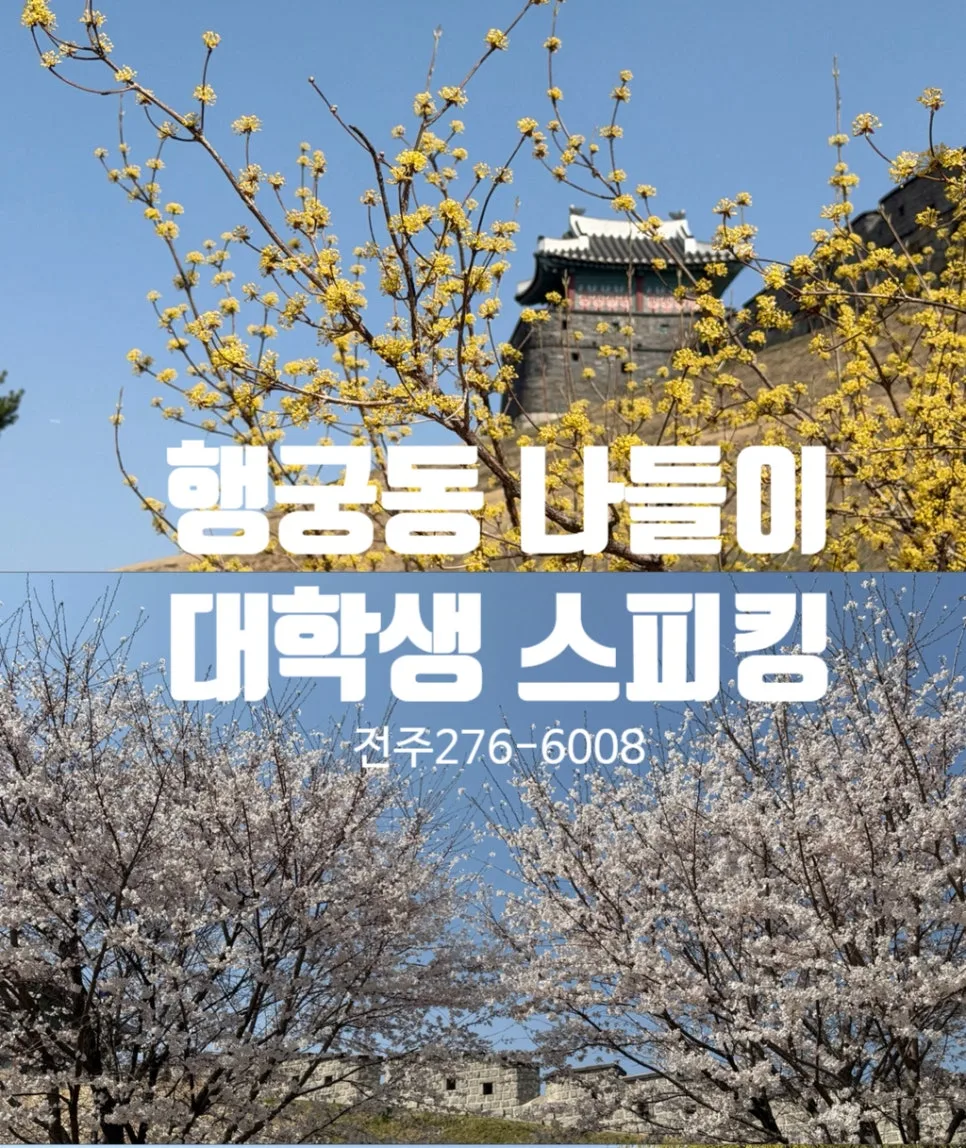
Mastering the English past tense is crucial for sharing your experiences, and this guide uses a recent trip to Suwon's Haenggung-dong during cherry blossom season as a practical example. By detailing a personal outing, you can learn how to accurately describe past events, a key skill for any Korean language learner aiming for fluency in 2026.
How to Describe Past Experiences in English
Last Wednesday, I traveled back to my hometown, Suwon, for the first time in a month. I had a wonderful time with my mother, visiting a new bakery in Haenggung-dong. Discovering a new branch of a favorite bakery is always exciting, and finding delicious new pastries brings me immense joy. When expressing these personal experiences in English, it's vital to convey them clearly using the standard Subject-Verb-Object structure. For instance, stating 'I went to Suwon' uses the simple past tense to clearly indicate a past event, making your narrative easy to follow for English speakers.
Expressing Beautiful Past Moments in English
The cherry blossoms in Haenggung-dong were absolutely stunning that day. The weather was perfect for a stroll, and I took many photos capturing their beauty. I truly love spring for the opportunity to walk outdoors. Simply spending the day with my mother filled me with happiness. To describe past situations like the weather or your feelings, using the past tense of the 'be' verb ('was'/'were') is effective, as in 'The cherry blossoms were beautiful' or 'The weather was good.' Similarly, using the past tense of regular verbs, like 'I took pictures,' adds specific detail about actions completed in the past.
Avoiding Past Tense Errors in English Diary Entries
One of the greatest benefits of keeping an English diary is the natural practice it provides for constructing past tense sentences. However, misusing past tenses can lead to misunderstandings. For example, writing 'I visit a new branch' might be interpreted as a current action. Therefore, accurately using past tense verbs is essential for clearly communicating past experiences. Remember that the past tense of 'visit' is 'visited,' and the past tense of 'go' is 'went.' Also, be mindful of the difference between general present truths and specific past events; 'I love finding new bread' expresses a current preference, while 'I loved finding new bread' refers to a past feeling. Choosing the correct tense based on context is key.
Additional Tips for Practicing English Past Tense
Mastering past tenses is a significant step in English conversation, especially when recounting travel memories or special occasions. Beyond memorizing verb conjugations, actively creating sentences based on your real experiences is crucial. For instance, 'I watched a movie with my friend yesterday' or 'I had dinner with my family last weekend' are practical examples. Consistent practice in describing various personal events in the past tense will build your confidence and fluency. Tailor your practice to your own life and preferences to make the learning process more engaging and effective.
English crawl path
Next English reads from this pilot cluster
Continue through the category hub, latest English stories, and related posts so this translated article is not an isolated URL.
Tags
💬Frequently Asked Questions
What should I check first in Master English Past Tense: Korean Language Guide 2026?
Does this Language Learning article link back to the Korean source?
Where can I find similar English stories?
English discovery path
Explore more English K-culture stories
Keep browsing the indexed English pilot cluster so Google and readers can move between this story, the category hub, and fresh discovery pages.
Original Source
Read the Korean original





