Struggling to speak Korean despite studying? Learn to communicate confidently with practical, real-world phrases at a welcoming language center designed for US learners. This guide focuses on building conversational fluency, not just memorizing grammar.
Why Can't I Speak Korean After Studying?
Many learners hit a wall: they study Korean diligently but freeze up when trying to speak. This often stems from a lack of real-world practice and a disconnect between textbook phrases and everyday conversation. Simply memorizing vocabulary and grammar rules isn't enough; you need consistent exposure and opportunities to actually *use* the language. This is where dedicated conversational practice comes in, bridging the gap between passive knowledge and active communication. Think of it like learning to swim – you can read all the books, but you won't learn until you get in the water.
How Does Real-World Korean Conversation Practice Differ?
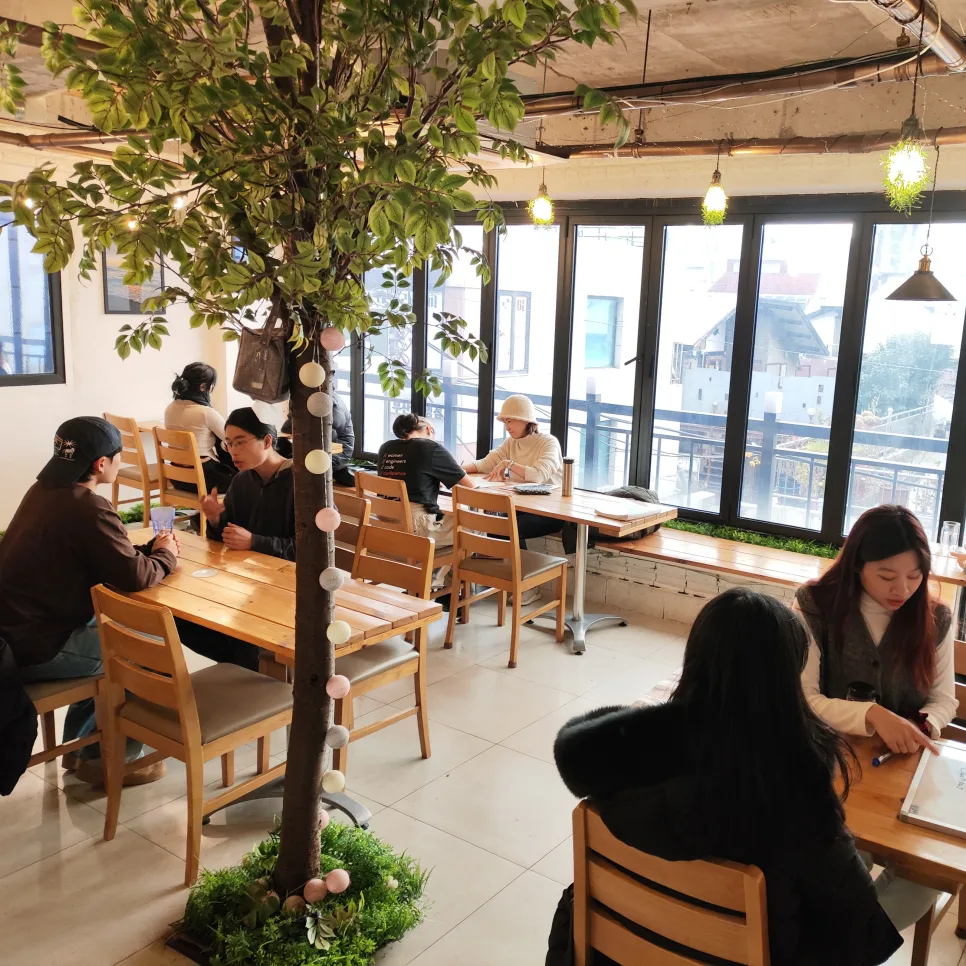
Unlike traditional classrooms, effective Korean language learning for Americans focuses on creating an immersive, low-pressure environment. Imagine a comfortable, cafe-like setting where you can chat naturally with native speakers. The key is to practice speaking from day one, even with mistakes. Instead of immediate corrections, the focus is on understanding your intent and guiding you towards natural phrasing. This approach builds confidence, making you less afraid to try new words and sentence structures. It's about making communication the priority, not perfect grammar from the start. For example, instead of just learning '안녕하세요' (Annyeonghaseyo - Hello), you'll learn variations and follow-up questions used in real interactions.
What Are Essential Korean Phrases for Daily Use?
Beyond textbook greetings, mastering everyday Korean involves learning phrases that native speakers use constantly. For instance, when agreeing enthusiastically, you might hear '정말요!' (Jeongmallyo! - Really!) or '대박!' (Daebak! - Awesome!/Amazing!). To express being busy, instead of a literal translation, Koreans often say '과제 때문에 정신이 없어요' (Gwajae ttaemune jeongsin-i eopseoyo - I'm swamped with assignments). Phrases like '이거 완전 물건인데?' (Igeo wanjeon mulgeon-inde? - This is a game changer!) are common when impressed by something. Learning these colloquialisms makes your Korean sound more natural and helps you understand native speakers better, especially when watching K-dramas or interacting with Korean friends.
How Can Learning Korean Improve Your College Experience?
Actively practicing Korean can significantly enhance your college life, especially if you interact with international students or plan to study abroad. Imagine confidently striking up conversations with exchange students, making them feel welcome and forging new friendships. This improved communication can also boost your participation in Korean language or cultural classes, leading to better academic performance. Beyond academics, the confidence gained from mastering a new language often translates into other areas of your life, improving social interactions and overall self-esteem. It opens doors to understanding Korean culture more deeply, from music and film to daily life.
What's the Key to Improving Your Korean Speaking Skills?
The core of improving your Korean speaking ability lies in consistent, practical application. This means actively seeking opportunities to use the language, even if it's just for a few minutes each day. Embrace making mistakes as a natural part of learning; it's better to try and err than to stay silent. Focus on communicative learning – engaging in actual conversations rather than just drills. Resources like Talk To Me In Korean (TTMIK) offer structured lessons, while apps like Duolingo provide daily practice. For advanced learners, preparing for the TOPIK (Test of Proficiency in Korean) can provide a clear goal and motivation. Ultimately, consistent practice in a supportive environment is crucial.
For more details, check the original source below.