In everyday English conversation, 'I'm off to' is a casual way to say you're leaving soon, often used right before you depart. 'I'm heading to' is used while you are already in transit, emphasizing your current direction or destination. Mastering these subtle differences can make your Korean language learning journey smoother and your spoken Korean sound more natural.
Understanding 'I'm Off To~': When to Use It in 2026
In adult English conversation classes, 'I'm off to~' is a very casual and light expression used right before you depart for an activity. It signals that you're about to leave. For instance, when heading home after work, you might tell colleagues, "Yeah, I’m off to home." If you're going out for lunch, you can say, "I’m off to grab lunch." Before meeting a friend, you could mention, "Sure, I’m off to meet a friend now." Or when heading to the gym, "Can’t talk now, I’m off to the gym." This phrase is perfect for everyday, informal situations and helps learners sound more like native speakers.
Using 'I'm Heading To~': Clarifying Direction While Traveling
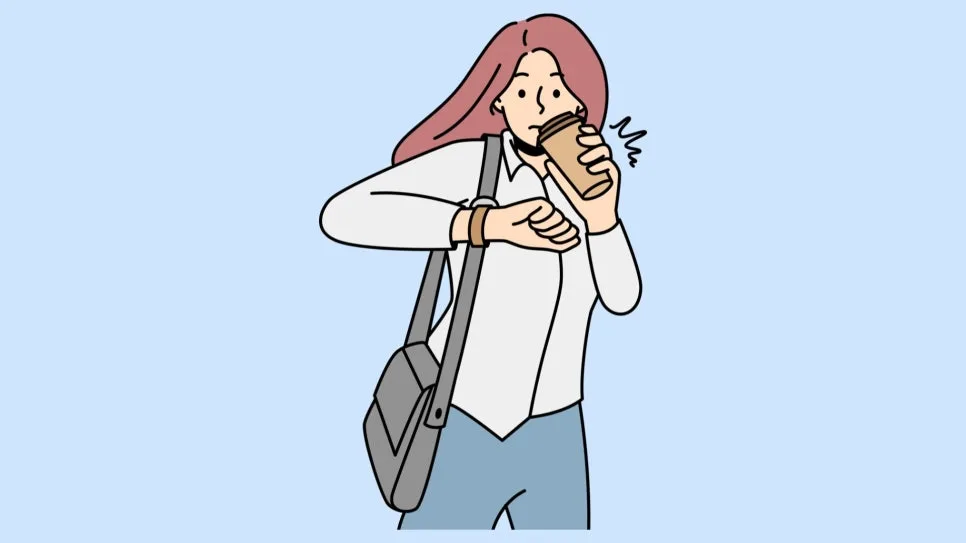
'I'm heading to~' is used when you are already in motion and want to more clearly emphasize your current direction or destination. For example, if you're on the phone explaining your location to a friend, saying "I’m heading to the office." clearly indicates you are on your way there. If you're going to a friend's house, you might say, "Yeah, I’m heading to your place now." This phrase is also useful when discussing travel plans, like "I’m heading to Busan tonight." When en route to a cafe for a meeting, you could text, "Cool, I’m heading to the cafe now." This expression focuses more on the ongoing journey and the intended destination.
Key Differences Between 'I'm Off To' and 'I'm Heading To'
The primary distinction between these two phrases lies in the context and the nuance they convey. 'I'm off to~' is typically used just before departure, carrying a light and casual sense of "I'm leaving now." In contrast, 'I'm heading to~' is used while you are already traveling and serves to explain your current direction or destination more descriptively. For example, saying "I'm off to the store" as you walk out the door implies "I'm going to the store now." However, if you say "I'm heading to the store" to someone while you're already on your way, it means "I'm currently on my way to the store." The nuance shifts based on the timing of its use.
Tips for Using English Phrases and Avoiding Misunderstandings
While both phrases are incredibly useful in everyday spoken English, it's important to use them appropriately for the situation. Using 'I'm off to~' in a very formal or official setting might sound too casual. Conversely, using 'I'm heading to~' right at the moment of departure could feel slightly awkward. For instance, if you're on your way to an important meeting at the office, "I'm heading to the meeting" is generally more suitable than "I'm off to the meeting." These expressions are primarily used in spoken language; written contexts often call for different phrasing. Practicing with various example sentences will help you integrate them naturally into your conversations.
Keep up the great work! To learn more English expressions, check out ACE Adult English Conversation classes.





