Are you a nurse concerned about communicating with international patients? This guide, written by an ER nurse, breaks down essential English phrases for real-life medical scenarios and offers a proven learning strategy. Mastering practical English is crucial for nurses dealing with a diverse patient population, ensuring clear and timely communication in critical situations.
Why Practical English Conversation Skills Are Essential for Nurses
In critical care settings, every second counts and can directly impact a patient's life. When dealing with international visitors or patients, language barriers can lead to unexpected misunderstandings or delays. To overcome these challenges and provide more professional, prompt patient care, I decided to focus on learning practical, scenario-based English conversation. My goal wasn't just everyday chat; it was to acquire expressions immediately applicable in a real medical environment. My experience with 1:1 customized lessons at Yeriel English (Sejong branch) perfectly met this need, offering a focused approach that goes beyond basic language skills.
How to Start Learning Medical English Tailored for the Healthcare Setting
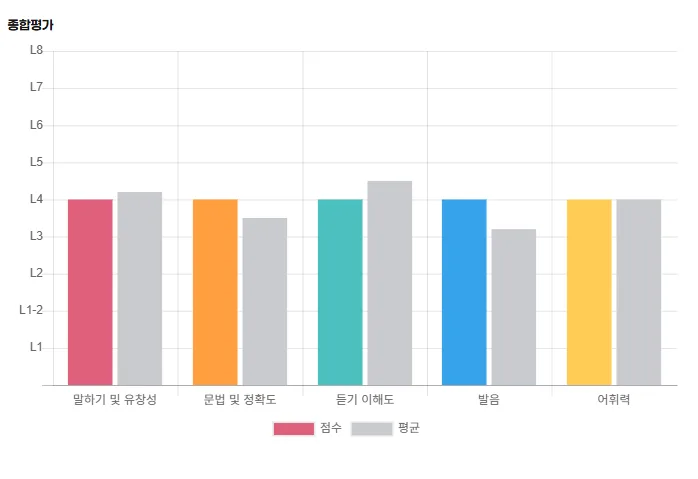
Before my first session, an 'English In-Body' assessment helped pinpoint my strengths and weaknesses. While I had a solid grasp of vocabulary and grammar, my ability to recall and articulate phrases in real-time conversation was slow, and my sentence structures were often too simple. Based on this, I prioritized improving my clarity of communication and the speed at which I could develop my thoughts in English, rather than aiming for perfect fluency. I focused on learning expressions for common medical situations—like asking about a patient's condition, providing waiting time updates, or explaining basic symptoms—and practiced combining them to build practical application skills. This method of reconstructing real-life scenarios in English proved highly effective for my learning.
Enhance Your Speaking Skills with Structured Feedback
One of Yeriel English's standout features is the detailed feedback provided after each lesson. My instructor meticulously pointed out incorrect expressions and suggested more natural alternatives. This feedback wasn't a one-off; it was integrated into subsequent lessons through review and connection, ensuring I maintained learning momentum. They identified my recurring speech patterns and grammatical errors, helping me refine my language use. This cumulative feedback has become the foundation for my more confident communication. It’s a structured approach that helps solidify learning and build confidence.
Responding to International Patients: No More Fear
Now, when international patients or visitors approach me, I can respond confidently without feeling flustered. The biggest change is my ability to express my thoughts without hesitation, even if I don't use perfect sentences. The 1:1 customized lessons allowed me to focus on specific scenarios relevant to my work, and the flexibility to adjust lesson times around my rotating shifts was a major factor in my consistent progress. Thanks to repeated practice and my instructor's systematic guidance, I can now naturally use the expressions I've learned when facing international patients. I've realized that effective practical English conversation hinges on consistent repetition and building confidence. For anyone whose profession demands English communication skills, I highly recommend this learning approach.
For more details, check the original source below.