Suddenly need to speak Korean for work or travel, not just for study abroad? Online Korean classes offer a flexible and efficient way to boost your conversational skills quickly. Focus on practical speaking speed and connection, rather than just grammar, to see real progress in weeks.
Why Online Korean Classes Work for Urgent Needs
Sometimes you need to speak Korean for a job opportunity, a sudden trip, or a personal project, not just for formal study abroad programs. In these situations, a broad approach to learning Korean can be inefficient. Online Korean classes are perfectly suited for these 'urgently needed' scenarios. They allow you to learn from anywhere, saving valuable commute time and fitting seamlessly into a busy schedule. This focus on immediate, practical speaking ability is a key advantage. While self-study can easily be postponed, the structured nature of online classes, especially with a live instructor, helps maintain motivation and turn intention into action.
Assess Your Korean Skills: The 'Korean InBody' for Learners
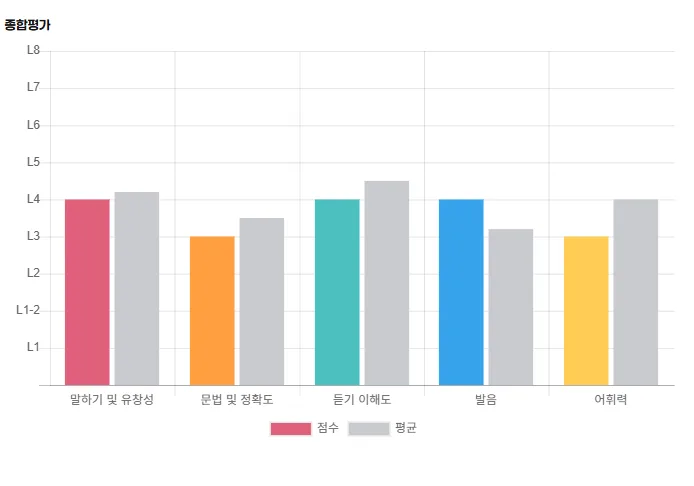
Before diving into any Korean language study, it's crucial to understand your current strengths and weaknesses. Think of this as a 'Korean InBody' scan. This initial assessment should go beyond just vocabulary or grammar knowledge. It needs to objectively evaluate how quickly you can start speaking, your ability to elaborate on a simple sentence, and your skill in connecting ideas during a conversation. For instance, I realized my biggest hurdles were my slow speaking initiation and my difficulty in adding descriptive details. This self-awareness allowed me to tailor my learning, focusing on activating my speaking skills and improving conversational flow, rather than getting bogged down in less critical areas.
Effective Scheduling for Online Korean Classes
Relying solely on motivation isn't enough to maintain consistency, especially when learning Korean for urgent needs. A clear schedule is essential, particularly if your daily routine is unpredictable. I found success by blocking out specific times in my planner for Korean classes. Instead of aiming for an overwhelming number of sessions, I focused on a realistic, achievable frequency. This approach shifts the mindset from 'I'll study when I have time' to 'I will study at this specific time.' Since online classes eliminate travel time, you can often start immediately after work or other commitments, making it easier to stick to your plan and see tangible progress.
What to Focus On (and What to Drop) in Online Korean Classes
In the past, I'd try to tackle grammar, vocabulary, and listening all at once when restarting my Korean studies, often leading to burnout. This time, guided by my 'Korean InBody' assessment, I adopted a strategy of dropping what wasn't immediately essential. I identified habits that hindered my conversational flow, such as hesitating too long before speaking, starting sentences too broadly, or giving overly brief answers. 1:1 online Korean classes were invaluable for pinpointing and correcting these specific issues. This focused approach, prioritizing immediate conversational needs over a broad, shallow understanding, proved far more effective and less stressful than my previous attempts.
Weeks of Progress: Prioritizing Response Speed Over Fluency
After several weeks of focused online Korean study, the most significant improvement wasn't necessarily a dramatic increase in overall fluency, but a noticeable boost in my response speed. Previously, I'd often get stuck trying to formulate the perfect sentence, delaying my speech. Now, I can start speaking with shorter phrases and elaborate as I go, making conversations flow more naturally. This improvement is particularly evident in real-time interactions with native speakers. While my grammar might not be perfect, the ability to respond without excessive hesitation and to add context has been the most practical benefit. For anyone needing to learn Korean quickly for specific situations, improving this 'response speed' is a game-changer.
For more details, check the original source below.