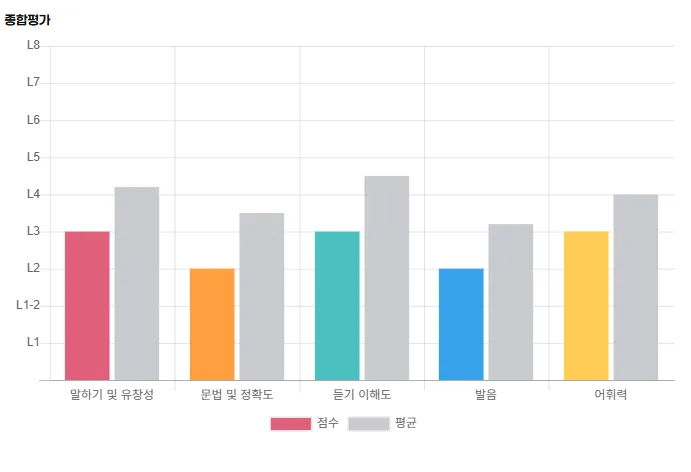
For US learners aiming to master the Korean language, understanding the learning path from basic Hangul to conversational fluency is key. While Korean dramas and K-pop can be great motivators, a structured approach is essential for rapid progress. This guide outlines the typical timeline and effective strategies, including free resources and the benefits of personalized learning, to help you achieve Korean fluency by 2026.
Why is Learning Korean So Popular in the US?
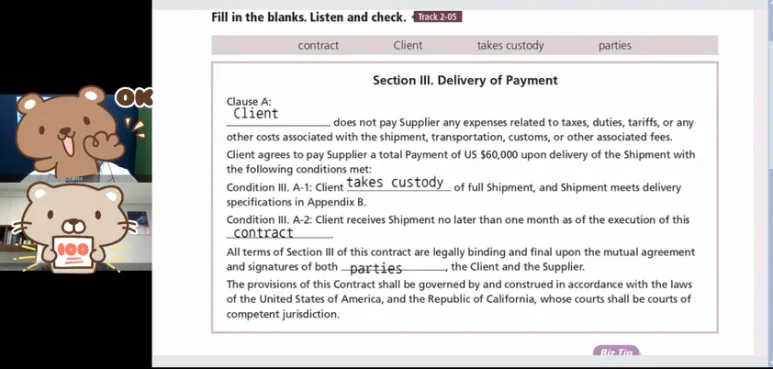
The global phenomenon of Hallyu, or the Korean Wave, has significantly boosted interest in learning the Korean language among Americans. Driven by the massive popularity of K-dramas on platforms like Netflix and K-pop groups such as BTS and BLACKPINK, many fans are eager to connect with the culture on a deeper level. This goes beyond just enjoying content; it's about understanding lyrics, dialogue, and cultural nuances. For instance, learning basic Korean phrases can transform watching a K-drama from a passive experience into an interactive one, allowing for a richer appreciation of the storyline and characters. The accessibility of learning resources, from free apps like Duolingo to comprehensive online courses like Talk To Me In Korean (TTMIK), makes starting your Korean language journey easier than ever. Many learners find that understanding Hangul, the Korean alphabet, is surprisingly quick, often taking just a few days, which provides an immediate sense of accomplishment and momentum.
What's the Fastest Way to Learn Korean?
The fastest way to learn Korean involves a structured, multi-faceted approach that prioritizes consistent practice and immersion. Most learners can grasp Hangul, the Korean alphabet, within 3-7 days, which is a crucial first step. Following this, focusing on basic phrases and common expressions for about a month will build a foundational vocabulary. To achieve conversational fluency within 6-12 months, consistent daily practice is essential. This includes dedicating time to listening comprehension (through K-dramas, K-pop, or podcasts), speaking practice (language exchange partners, tutors, or self-talk), reading (webtoons, simple articles), and writing (journaling, social media comments). Utilizing free resources like Duolingo for vocabulary and grammar, TTMIK for structured lessons, and Anki for spaced repetition flashcards can significantly accelerate your progress. For those serious about formal proficiency, preparing for the TOPIK (Test of Proficiency in Korean) can provide clear goals and benchmarks.
What Are the Benefits of 1:1 Korean Language Tutoring?
Opting for 1:1 Korean language tutoring offers distinct advantages, especially for US-based learners who may have limited opportunities for in-person immersion. A personalized learning plan tailored to your specific goals—whether it's understanding K-pop lyrics, preparing for a trip to Seoul, or achieving a certain TOPIK score—ensures efficient use of your study time. Tutors can provide immediate, detailed feedback on pronunciation, grammar, and word choice, helping you correct mistakes before they become ingrained habits. This is particularly valuable for mastering the nuances of Korean honorifics and speech levels, which are critical for polite communication. Furthermore, a dedicated tutor can help you transition from passive knowledge ('knowing' Korean words) to active usage ('speaking' Korean confidently), bridging the gap often experienced by those who only study through apps or textbooks. This focused attention accelerates the learning curve and builds confidence for real-world conversations.
What Are Common Mistakes for Korean Language Beginners?
Beginners learning Korean often make a few common mistakes that can hinder progress. One of the most significant is neglecting Hangul, the Korean alphabet, and trying to rely solely on Romanization. While Romanization can be a temporary crutch, it's inaccurate and limits your ability to read and pronounce Korean correctly. Mastering Hangul early on is surprisingly achievable and unlocks authentic pronunciation. Another common pitfall is treating Korean like English, expecting a direct word-for-word translation or similar grammatical structures. Korean grammar, including sentence structure (Subject-Object-Verb) and the extensive use of particles, is fundamentally different. Finally, many learners are hesitant to speak due to fear of making mistakes. However, consistent speaking practice, even with errors, is crucial for developing fluency. Embracing mistakes as learning opportunities, perhaps by practicing with a language exchange partner or tutor, is vital for overcoming this hurdle and making tangible progress in your Korean language journey.
For more insights into learning Korean, check the original source below.





