
Mastering the Korean language opens doors to understanding K-dramas, K-pop, and Korean culture on a deeper level. This guide breaks down 7 essential English phrases with direct Korean translations and US-centric usage examples, perfect for beginners aiming for conversational fluency by 2026.
What's the English for 'Shoulder the burden' in 2026?
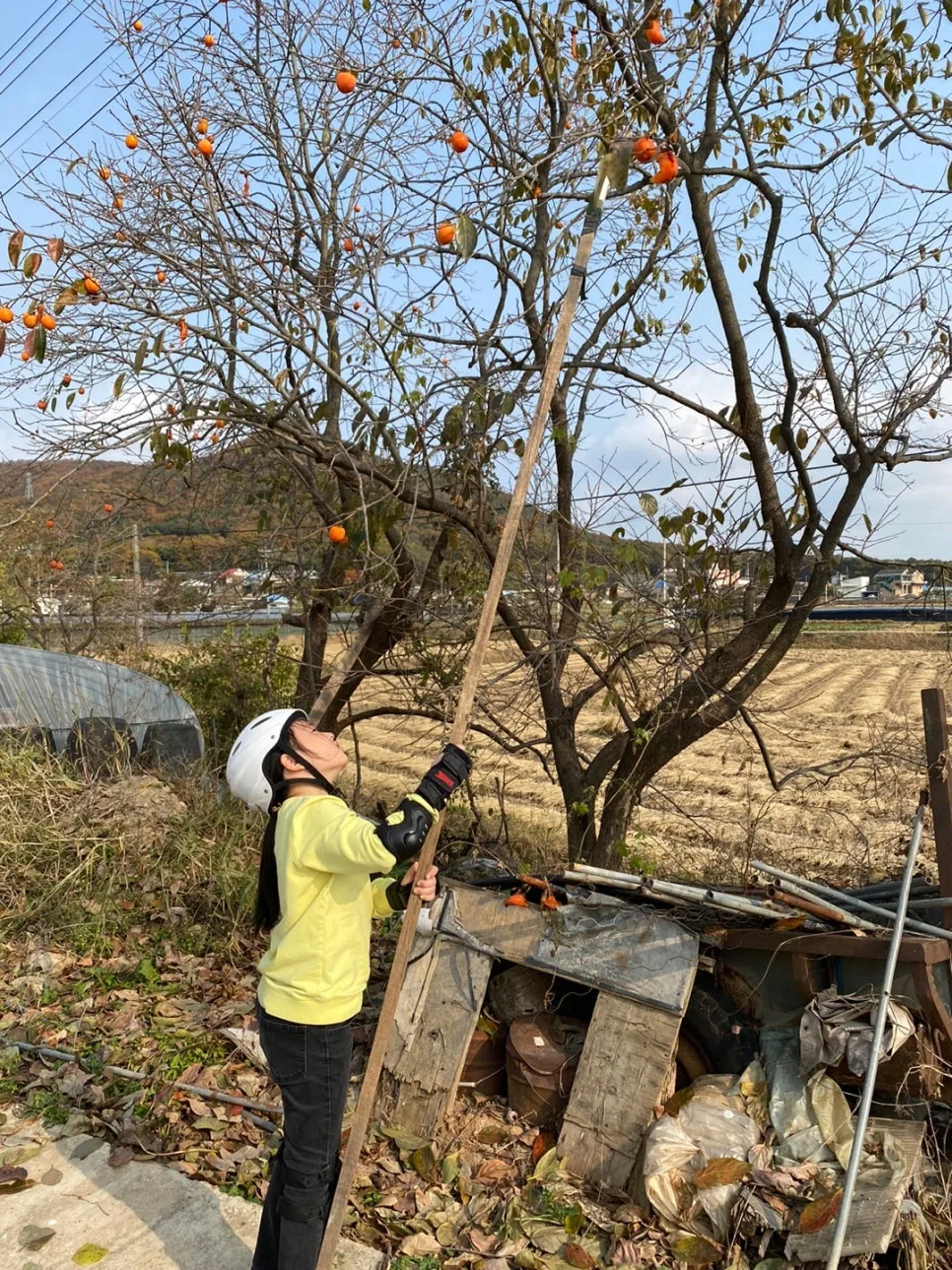
When you need to express taking on responsibility or a heavy load, the English phrase 'shoulder the burden' is your go-to. It’s not just about physical weight; it signifies accepting duties or challenges, often for family or work. For instance, saying 'My dad shoulders the burden for my family' in Korean context translates to '우리 아빠는 가족을 위해 부담을 떠맡고 있어,' highlighting the father's role as the primary provider and protector. This idiom is incredibly useful for describing the sacrifices and responsibilities people undertake in their personal and professional lives, resonating with the strong emphasis on family and community often seen in Korean culture.
How do you say 'Get the ball rolling' for new projects?
To kickstart a new venture or the initial phase of any activity, use the idiom 'get the ball rolling.' This phrase captures the essence of initiating action, much like starting a game. For example, asking 'When will you get the ball rolling?' is the English equivalent of asking '일 언제 시작할 거야?' in Korean, prompting someone to begin. It’s commonly used in business meetings, team projects, or any situation where a clear starting point is needed to build momentum. Many successful endeavors owe their existence to that crucial first step, making 'get the ball rolling' a vital phrase for anyone looking to initiate change or progress.
What's the difference between 'Moonlight' and 'Cold-call'?
'Moonlight' in a colloquial sense refers to holding a second job, often done discreetly to supplement income, especially for covering bills. An example would be, 'I have to moonlight in order to pay the bill,' which means '공과금을 내려면 부업해야 돼.' This highlights a common need for additional income in many economies. Conversely, 'Cold-call' describes the act of making unsolicited sales calls or visits to potential customers without prior arrangement. The sentence 'I'm cold-called by someone every week' translates to '나는 매주 판촉 전화를 받아,' illustrating the experience of receiving unexpected sales pitches. While both relate to economic activities, 'moonlight' is about personal side hustles, whereas 'cold-call' is about external sales outreach.
When is 'Gut punch' used to describe a shock?
Beyond its literal meaning of a blow to the abdomen, 'gut punch' is powerfully used metaphorically to describe a strong emotional shock or a deeply upsetting piece of news. If someone says, 'It was a gut punch to hear the news,' they mean '그 소식은 복부 강타, 즉 큰 충격이었어.' This phrase effectively conveys the intense, visceral reaction to unexpected and negative events. It’s a vivid way to express how devastating certain announcements or situations can be, leaving a lasting impact similar to a physical blow. Understanding this nuance is key to grasping the emotional weight conveyed by this common English idiom.
How do you use 'Whenever you are ready' politely?
To signal that you're waiting for someone to be prepared without applying pressure, use the phrase 'Whenever you are ready.' This shows respect for their pace and ensures they feel comfortable proceeding. A common application is, 'Let me know whenever you are ready,' which translates to '준비되면 알려주세요.' This is particularly useful in professional settings, like starting a meeting, or in social situations, such as before a meal. It’s a polite way to manage timing and coordinate actions, ensuring everyone is on the same page and ready to move forward together.
What does 'Poke fun' mean in English?
The expression 'poke fun' is used when someone is teasing or making lighthearted jokes at another person's expense. It can range from gentle banter to more pointed mockery. For instance, 'They poke fun at the kid' means '그들은 그 아이를 놀려.' This often happens in social groups and can sometimes blur the line between playful teasing and bullying, so context is crucial. Understanding this phrase helps in recognizing social dynamics and the nuances of humor and ridicule in English conversations.
English crawl path
Next English reads from this pilot cluster
Continue through the category hub, latest English stories, and related posts so this translated article is not an isolated URL.
Tags
💬Frequently Asked Questions
What should I check first in Learn Korean: 7 Essential Phrases for 2026?
Does this Language Learning article link back to the Korean source?
Where can I find similar English stories?
English discovery path
Explore more English K-culture stories
Keep browsing the indexed English pilot cluster so Google and readers can move between this story, the category hub, and fresh discovery pages.
Original Source
Read the Korean original





