For Americans looking to learn Korean for business or personal growth, focusing on conversational skills and understanding cultural nuances is key. The Korean language offers a rich learning path, starting with mastering Hangul (the Korean alphabet) in about a week, followed by basic phrases within a month, and achieving conversational fluency within 6-12 months. Resources like Talk To Me In Korean (TTMIK), Duolingo, and Anki flashcards provide accessible, often free, ways to begin your journey, especially when motivated by K-dramas or K-pop.
Why Learn Korean for Your Business in 2026?
Starting an online business after a long career can be incredibly rewarding, but reaching a global audience presents unique challenges. For many entrepreneurs, especially those venturing into e-commerce, the ability to communicate effectively in Korean can unlock significant growth opportunities. Imagine directly engaging with potential customers from Korea, understanding their needs, and building trust without language barriers. This was the realization I came to after launching my own online venture. While my business was gaining traction, I found myself struggling to respond to inquiries from Korean customers, a crucial missed opportunity. This experience highlighted the urgent need for dedicated Korean language training, specifically focused on business communication, to truly compete on a global scale and expand my customer base.
How to Assess Your Korean Language Skills Accurately
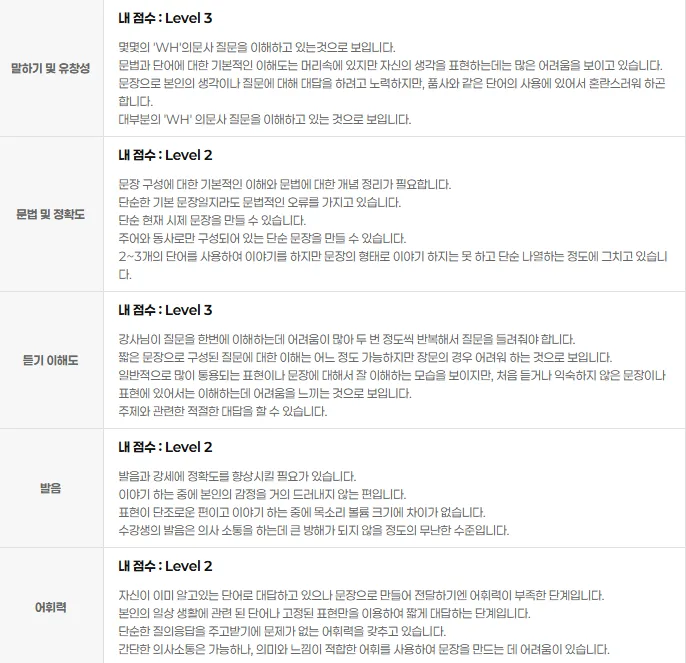
Before diving into language lessons, it’s crucial to understand your current proficiency. Instead of a vague self-assessment, opt for a data-driven approach. Many language learning centers offer detailed diagnostic tests that evaluate speaking, grammar, listening comprehension, vocabulary, and pronunciation. This was a game-changer for me. Receiving a comprehensive report, similar to a fitness tracker for your language skills, pinpointed my exact weaknesses, such as pronunciation and specific vocabulary gaps. This objective feedback allowed me to create a targeted learning plan, focusing my efforts where they would be most effective. This analytical approach not only accelerated my learning but also provided a clear roadmap for improvement, boosting my confidence and motivation significantly.
Mastering Korean Speaking: The Power of 1:1 Feedback
The journey to fluency is often paved with repeated mistakes. However, consistent, personalized feedback can transform these stumbles into stepping stones. In my 1:1 Korean lessons, my instructor didn't just correct my errors; they helped me refine my sentences to sound more natural and culturally appropriate for business interactions. Each session concluded with a summary of key phrases, corrected sentences, and clear objectives for the next lesson. This structured approach ensured that I wasn't just learning words, but actively integrating them into my speaking repertoire. This continuous cycle of practice, feedback, and review is essential for building lasting language skills and confidence, especially when aiming for professional communication.
Building a Consistent Korean Study Routine Amidst Business Demands
Balancing a new business with language learning can feel overwhelming, especially when unexpected issues disrupt your schedule. Fortunately, effective learning platforms provide tools to maintain momentum. For instance, receiving immediate, detailed feedback via messaging apps after each lesson, complete with key expressions and review points, makes it easy to stay on track. This system acts as a personal study planner, ensuring that learning doesn't stop when the class ends. By dedicating even short, focused periods to reviewing these notes and practicing aloud, I found I could solidify my learning and adapt to my busy schedule. This consistent reinforcement is vital for long-term progress and makes the Korean language feel accessible, even for busy entrepreneurs.
Transforming Your Business with Korean Communication Skills
Within just a few weeks of dedicated study, the change was remarkable. What once felt like an insurmountable barrier—communicating with international clients—became a source of confidence and a powerful business asset. I could now confidently explain my products in detail and handle customer inquiries with ease. This feedback report wasn't just a record of progress; it was tangible proof of my growth. Learning Korean transformed from a daunting task into a strategic advantage for my business. It opened doors to new markets and fostered stronger relationships with a wider customer base. If you're an entrepreneur aiming for global reach, investing in Korean language skills, particularly spoken fluency, is a highly recommended strategy for success in 2026 and beyond.
For more details, check the original source below.