
Many learners wonder about the most effective ways to learn Korean, especially when incorporating cultural insights. This guide cuts through the noise, offering practical strategies for boosting your Korean language skills in August 2026, alongside a deep dive into the origins and customs of key Korean traditional holidays like Chilseok and Chuseok.
What are the best Korean learning strategies for August 2026?
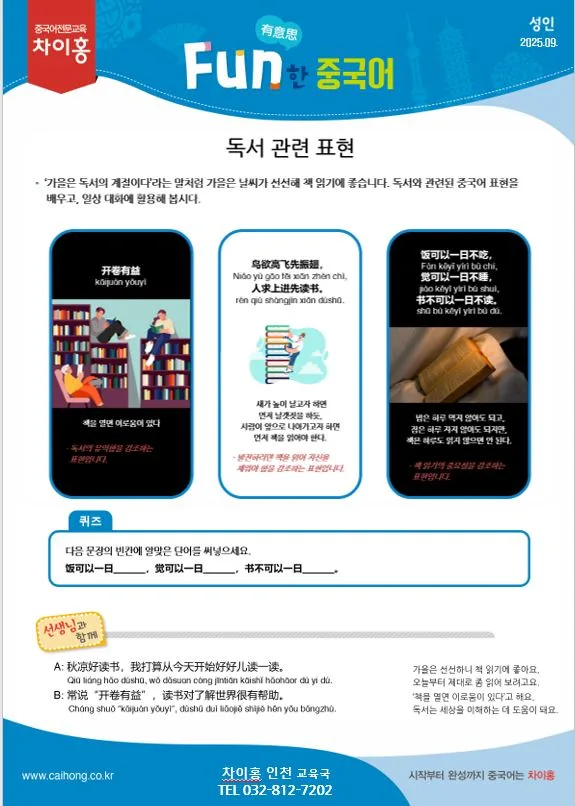
August is an ideal time to focus on language learning, whether you're preparing for the new academic year or winding down from summer. The Korean language offers a wealth of engaging content to make your learning journey fun and effective. For adult learners, expanding vocabulary by focusing on Chinese expressions related to reading and literature can be highly beneficial. High school and college students can boost their motivation by learning encouraging phrases for the upcoming semester. Younger learners, like elementary school students, can practice useful conversational phrases for situations like visiting a library, while preschoolers can develop a natural interest in the language by learning to express the joy of reading in Korean. Tailoring your approach to your age group not only enhances your understanding but also significantly boosts your motivation.
What are the origins and customs of Korean traditional holidays like Chilseok and Chuseok?
Korean holidays are rich with history and cultural significance, offering a fantastic window into the nation's heritage. Chilseok, celebrated on the seventh day of the seventh lunar month, is based on the romantic legend of Gyeonwu (the Cowherd) and Jiknyeo (the Weaver Girl), who are only allowed to meet once a year. It's often referred to as the 'Korean Valentine's Day,' where couples express their affection. Chuseok, falling on the 15th day of the eighth lunar month, is one of Korea's most important traditional holidays, also known as 'Hangawi' or the 'Harvest Moon Festival.' It's a time for families to reunite, honor ancestors with memorial rites (charye), and share gratitude for the abundant harvest. Traditional activities include moon gazing and enjoying delicious songpyeon (rice cakes).
How can I learn traditional Korean holiday expressions effectively?
Learning expressions related to traditional Korean holidays provides a unique cultural context that deepens your understanding of the language. For instance, understanding terms related to Chuseok, like 'songpyeon' (rice cakes) or 'charye' (ancestral rites), allows for more meaningful conversations during this period. Similarly, phrases associated with Chilseok can help you engage with cultural discussions about love and romance. These expressions not only enrich your vocabulary but also offer insights into Korean values, such as family, respect for elders, and gratitude for nature. Mastering these holiday-specific phrases can significantly enhance your ability to communicate authentically with native speakers and impress them with your cultural knowledge.
What are the benefits of learning traditional holiday expressions in Korean?
Integrating the study of traditional Korean holiday expressions into your learning routine offers substantial benefits. It significantly enhances your understanding of Korean culture, moving beyond simple vocabulary acquisition to grasp the historical and social contexts behind celebrations. This cultural fluency enables richer, more nuanced communication with native Korean speakers, fostering stronger connections. Furthermore, many of these expressions and cultural nuances are frequently tested in standardized exams like the TOPIK (Test of Proficiency in Korean). By learning these terms, you're not just broadening your linguistic horizons but also gaining a practical advantage for your language proficiency assessments, making your study more efficient and effective.
For more details, check the original source below.





