Learning English through the animated classic 'Beauty and the Beast' is highly effective for mastering real-life conversational phrases. The dialogues between Belle and the Beast offer excellent opportunities to learn emotional expressions and situational vocabulary. This guide provides specific methods to enhance your English speaking skills using key scenes and lines from the movie.
How to Improve English Speaking Skills with 'Beauty and the Beast'?
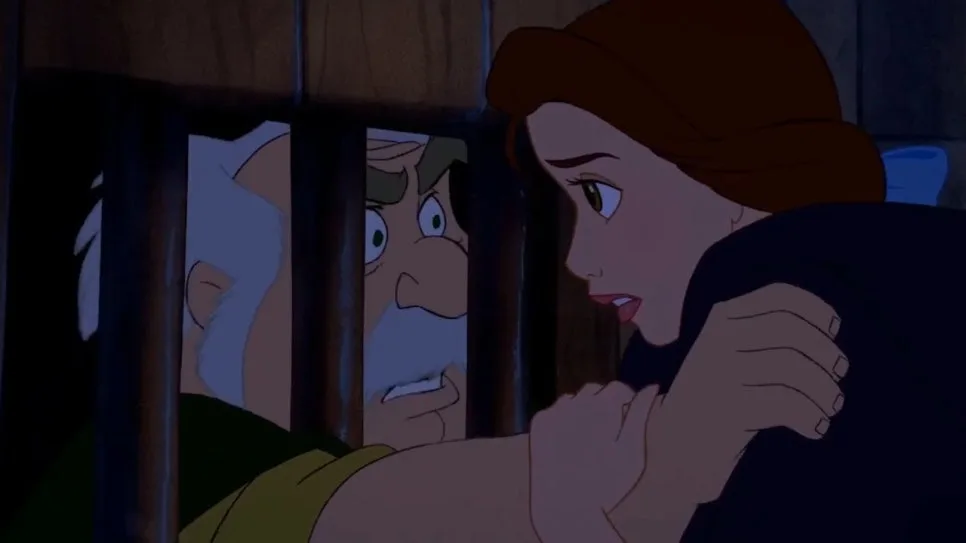
The animated film 'Beauty and the Beast' is a fantastic resource for English language learners due to its rich emotional depth and diverse scenarios. For instance, the scene where Belle negotiates with the Beast to free her father provides practical examples of English used in high-stakes situations. Phrases like 'I'll do anything' can be used to convey earnestness when making a deal. Similarly, Belle's line, 'Take me instead,' powerfully expresses self-sacrifice to resolve a problem. Repeating these lines, mimicking the intonation, and practicing them aloud can significantly boost your confidence and fluency in real conversations. This method helps you internalize pronunciation, rhythm, and context-appropriate language use.
What to Watch Out For When Learning English with 'Beauty and the Beast' Dialogues?
When using 'Beauty and the Beast' for English study, it's crucial to go beyond simple memorization. Understanding the context and nuances of each line is key. For example, Belle's promise to the Beast, 'You have my word,' is a powerful expression of trust and commitment. Grasping the situation—who is speaking to whom and why—enhances learning effectiveness. Additionally, recognize that some dialogue might be more literary or exaggerated due to the animated format and may not translate directly to everyday conversation. Learners should develop the ability to discern which phrases are practical for daily use and which are specific to the film's narrative. For instance, the Beast's statement, 'The castle is your home now,' carries a specific context within the story that might require adaptation for real-world application.
What Expressions Should You Focus on When Learning English Through Animation?
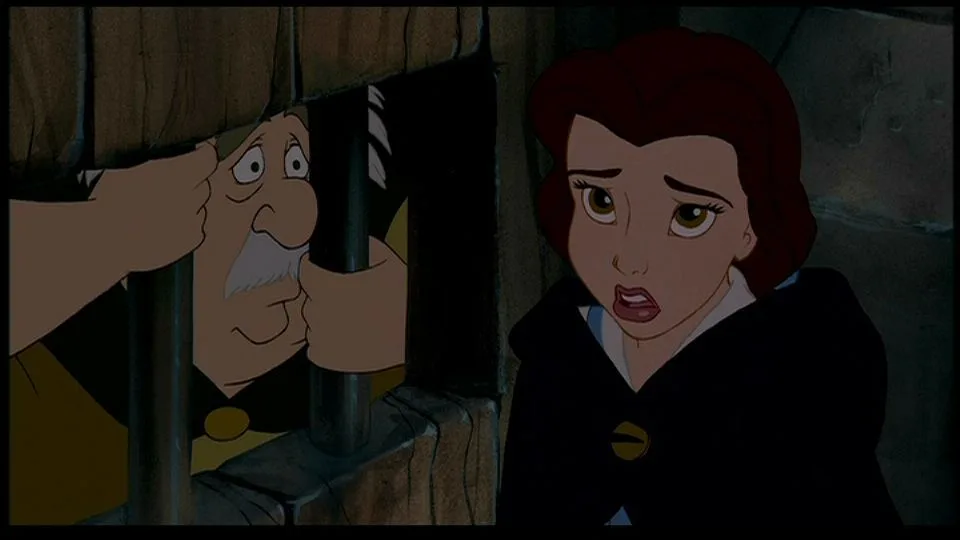
When learning English with 'Beauty and the Beast,' focus on specific types of expressions that are highly applicable to real conversations. Firstly, pay attention to vocabulary and phrases used for conveying emotions. Lines like Belle's 'What happened?' when she's worried, or the Beast's dialogue revealing his complex feelings, are excellent for improving emotional expression. Secondly, practice phrases related to making requests, suggestions, and commands. Belle's plea, 'Please let him out,' and the Beast's directive, 'You'll join me for dinner,' clearly illustrate different forms of communication. Learning these helps you understand how to appropriately address others based on relationships and situations. Finally, explore expressions related to curiosity about forbidden things or warnings. The Beast's line, 'What's in the west? It's forbidden,' sparks curiosity while issuing a caution, adding an interesting layer to language learning.
What Are Common Mistakes When Learning English with 'Beauty and the Beast'?
A frequent error when studying English with 'Beauty and the Beast' is mechanically repeating lines without understanding the underlying emotions or context. For example, simply saying Belle's despairing line, 'I'll never see him again,' without grasping the profound sense of loss it conveys, limits its learning value. It's essential to internalize the emotional weight behind the words. Another common mistake is applying the film's often exaggerated or unrealistic dialogue directly to everyday conversations. The Beast's line, 'You didn't even let me say goodbye,' while dramatic in the film, might sound unnatural in a typical daily exchange. Therefore, learners must critically analyze the movie's context and select expressions that are genuinely applicable to real-life situations. Experts suggest this discerning approach leads to more effective language acquisition.
Discover more animation-based English learning methods in the original article.





