Many Korean learners get tripped up by a common nuance: the different ways to express numbers depending on the context. This is especially true for time units like months ('gyeol' vs 'dal') and age ('se' vs 'sal'). Mastering these distinctions will significantly elevate your Korean fluency and understanding of native speech patterns.
What Are the Basic Rules for Sino-Korean vs. Native Korean Numbers?
Korean uses two primary number systems: Sino-Korean numbers, derived from Chinese characters, and Native Korean numbers, which are purely Korean. The fundamental rule is to use Sino-Korean numbers before words of Chinese origin and Native Korean numbers before words of Korean origin. For instance, 'January' is 'ilwol' (일월), using Sino-Korean numbers, while 'one month' is 'han dal' (한 달), using Native Korean numbers. This principle applies to various contexts like dates, floor numbers, and school years. However, there are exceptions, and the choice can depend on the specific word and nuance. For example, '5th floor' is 'ocheung' (오층), using Sino-Korean numbers, while '5th class' is 'oban' (오반), also using Sino-Korean numbers. Recognizing these patterns and learning through real-world examples is key.
Generally, Sino-Korean numbers are favored in formal documents and official settings, while Native Korean numbers are more common in everyday conversation and spoken language. For example, official reports might state '10 years old' as 'sipse' (10세), but in a casual chat with friends, 'yeol sal' (열 살) is more natural. Understanding these distinctions helps grasp the subtle nuances of the Korean language.
How Do You Specifically Differentiate Between 'Gyeol' and 'Dal' for Months?
'Gyeol' (개월, 月) is a Sino-Korean term, so it's used with Sino-Korean numbers. 'Dal' (달) is a Native Korean term, used with Native Korean numbers. For example, '1 month' is 'il gyeol' (1개월), read as 'il gyeol', but '1 month' is 'han dal' (1달), read as 'han dal'. '2 months' becomes 'i gyeol' (2개월) and 'du dal' (2달) respectively. This pattern continues up to 10 months: 'sip gyeol' (10개월) and 'yeol dal' (10달). While writing '1달' is grammatically correct, it's less common in everyday speech than using the Native Korean term 'han dal'. This is one of the most frequent points of confusion for Korean language learners. Often, 'gyeol' is used with Arabic numerals (e.g., 1개월), while 'dal' is paired with Native Korean numbers (e.g., 한 달).
While writing '1달' isn't grammatically incorrect, it's rarely used in practice; 'han dal' is the standard. The distinction between 'gyeol' and 'dal' can sometimes blur, with both terms being used interchangeably in certain contexts, both formal and informal. For instance, when discussing a duration of time, you might see or hear both used, though 'han dal' is generally preferred for everyday conversation.
What Are the Specific Differences Between 'Se' and 'Sal' for Age?
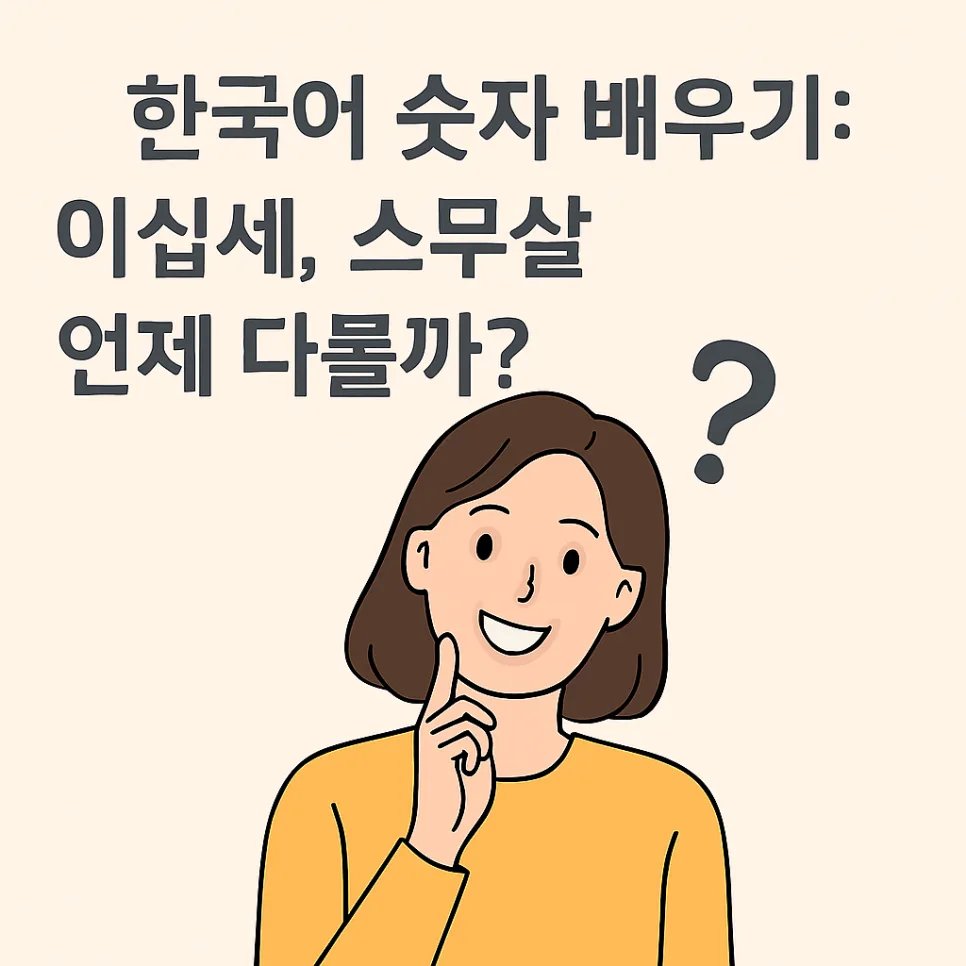
'Se' (세) is the Sino-Korean term for age and is typically used in official documents, legal contexts, and formal announcements, always preceded by a Sino-Korean number (e.g., '20 years old' is 'isip se', 20세). In contrast, 'Sal' (살) is the Native Korean term, used in everyday conversations and more casual settings, preceded by a Native Korean number (e.g., '20 years old' is 'seumul sal', 스무 살). This distinction is crucial for sounding natural. While song titles and informal chats lean towards 'sal', official contexts prefer 'se'. For example, a news report might state a person is '30se' (30세), but a friend would ask, 'Myeot salieyo?' (몇 살이에요? - How old are you?).
When speaking with friends or in relaxed situations, using 'sal' is natural (e.g., 'Jeoneun oreun 25 sarieyo' - 저는 올해 25살이에요, 'I am 25 this year'). However, in formal settings like job interviews or official meetings, 'se' is more appropriate (e.g., 'Jeoneun 25 seimnida' - 저는 25세입니다, 'I am 25 years old'). Official media also tends to use 'se' more frequently. This difference highlights the formality levels in Korean communication.
When Should You Use Sino-Korean Numbers versus Native Korean Numbers?
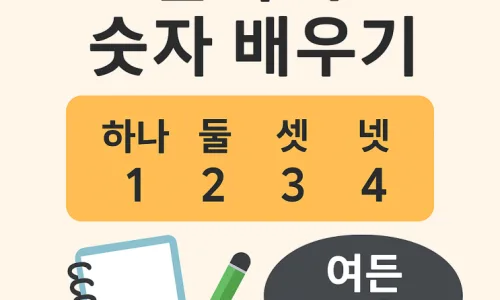
The core principle is context. Sino-Korean numbers (il, i, sam, sa...) are used for dates (1월 - ilwol, January), minutes (10분 - sip bun, 10 minutes), seconds, phone numbers, and currency (10,000원 - man won, $7-8). They are generally used in more formal or technical contexts. Native Korean numbers (hana, dul, set, net...) are used for counting items in everyday situations, age (한 살 - han sal, one year old), hours (1시 - han si, 1 o'clock - note: 'si' uses Native Korean for hours but Sino-Korean for minutes), and general counting (하나, 둘, 셋 - hana, dul, set). They are prevalent in spoken language and informal settings. For example, you'd say 'du si' (두 시, 2 o'clock) but 'isip bun' (20분, 20 minutes).
Understanding this dual system is fundamental for accurate Korean expression. While many resources like Talk To Me In Korean (TTMIK) and Duolingo cover these basics, consistent practice with native materials like K-dramas and K-pop lyrics will solidify your understanding. For serious learners aiming for proficiency, preparing for the TOPIK (Test of Proficiency in Korean) exam will also require a firm grasp of both number systems and their appropriate usage.
For more details, check the original source below.





