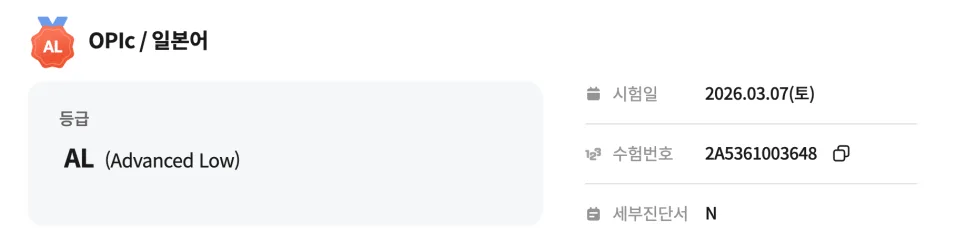
Aiming for the Japanese OPIC AL (Advanced Low) level in 2026? Mastering this English proficiency test for Japanese speakers requires a strategic approach. This guide breaks down effective study methods, survey topic selection, and crucial test-taking tips specifically tailored for the Japanese OPIC, offering insights often missed in general language learning resources.
What's the Best Study Method for Japanese OPIC AL?
To achieve the Japanese OPIC AL level, leveraging mock tests is key. A highly effective strategy involves using English OPIC mock exams: listen to the questions in English, but practice answering them in Japanese. While this means you won't hear the questions directly in Japanese, it intensely builds your ability to understand English prompts and respond fluently in Japanese under pressure. This mirrors real-world scenarios where you might need to process information in one language and communicate in another. Additionally, pre-learning vocabulary related to your chosen survey topics can significantly boost comprehension and confidence. I personally prepared intensely for about a week before the exam, drawing on my JLPT N2 level Japanese and prior experience learning through anime. Although I didn't complete many mock tests due to time constraints, consistent vocabulary study and the habit of listening to questions twice were instrumental in achieving the AL score. If you have more time, completing as many mock tests as possible is highly recommended.
How to Choose and Prepare for Japanese OPIC Survey Topics?
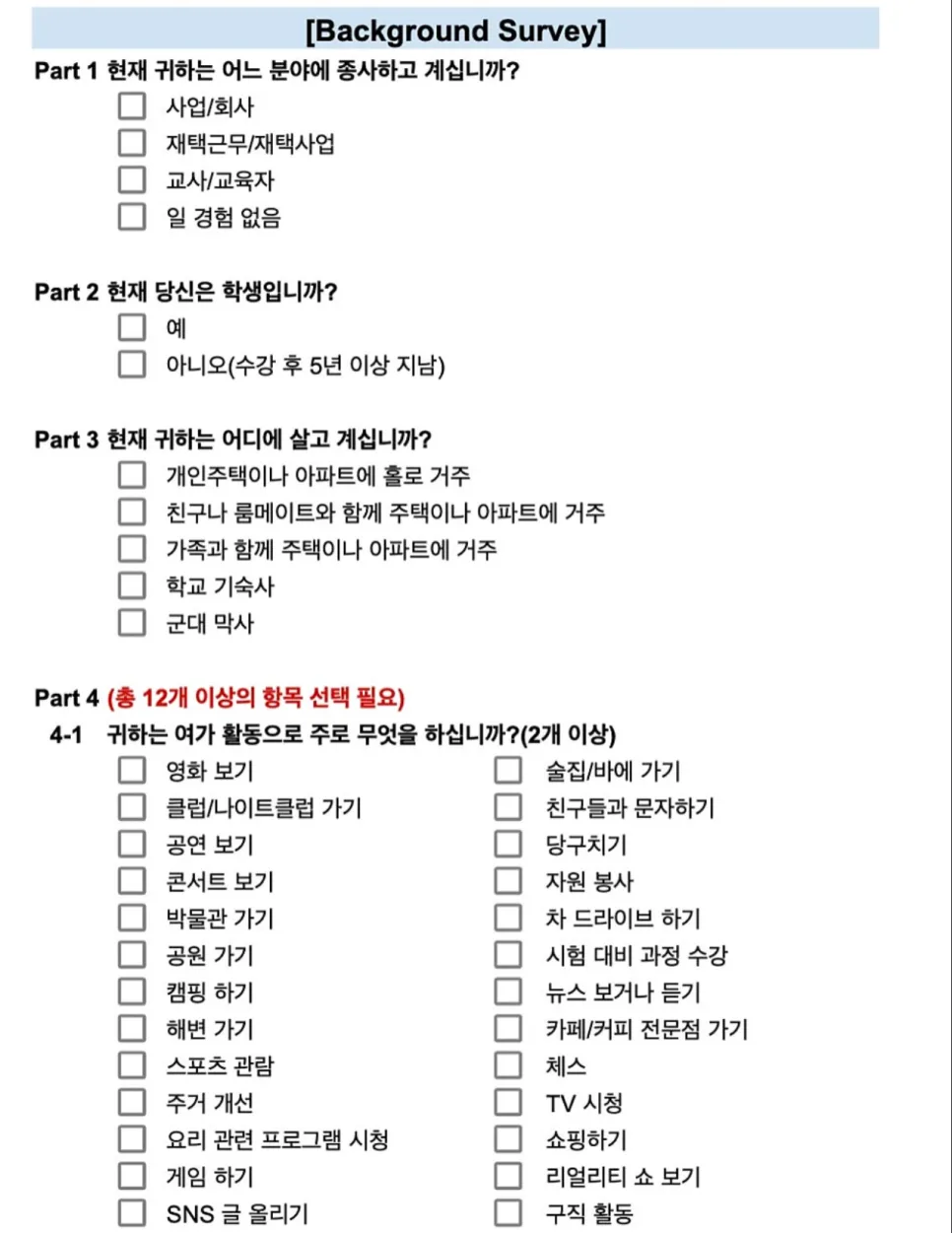
The survey section of the Japanese OPIC is critical, as your topic choices directly impact the difficulty of your responses. Based on my experience, selecting topics where you have limited experience or that are more than five years in the past can be advantageous. For instance, choosing 'No work experience' can reduce pressure. Opting for everyday activities like 'Watching movies,' 'Cooking,' 'Going to cafes,' or 'Shopping' is also recommended. These subjects allow you to draw from personal experiences and construct natural-sounding answers. Pre-learning Japanese vocabulary associated with your chosen topics and practicing their pronunciation will help you feel more confident and less flustered when the questions are posed. Remember, the habit of listening to questions twice is vital for gathering your thoughts and formulating a coherent response.
What Are the Best Tips for Using Fillers and Tone in the Japanese OPIC Exam?
Demonstrating natural fluency is paramount in the Japanese OPIC. Incorporating fillers like 'ええと (eeto)' or 'あの (ano)' appropriately can significantly enhance your responses. These fillers not only provide a brief pause to organize your thoughts but also make your speech sound more natural and less robotic. They are particularly useful when faced with unexpected or challenging questions, allowing you to gain valuable thinking time. A versatile phrase to memorize is, 'え〜、それはね〜、なかなか難しい質問だと思いますが〜 (E~ sore wa ne~, nakana ka muzukashii shitsumon da to omoimasu ga~)', which translates to 'Well, that question is quite difficult, I think, but...'. This can help you navigate tricky situations calmly. Maintaining the correct tone is also crucial. For survey questions, using polite language with soft endings like '~ですね (~desu ne)' or '~と思います (~to omoimasu)' is advisable. In role-playing scenarios, adopting a more casual, friendly tone, perhaps even using informal speech or a modern, youthful style, can add to the naturalness of your conversation.
What Are Common Mistakes to Avoid in the Japanese OPIC Exam?
A frequent pitfall in the Japanese OPIC is answering immediately after hearing the question only once. Listening to the question twice is essential for securing thinking time and accurately grasping the question's intent. Utilizing the replay button right after the question finishes doesn't impact your speaking time, so making this a habit is highly beneficial. Another mistake is either avoiding fillers altogether or relying solely on perfectly memorized, rigid sentences. Japanese communication often benefits from subtle pauses and natural interjections; fillers help create a conversational flow. Overly rehearsed answers can sound unnatural. Lastly, using an inappropriate tone can create a poor impression. For example, using stiff, formal language with a friend or overly casual, informal speech in a more official context is not ideal. Paying attention to these nuances can effectively showcase your real conversational abilities.
English crawl path
Next English reads from this pilot cluster
Continue through the category hub, latest English stories, and related posts so this translated article is not an isolated URL.
Tags
💬Frequently Asked Questions
What should I check first in How to Ace the Japanese OPIC AL Exam in 2026?
Does this Language Learning article link back to the Korean source?
Where can I find similar English stories?
English discovery path
Explore more English K-culture stories
Keep browsing the indexed English pilot cluster so Google and readers can move between this story, the category hub, and fresh discovery pages.
Original Source
Read the Korean original





