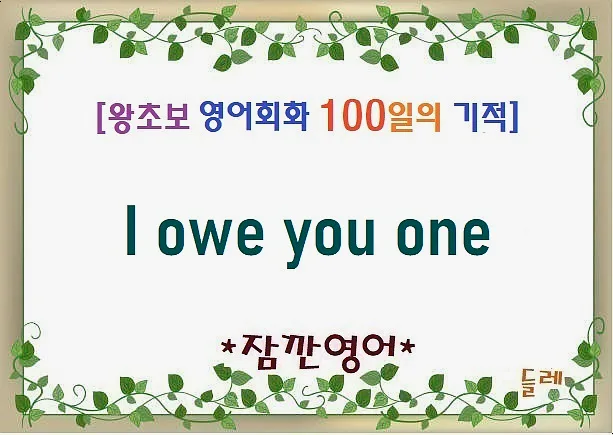
The most common and friendly way to express gratitude in English is 'I owe you one,' used when someone does you a small favor, meaning 'I'll repay you next time.' In my experience, this phrase is perfect for expressing thanks for minor acts of kindness rather than significant debts. For instance, it's ideal when a friend buys you lunch or a colleague helps with an urgent task.
When Should You Use 'I Owe You One'?
This expression is primarily used in informal settings to convey casual thanks. When you say 'I owe you one' to a friend, colleague, or acquaintance who has helped you, they understand that you remember their kindness and intend to reciprocate. This can strengthen your bond. I remember when friends helped me move; saying 'I owe you guys one!' conveyed my sincere appreciation and fostered a deeper connection than a simple 'thank you.'
This phrase effectively communicates gratitude without making the other person feel obligated. For example, you can use it when someone briefly holds your heavy bag or gives you directions. The key is understanding that 'one' refers to 'one favor' or 'one instance of indebtedness,' not a specific monetary amount. Therefore, it's more suited for favors within personal relationships than for financial transactions.
What Are Similar English Expressions to 'I Owe You One'?
There are other expressions you can use in similar contexts. If someone buys you a drink, you can say, 'I owe you a drink,' which more specifically implies repaying with a drink. When asking how much someone owes you after a shared expense, you'd ask, 'What do I owe you?' This is typically used in financial contexts, like splitting a restaurant bill or settling up after a group outing. Using these varied expressions appropriately allows for more natural communication.
Pronunciation and Real-Life Examples of 'I Owe You One'
The natural pronunciation of 'I owe you one' emphasizes 'owe' and 'one,' sounding like 'I-OH-you-WUN.' It's important to link the words smoothly. Let's look at a few examples: First, if a friend helped you move, you could say, 'You helped me move today. I owe you one!' Second, if a colleague paid for your lunch, you might say, 'You bought me lunch today. I owe you one!' Third, for a colleague who helped finish a project, you could say, 'You helped me finish the project. I owe you a beer!' These examples illustrate the versatility and usefulness of 'I owe you one.'
What Should You Be Cautious About When Using 'I Owe You One'?
While 'I owe you one' is a friendly and casual expression, there are a few points to keep in mind. Firstly, it's best to avoid using it in overly formal settings or professional business relationships. In such situations, more polite phrases like 'Thank you very much' or 'I appreciate your help' are more appropriate. Secondly, since 'one' doesn't denote a specific amount, avoid using this phrase for significant financial debts or large favors, as it could lead to misunderstandings. For substantial debts, it's clearer to say something like 'I owe you a lot' or 'I'll pay you back as soon as possible.' Being mindful of these nuances will help you use 'I owe you one' more effectively.
Discover more English expressions and how to use them.